
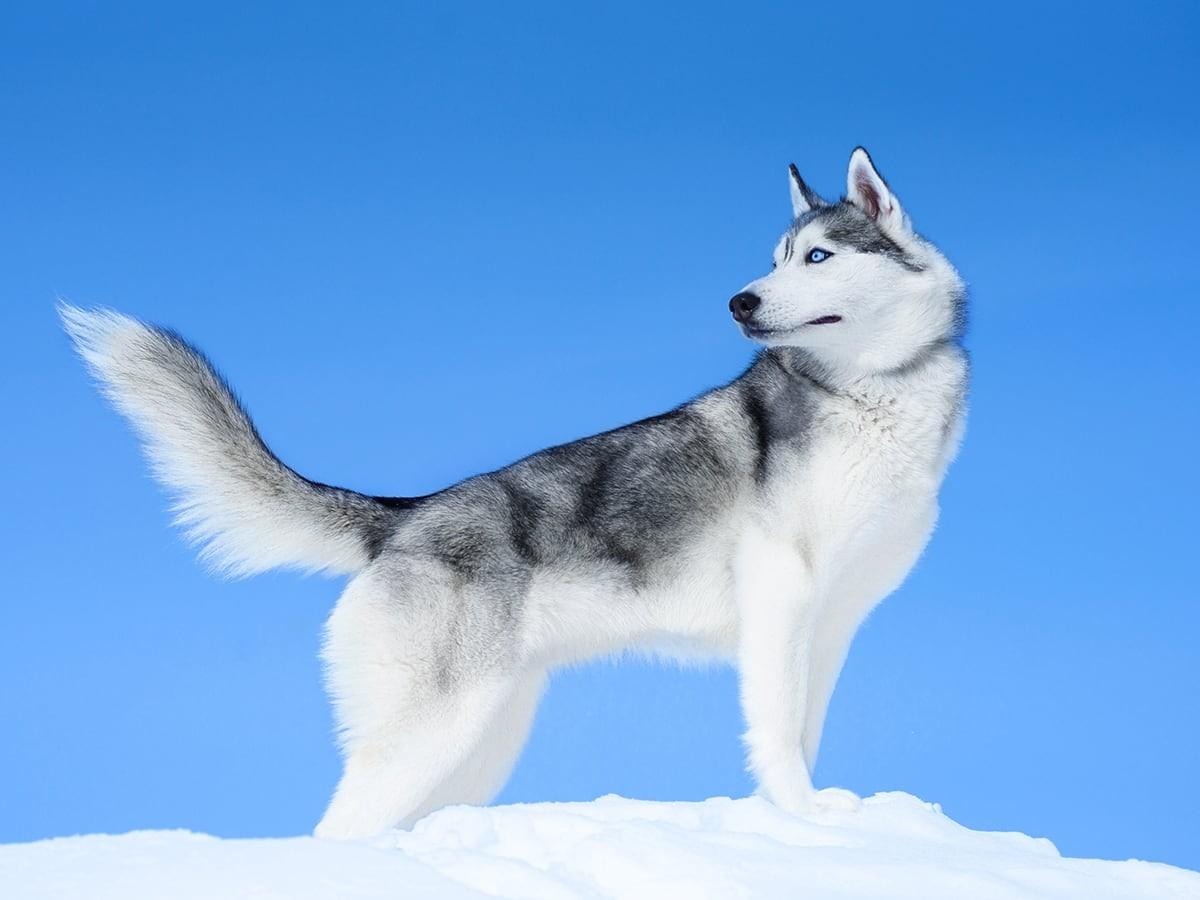
Is a Siberian Husky Right for Your Lifestyle?
Before focusing on price, it’s important to understand what daily life with a Siberian Husky actually looks like. Originally bred by the Chukchi people of northeastern Asia, Siberian Huskies were developed to haul light loads across icy terrain in extreme Arctic conditions. That working history still shapes the breed today.
A Siberian Husky is best suited for highly active pet parents who enjoy spending significant time outdoors. These dogs are intelligent, adventurous, and energetic. They typically need at least one to two hours of vigorous exercise every day. Long walks, running, and structured play are not optional extras — they are necessary for maintaining both physical and mental balance.
Huskies are generally friendly, loyal, and playful, which makes them appealing to families. They are often gentle with children and usually get along well with other dogs. However, their independence and strong will can be mistaken for stubbornness. Training requires patience, confidence, and consistent positive reinforcement, especially during puppyhood.
Those who prefer a quiet, low-energy companion or who are away from home for long hours should think carefully before choosing this breed. Without adequate exercise and stimulation, Huskies may become destructive or attempt to escape. Their resilience, strength, and drive — traits that once made them exceptional sled dogs — require responsible management in a modern home.
Emotionally, living with a Husky can be deeply rewarding. Practically, it requires structure, space, and daily commitment.
What Is the Average Cost of a Siberian Husky in 2025?
Most Siberian Husky puppies purchased from reputable breeders cost between $600 and $1,500, while adoption through a shelter or rescue typically ranges from $150 to $500.
Why Siberian Husky Prices Vary
The cost of a Siberian Husky is influenced by more than just supply and demand.
Lineage and breeder reputation play a significant role. Puppies from distinguished bloodlines or those bred for show-quality traits typically command higher prices.
Coat color and appearance can also affect cost. Certain rare coat colors, such as pure white, are less common and may increase the price due to their distinctive appearance.
Geographic location impacts pricing. Urban areas and regions with higher demand may see increased breeder prices compared to other parts of the country.
Lifestyle fit and energy level influence long-term expenses. Siberian Huskies are medium-sized dogs, typically weighing between 35 and 60 pounds, but their exercise needs are far above average. Pet parents must plan for regular activity, training, and engagement.
Health tendencies also contribute to overall financial planning. Huskies are prone to certain eye conditions, making regular veterinary checkups especially important. Ultimately, the upfront cost is just one part of a broader ownership decision.
Monthly Cost of Owning a Siberian Husky
The long-term affordability of a Husky depends less on the purchase price and more on consistent monthly care. Because Huskies are active dogs with strong metabolisms, feeding a balanced, nutritious diet is essential to maintain their energy and overall health. Food quality and individual dietary needs will influence ongoing spending.
Grooming is another important factor. Siberian Huskies have a dense double coat that sheds heavily, particularly during seasonal shedding periods twice a year. Regular brushing helps manage shedding and maintain coat health. Some pet parents opt for professional grooming sessions depending on their location and needs.
Routine veterinary care typically includes regular check-ups, vaccinations, and preventive medications for fleas, ticks, and heartworms. Establishing a steady care routine helps avoid preventable complications later. Owning a Husky is less about occasional spending and more about maintaining consistent, structured care month after month.
Siberian Husky Health: Prevention First, Costs Second
Proactive care plays a critical role in managing long-term expenses. Regular veterinary visits are especially important for monitoring eye health, as Siberian Huskies are prone to certain eye conditions. Early detection and preventive care can help reduce the severity of potential issues.
Routine healthcare expenses — including check-ups, vaccinations, and preventive medications — typically fall within a predictable range. However, if a Husky develops specific health issues or requires specialized care, costs can increase.
Vaccinations are a core part of preventive health, especially during the first year of life. Puppies typically require multiple sets in their first year to ensure protection against common diseases. By staying consistent with preventive care and monitoring, pet parents can better manage both health outcomes and financial impact.
One-Time Setup Costs for a Siberian Husky
Bringing a Siberian Husky home involves several initial purchases. Most pet parents prepare with a crate, leash, collar, bed, bowls, and toys. These foundational items support both safety and comfort during the transition period.
Microchipping is another important one-time expense that provides an added layer of security if a dog becomes lost. Initial vaccinations during puppyhood are also essential and occur over multiple visits in the first year. While these expenses are temporary, planning for them in advance helps create a smoother start to ownership.
Lifetime Cost of Owning a Siberian Husky
With a life expectancy of 12 to 14 years, the financial commitment to a Siberian Husky extends well beyond the initial purchase. Over the course of their lifetime, pet parents can expect to account for food, grooming, routine veterinary care, preventive medications, and occasional increases in medical spending as the dog ages.
The total cost will vary depending on early decisions such as breeder selection, quality of care, and consistency of preventive health routines. Understanding the long-term responsibility helps ensure that bringing home a Husky remains a sustainable and rewarding experience.
Siberian Husky Cost & Ownership FAQs
Are Siberian Huskies good family dogs?
Yes, Huskies are friendly, loyal, and playful. They are often gentle with children and typically get along well with other dogs. However, their high energy levels mean they require significant exercise and attention.
Is a Siberian Husky a good house dog?
They can be good house dogs for active pet parents who provide adequate exercise, training, and space. Without sufficient activity, their independence and energy can become difficult to manage indoors.
How much exercise does a Siberian Husky need?
Huskies generally require at least one to two hours of vigorous exercise daily. Without enough physical and mental stimulation, they may become destructive or attempt to escape.
Are Huskies hard to train?
They can be challenging due to their independent and strong-willed nature. Consistent, patient training using positive reinforcement is essential.
What surprises new Husky owners?
Many new pet parents underestimate how much daily exercise and mental engagement this breed requires. Their shedding cycles and independent temperament can also surprise first-time Husky parents.
Final Thoughts on Siberian Husky Ownership Costs
Owning a Siberian Husky can be deeply rewarding. Their striking appearance, adventurous personality, and friendly temperament make them unforgettable companions. At the same time, their energy levels, grooming needs, and preventive health care requirements make them a meaningful long-term commitment. For pet parents considering additional financial planning support, some explore options like pet insurance to help manage unexpected veterinary expenses related to accidents or illnesses. Being informed about both the emotional and financial realities of ownership helps ensure that a Siberian Husky is not just an exciting decision — but a sustainable one.



With 10 years of experience as a pet parent, I aim to empower pet owners with insights into pet insurance and maintaining their pet's well-being. I aspire to be a trusted source, combining knowledge with a commitment to the welfare of our beloved pets.