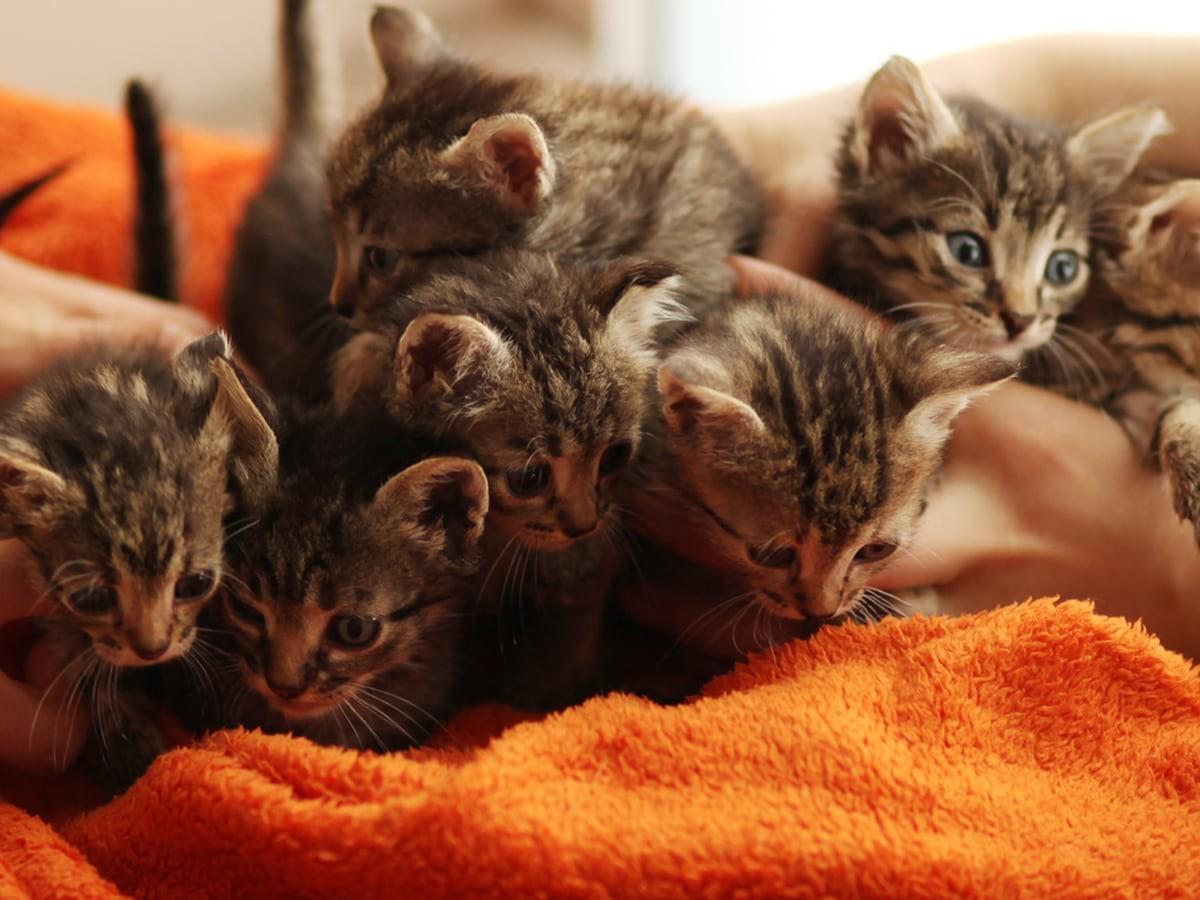
Before you adopt a cat, you'll need a few basics: a litter box, food and bowls, a scratching post, a carrier, toys, and a bed. You'll also want a quiet safe room ready and a vet lined up for a first visit. You'll be in good company. About 2.2 million cats were adopted from U.S. shelters and rescues in 2025,¹ and cat adoption rates held steady at 63% in 2025.²
Your Cat Adoption Checklist at a Glance
Use this quick list to stay on track from your first shelter visit to your cat's first weeks at home:
When | What to do |
|---|---|
Before you apply | Check your lease or HOA pet rules, and talk with everyone in your home |
Before you apply | Research shelters and rescues, and meet a few cats |
Before adoption day | Buy supplies and cat-proof your home |
Before adoption day | Set up a safe room with food, water, a litter box, and a bed |
Adoption day | Bring your cat home in a secure carrier |
First week or two | Schedule a vet visit and update the microchip registration |
First few months | Give your cat time, routine, and gentle introductions to other pets |
Are You Ready to Adopt a Cat?
Cats are independent, but they still need daily feeding, playtime, a clean litter box, and regular vet care. Cats can live for many years, so adopting one is a long-term commitment. Before you apply, think about your schedule, your budget, and whether your home has room for a litter box, a scratching post, and a cozy hiding spot.
It's also smart to plan for vet costs before you need them. The ASPCA suggests considering pet insurance before health issues arise, since many plans have a waiting period and don't cover pre-existing conditions.³
What Should You Ask the Shelter or Rescue?
Shelter staff know their cats well, so don't be shy about asking questions. Good ones to start with:
Is the cat spayed or neutered? If you're adopting a young kitten, learn more about spaying your cat.
Which vaccines has the cat had, and when are the next ones due?
Is the cat microchipped, and how do I transfer the registration?
Does the cat have any health issues or special needs?
How does the cat do with other cats, dogs, or children?
What food and litter is the cat using now?
Shelters often have adult and senior cats who are calm, litter-trained, and ready to settle in, so don't overlook older cats when you visit.
What to Buy for a New Cat
Here's what to have ready before your cat comes home:
Litter boxes and litter. The ASPCA's litter box guidance is one box for each cat, plus one extra.⁴ Ask the shelter which litter your cat is used to.
Food and bowls. Start with the food your cat ate at the shelter, then switch gradually if you want to change it. Keep fresh water available at all times.
A scratching post. Choose a sturdy one that's tall enough for a full stretch.
A carrier. A secure carrier keeps your cat safe on the ride home and to the vet.
Toys. Wand toys and balls are great for play. Put string-like toys away when you're not supervising.
A bed and a hiding spot. A covered bed or even a cardboard box helps a nervous cat feel safe.
Grooming tools. A brush and nail clippers make care easier.
A collar with an ID tag. This is a helpful backup to a microchip.
How Do You Cat-Proof Your Home?
Cats are curious climbers, so look at your home from their point of view:
Remove lilies. All parts of true lilies are toxic to cats, including the pollen and vase water, and eating them can cause kidney failure, according to Pet Poison Helpline.⁵
Secure cords and strings. Tuck away cords, blind pulls, hair ties, and rubber bands.
Check windows and doors. Make sure screens are secure, and watch for an escape attempt when doors open.
Lock up hazards. Store medications, cleaners, and human foods out of reach.
Block small spaces. Close off gaps behind appliances and under furniture where a scared cat might hide.
Then set up a safe room, like a spare bedroom or bathroom, with food, water, a litter box, a bed, and a scratching post. Keep the food and water away from the litter box.
What Should You Expect in the First Few Weeks?
Every cat adjusts on their own timeline. The ASPCA's 3-3-3 guideline gives a rough idea of what to expect with a newly adopted pet:³
First 3 days: Your cat may feel nervous and hide. Let them come to you.
Next 3 weeks: Your cat starts to decompress and settle into a routine.
First 3 months: Trust grows, and your cat's true personality starts to shine.
Schedule a vet visit within the first week or two. Kittens usually get their first vaccines between 6 and 8 weeks of age, with boosters every 3 to 4 weeks until 16 to 20 weeks, according to VCA Animal Hospitals.⁶ Your vet can also check whether an adult cat is due for vaccines.
Don't skip the microchip paperwork. In 2025, only 3% of cats taken in by shelters were returned to their families.² A registered chip with your current contact information gives a lost cat a better chance of coming home. Learn more about microchipping your pet.
Frequently Asked Questions
What is the 3-3-3 rule for cat adoption?
The 3-3-3 rule is a loose guide for newly adopted pets. It suggests your cat may need about 3 days to decompress, 3 weeks to settle into a routine, and 3 months to feel fully at home. Every cat is different, so yours may adjust faster or take longer. Patience, a quiet space, and a steady routine help most.
Should I adopt a kitten or an adult cat?
It depends on your lifestyle. Kittens are playful and fun, but they need lots of supervision, training, and vet visits in their first year. Adult and senior cats are often calmer, already litter-trained, and their personalities are easier to read. If you work long hours or want a mellow companion, an adult cat may be a great fit.
Where should my new cat sleep on the first night?
Let your cat sleep in their safe room, with a cozy bed, a hiding spot, food, water, and a litter box nearby. A quiet, enclosed space helps them feel secure. Don't worry if they hide at first, since hiding is a normal way for cats to cope with change. Once they seem relaxed, you can slowly open up more of your home.
How do I introduce my new cat to my other pets?
Go slowly. Keep your new cat in their safe room at first, and let your pets get used to each other's scent by swapping bedding. Next, let them see each other through a baby gate or cracked door. When both seem calm, try short, supervised visits. Some cats become friends in days, while others need weeks or months.
Every pet's needs are different, which is why flexibility matters when choosing coverage. Whether you have a playful puppy, a senior cat, or multiple pets at home, pet insurance can help you feel more prepared for the unexpected.
Spot Pet Insurance covers pets starting at 8 weeks old with no upper age limit and offers plans in all 50 states, helping make coverage more accessible for pet families. Enroll your pet today.

I’m Charlie: canine enthusiast with a knack for figuring out why my dog, Dallas, is more infatuated with tennis balls than me. My lifelong passion for dogs has created a dedication to help other pet parents better understands their furry family members!
ASPCA. "U.S. Animal Shelter Statistics" (2025 Animal Shelter Statistics). ASPCA, 2026. https://www.aspca.org/helping-shelters-people-pets/us-animal-shelter-statistics
Shelter Animals Count. "2025 Annual Report." Shelter Animals Count, updated April 2026. https://www.shelteranimalscount.org/2025-report
ASPCA. "Navigating Adoption: Finding and Welcoming Home Your Pet." ASPCA, 2026. https://www.aspca.org/adopt-pet/adoption-tips
ASPCA. "Litter Box Problems." ASPCA, 2026. https://www.aspca.org/pet-care/cat-care/common-cat-behavior-issues/litter-box-problems
Pet Poison Helpline. "Lilies." Pet Poison Helpline, updated May 2026. https://www.petpoisonhelpline.com/poison/lilies/
VCA Animal Hospitals. "Vaccines for Cats." VCA, last updated January 15, 2026. https://vcahospitals.com/know-your-pet/vaccines-for-cats