Gabapentin for dogs is one of the most frequently prescribed medications in veterinary practice. If your vet just handed you a prescription and you're wondering what exactly is in that bottle, here's what you need to know.
Quick Glance
What it is | An off-label anticonvulsant/analgesic originally developed for humans. |
Main uses | Chronic pain (arthritis, nerve pain), situational anxiety, seizure support. |
Dosage range | 5–30 mg/kg depending on condition; set by your vet. |
Onset | Pain/anxiety: 1–3 hours. Seizure control: days to weeks. |
Key caution | Liquid forms may contain xylitol — toxic to dogs. Prescription required. |
What Is Gabapentin for Dogs?
Gabapentin (brand names: Neurontin®, Gralise®) is an anticonvulsant and analgesic originally FDA-approved for humans. In dogs, its use is considered "off-label" — the FDA has not formally approved it for veterinary use, but off-label prescribing is entirely standard and legal in veterinary medicine.1
It's thought to work by blocking calcium channels in nerve cells, dampening overactive pain signals, and calming neurons involved in seizures.2 It does not treat inflammation and is not an NSAID.
What Is Gabapentin Used for in Dogs?
Veterinarians typically prescribe gabapentin for dogs across three main areas:
Chronic pain: particularly neuropathic (nerve) pain — arthritis, IVDD, post-surgical pain, cancer-related pain. Often used alongside NSAIDs as part of a multimodal pain plan.
Situational anxiety: vet visits, fireworks, thunderstorms, and grooming. Typically given as a single pre-event dose, often combined with trazodone.
Seizure management: as add-on therapy alongside primary medications like phenobarbital or potassium bromide. Not a first-line seizure drug.
Gabapentin Dosage for Dogs: What to Expect
Dosage is calculated by your vet based on your dog's weight, health status, kidney function, and the condition being treated. General ranges from the veterinary literature2:
Condition | Dose Range | Frequency |
Chronic / nerve pain | 5–10 mg/kg | Every 8–12 hours |
Seizures (add-on) | 10–30 mg/kg | Every 8 hours |
Situational anxiety (pre-event) | 20–60 mg/kg | Single dose, 1.5–2 hours before event |
Source: Drugs.com Veterinary; GoodRx Pet Health; AAHA 2022 Pain Management Guidelines¹²³
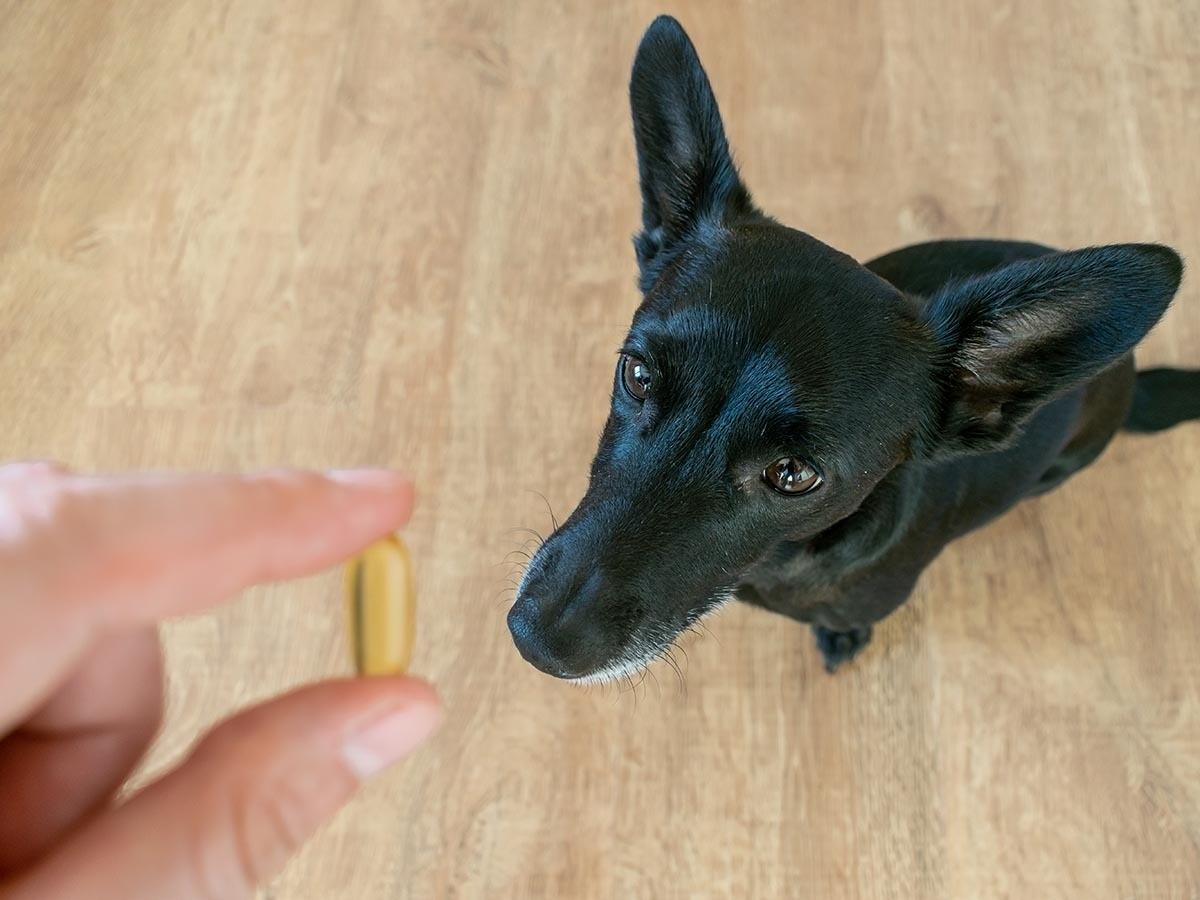
Gabapentin comes in 100 mg, 300 mg, and 400 mg capsules. Never use human liquid formulations — they often contain xylitol, which is toxic to dogs. Ask your vet about a compounded liquid if your dog can't take capsules.
Side Effects of Gabapentin in Dogs
Most dogs tolerate gabapentin well. The most common side effects are:
Sedation/sleepiness — most pronounced in the first few days or at higher doses
Ataxia (wobbly gait, loss of coordination) — usually dose-dependent and resolves when the dose is lowered
Less common: vomiting, diarrhea, or hind leg weakness (more likely in senior dogs on long-term therapy). If you notice any of these, contact your vet before adjusting anything yourself.
Important: Never stop gabapentin suddenly in a dog being treated for seizures. Abrupt discontinuation can trigger withdrawal seizures. Always taper off under veterinary guidance. Dogs with kidney or liver disease metabolize gabapentin more slowly and may experience more pronounced or prolonged side effects — periodic bloodwork monitoring may be recommended for long-term use.
How Much Does Gabapentin for Dogs Cost?
Gabapentin is usually considered one of the more affordable prescription medications in veterinary medicine. A bottle of 100 capsules at 300 mg typically costs around $40 at a standard pharmacy.⁴ For dogs on long-term protocols, monthly costs can range from roughly $20 to $80 or more, depending on dose and formulation. If your dog is on gabapentin long-term for a chronic condition, pet insurance may help offset the ongoing prescription costs — especially if the underlying diagnosis (like IVDD or cancer) involves additional treatments.
Many vets will write a prescription you can fill at a regular human pharmacy, which can often be cheaper than a veterinary-specific supplier. If your dog is on gabapentin long-term for a chronic condition, it's worth researching the prices at different pharmacies in your area.
Frequently Asked Questions: Gabapentin for Dogs
Is gabapentin safe for dogs?
Yes, when prescribed and monitored by a veterinarian. It has been widely used in veterinary medicine for years. Always avoid liquid formulations containing xylitol, and use extra caution in dogs with kidney or liver disease.
Does gabapentin make dogs sleepy?
It can, especially in the first few days or at higher doses. At lower chronic-pain doses, most dogs experience only mild drowsiness that fades as they adjust. If your dog seems excessively sedated, call your vet — the dose may need to be reduced.
How long does gabapentin last in dogs?
Effects can typically last up to 24 hours in healthy dogs, which is why it's usually dosed every 8–12 hours for chronic conditions. In dogs with kidney or liver disease, effects may last longer.
Can I give my dog human gabapentin?
Capsules in the correct dose should be used with your vet's explicit guidance, since human and veterinary capsules often contain the same active ingredient. However, human liquid formulations must not be used — they may contain xylitol. Never dose your dog without direct instruction from your vet.
Can gabapentin be used long-term?
Yes. It's commonly used on a long-term basis for chronic pain and seizure management. There are no documented reports of serious effects from long-term use, though your vet may monitor kidney and liver function periodically, particularly in older dogs.
What happens if I miss a dose?
Always consult your vet. They may recommend you give the missed dose as soon as you remember, unless the next dose is almost due — in that case, skip it and continue the normal schedule. Never double up. If your dog takes gabapentin for seizures and multiple doses have been missed, contact your vet promptly.

We’re pet parents first—and writers, marketers, and product developers by trade—combining lived experience with industry expertise in everything we create.
The information presented in this article is for educational and informational purposes only and does not constitute or substitute for the advice of your veterinarian.
Gabapentin for Dogs. GoodRx Pet Health. 10 Sep. 2024, https://www.goodrx.com/pet-health/dog/gabapentin-for-dogs.
Gabapentin for dogs: Uses, dosage and side effects. Drugs.com. 15 Jul. 2025, https://www.drugs.com/medical-answers/gabapentin-safe-dogs-3570904/.
Gabapentin Dosage for Dogs. SingleCare. Medically reviewed by Emma Ryan, DVM. 23 Oct. 2025, https://www.singlecare.com/blog/gabapentin-dosage-for-dogs-by-weight/.
Gabapentin for Dogs. Wag! 19 Feb. 2024, https://wagwalking.com/treatment/gabapentin-for-dogs.
Gabapentin. VCA Animal Hospitals. https://vcahospitals.com/know-your-pet/gabapentin.
Kirby-Madden T, et al. Effects of Gabapentin on the Treatment of Behavioral Disorders in Dogs. Animals (Basel). 2024;14(10):1462.