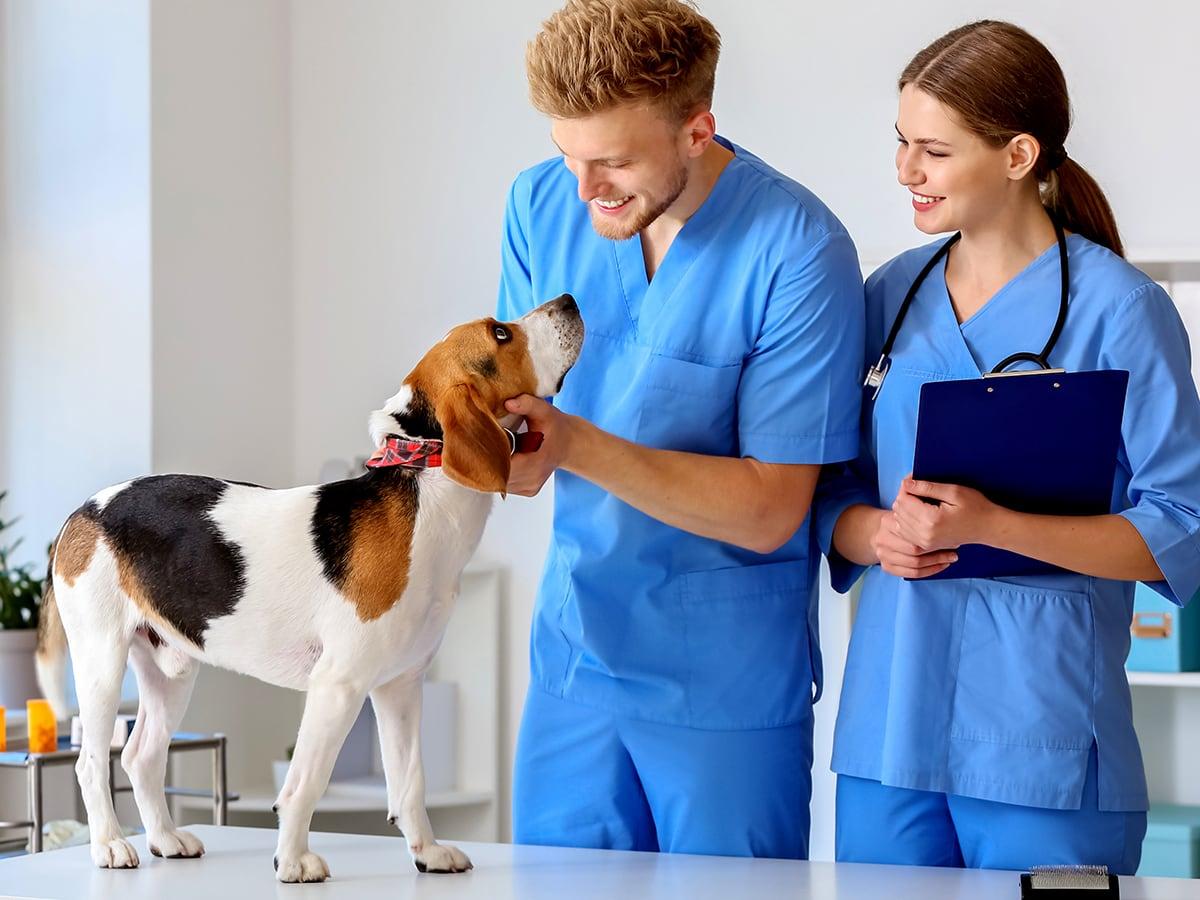
Yes — any licensed vet in the U.S. or Canada works with pet insurance. Pet insurance is reimbursement-based: you pay your vet directly after each visit, then file a claim to get reimbursed for covered expenses. There’s no network of approved providers to worry about, and no reason to switch vets when you enroll.
Why Pet Insurance Has No Vet Networks
Human health insurance works through networks. Pet insurance doesn’t — and that’s one of the biggest differences between the two.
With pet insurance, you pay your vet directly and file a claim after the visit. The insurance company helps reimburse you, not your vet. That means your vet never needs a contract or agreement with any insurer — so any licensed vet automatically qualifies.
You can keep your current vet when you enroll. You can also visit a specialist, go to an out-of-state clinic, or head to an emergency hospital — without checking a provider list first.
According to the North American Pet Health Insurance Association (NAPHIA)¹, the U.S. pet insurance market reached $4.7 billion in 2024, a 21.4% increase from the year before. More pet parents are using coverage at vets across the country — and the reimbursement model stays the same no matter which vet they see.
Do Specialists and Emergency Vets Take Pet Insurance?
Yes. Coverage applies at any type of licensed veterinary facility, including:
Your regular vet for illness and injury visits
Veterinary specialists — oncologists, cardiologists, orthopedic surgeons
Emergency and urgent care clinics for unexpected events
Vets you visit while traveling, as long as they’re licensed in the U.S. or Canada
What determines your reimbursement isn’t where you go — it’s whether the condition is covered under your policy. If your dog needs an orthopedic surgeon for a covered diagnosis, that specialist visit is eligible for reimbursement just like a regular sick visit.
How Does Pet Insurance Reimbursement Work?
The process is three steps:
1. See your vet. Take your pet in for whatever care they need — an illness, an injury, or a specialist visit.
2. Pay the bill. Pay your vet directly at checkout. Keep your itemized invoice and any notes or records from the visit.
3. Submit your claim. Log in to your insurer’s app or online portal and upload your invoice and supporting records. Most insurers process claims within a few business days, with reimbursement sent by check or direct deposit.
The amount you get back depends on your annual deductible, your reimbursement rate, and your annual limit. For example: a $1,000 bill with a $250 annual deductible already met and an 80% reimbursement rate would return $600. For a full breakdown of what pet insurance covers — including which conditions qualify for reimbursement — that’s worth reviewing before your next vet visit.
What Do You Need to File a Pet Insurance Claim?
Most claims need three things:
An itemized invoice showing individual services — not just a total charge
Medical records or vet notes for new conditions being diagnosed for the first time
Confirmation that the bill was paid (most invoices already show this)
Submitting complete documentation upfront keeps the process moving. One thing to know: if your pet has a condition that showed symptoms before your policy was active, it’s likely excluded from coverage — even if you’re filing from a new vet or a different clinic. That’s a function of your policy’s pre-existing condition rules, not the vet’s location.
How Do You Choose the Right Veterinarian?
Since any licensed vet works with pet insurance, your choice is entirely about finding the best fit for your pet — not about insurance compatibility.
The AVMA recommends² choosing your vet with the same care you’d use to choose a doctor or dentist. A few things worth evaluating:
Credentials — Membership in the AVMA or a state veterinary association signals ongoing professional development. Board-certified specialists carry additional training in their specialty.
Communication — Does the vet explain things clearly? Do they make time for your questions?
Location and hours — Can you get there quickly in an emergency? Does the clinic partner with a 24-hour facility?
Routine services — If you’re adding a preventive care add-on to your policy, confirm your vet provides vaccines, wellness exams, and dental cleanings.
Start with referrals from other pet parents, and consider scheduling an intro visit before your pet actually needs care.
Frequently Asked Questions
Do all vets take pet insurance, including specialists and emergency clinics?
Yes. Any licensed veterinary facility works with pet insurance — your regular vet, board-certified specialists, emergency clinics, and out-of-town practices all qualify. You pay the bill at the facility and file your claim afterward. The process is the same regardless of vet type, as long as the underlying condition is covered by your policy.
What if my vet doesn’t file pet insurance claims?
With reimbursement-based pet insurance, you file the claim yourself — not your vet. After your visit, upload your itemized invoice and supporting records through your insurer’s app or online portal. Your vet’s involvement in the insurance process is minimal — they provide care and documentation, and you handle the claim.
Can I use pet insurance when traveling out of state?
Yes. Coverage applies to licensed vets across the U.S. and Canada. If your pet needs care while you’re traveling or you’ve recently moved, you file the claim the same way you would at home. Your insurer cares whether the condition is covered — not where you are when you see the vet.
Does pet insurance cover routine vet visits?
Standard accident and illness plans help cover unexpected injuries and illnesses — not routine wellness care. Annual exams, vaccines, and dental cleanings are typically reimbursed through optional wellness add-ons rather than the base plan. If routine visits matter to your budget, look for a plan that offers a preventive care add-on.
Coverage flexibility matters when it comes to helping protect your pet’s health. From emergencies to routine wellness visits, the right pet insurance plan and preventative care add-ons can help support a wide range of care needs.
With Spot Pet Insurance, pet parents can visit any licensed veterinary clinic in the U.S. or Canada, giving them more freedom to choose the care that works best for their pet. Every plan also includes access to a 24/7 pet telehealth helpline for added support. Get a free quote.
Behind every claim is a pet parent who got to say yes to their pet's care. Read their stories and see what peace of mind really looks like.
If you need a story or someone to talk to your cat like a person, I’m your person. With 3 cats, 1 dog, and a lifetime of pets, I write from experience, usually with a cat on my keyboard and a dog in my lap.
North American Pet Health Insurance Association (NAPHIA). “Section 1: Gross Written Premium.” NAPHIA Industry Data, 2024. https://naphia.org/industry-data/section-1-gross-written-premium/
American Veterinary Medical Association (AVMA). “Finding a Veterinarian.” AVMA. https://www.avma.org/resources/pet-owners/yourvet/finding-veterinarian