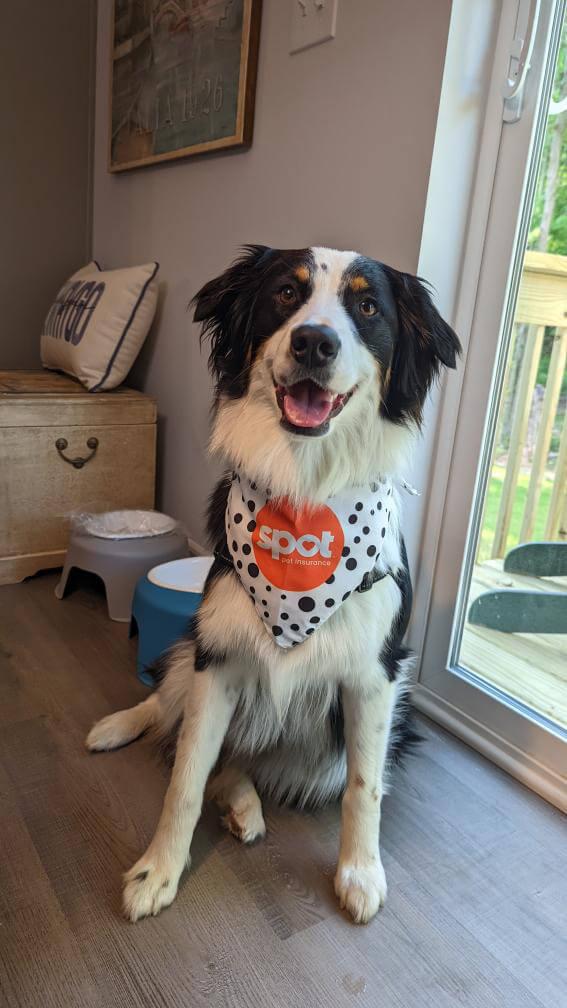

Peace of mind can come from protecting your pet’s health on all fronts. A three-part approach—quality nutrition, regular exercise, and pet insurance— can help create comprehensive coverage for your dog’s wellbeing inside and out. Quality food supports daily health, exercise maintains fitness, and Spot Pet Insurance plans offer financial protection for unexpected veterinary emergencies that can cost $800 to $1,500 on average.
Why Pet Parents Worry About Their Dog’s Health
Pet parenthood brings joy—and anxiety. The rising cost of veterinary care weighs heavily on dog parents who want the best for their companions. Emergency surgeries can exceed $5,000, while chronic conditions often require ongoing treatment that adds up over time.
According to the Association for Pet Obesity Prevention’s 2024 survey, 59% of dogs in the United States are overweight or obese. Excess weight can cause joint problems, diabetes, and shortened lifespans—issues that usually require veterinary intervention.
Understanding how to protect your pet through nutrition, exercise, and insurance can help transform that worry into confidence.
Nutrition: How Quality Food Supports Dog Health
What you feed your dog impacts their internal health. Quality nutrition builds strong immune systems, supports organ function, and helps maintain healthy weight.
What Makes Dog Food “Quality”?
Look for dog food that meets AAFCO nutritional standards. The FDA requires foods labeled “complete and balanced” to meet minimum nutrient requirements established by the Association of American Feed Control Officials (AAFCO). These standards ensure your dog receives essential proteins, fats, vitamins, and minerals.
Key indicators of quality dog food include:
Premium options like The Pets Table offer fresh, human-grade ingredients designed to optimize digestion and nutrient absorption. However, any AAFCO-compliant food from a reputable manufacturer can provide the foundation your dog needs.
The Connection Between Nutrition and Health Costs
Dogs fed nutritionally complete diets tend to have fewer digestive issues, healthier coats, and stronger immune systems. While quality food costs more upfront, it may reduce veterinary visits for diet-related problems like allergies, skin conditions, and gastrointestinal issues.
Exercise: How Much Activity Does Your Dog Need?
Physical activity is essential for preventing obesity and maintaining overall health. Many pet parents underestimate how much exercise their dogs actually need.
Exercise Recommendations by Expert Sources
The AVMA recommends building gradually to one or more 15-minute periods of brisk walking with cool-down time after exercise. For most healthy adult dogs, veterinary experts suggest:
Minimum: 30 minutes of purposeful activity daily
Ideal for most breeds: 60 minutes of exercise per day
High-energy breeds: 60–90 minutes of vigorous activity
Activities can include brisk walks, fetch, swimming, or agility training. The key is consistency—daily exercise matters more than occasional intense sessions.
Why Exercise Matters: The Obesity Epidemic
The 2024 Pet Obesity Survey found that 35% of dog parents now categorize their pets as overweight or obese—up from 17% in 2023. This growing awareness reflects a real health crisis.
Overweight dogs face increased risks for:
Arthritis and joint problems
Heart disease
Reduced lifespan (overweight pets live an average of 2 years less)
Combining proper nutrition with regular exercise creates the foundation for preventing these costly health conditions.
Pet Insurance: Financial Protection for Unexpected Vet Bills
Accidents and illnesses can happen regardless of nutrition and exercise. A dog can swallow a foreign object, develop an unexpected tumor, or be diagnosed with a chronic condition like diabetes. Pet insurance can help provide financial protection when the unexpected occurs.
What Does Pet Insurance Cover?
Spot Pet Insurance plans help cover the eligible expenses that come up unexpectedly:
Accidents: Broken bones, lacerations, swallowed objects
Illnesses: Infections, cancer, digestive disorders
Chronic conditions: Arthritis, diabetes, allergies
Diagnostics: X-rays, MRIs, blood work, ultrasounds
Surgery: Emergency operations, tumor removal, orthopedic procedures
According to NAPHIA’s 2025 State of the Industry Report, 7.03 million pets were insured in North America at the end of 2024—a 12.2% increase from 2023. More pet parents are recognizing that insurance provides peace of mind when facing unexpected veterinary expenses.
How Spot Pet Insurance Plans Reimbursement Works
Spot Pet Insurance offers flexible coverage options designed to fit different budgets:
Coverage Element | Options Available |
|---|---|
Reimbursement Rate | Up to 70%, 80%, or 90% |
Annual Deductible | $100, $250, $500, $750, $1,000 |
Annual Limit | $2,500 to Unlimited options available |
Example*: For a $1,000 eligible vet bill with a $250 deductible and 80% reimbursement rate:
Deductible: $250
Remaining: $750
Reimbursement: $600 (80% of $750)
Your out-of-pocket cost: $400
*Reimbursement amounts may vary depending on the specific terms of the policy, including coverage selected, annual deductible, reimbursement rate, and annual limit. Individual experiences and outcomes may vary.
Spot uses an annual deductible (not per-incident), meaning once you meet your deductible, you can begin getting reimbursed for all eligible expenses that policy year.
Understanding the Cost of Going Without Insurance
Emergency veterinary care costs have risen significantly. According to 2024 research from CareCredit:
Emergency exam (dogs): $96–$236 (average $125)
Average emergency visit: $800–$1,500
Complex procedures: $5,000+
Overnight hospitalization: $222–$567 per night
Without insurance, these costs come entirely out of pocket with no reimbusement—sometimes forcing difficult decisions about treatment.
How Nutrition, Exercise, and Insurance Work Together
Each element of the three-part approach addresses different aspects of your pet’s health:
Protection Type | What It Covers | Example |
|---|---|---|
Quality Nutrition | Daily internal health | Strong immune system, healthy digestion |
Regular Exercise | Physical fitness, mental stimulation | Weight management, joint mobility |
Pet Insurance | Unexpected medical expenses | Emergency surgery, chronic disease treatment |
Nutrition and exercise work preventively, reducing the likelihood of obesity-related conditions and supporting your dog’s natural defenses. Insurance works reactively, helping ensure you can get treatment when the unexpected happens.
You’re addressing both the everyday needs and the unexpected emergencies that are part of pet parenthood.
Achieving Peace of Mind as a Pet Parent
Knowing you’re prepared can help bring peace of mind. When you combine quality nutrition, daily exercise, and pet insurance coverage, you’ve done what you can to help protect your dog’s health.
Your dog’s internal health depends on the food you choose. Their physical fitness depends on the activity you provide. And the ability to afford costly emergency care can depend on pet insurance.
Spot Pet Insurance helps complete this approach by helping ensure unexpected veterinary costs won’t prevent your pet from getting the care they need. With reimbursement rates up to 90% and an unlimited annual coverage option, you can focus on being a pet parent—and worry less about unexpected vet bills.
Key Takeaways
Quality nutrition labeled “complete and balanced” by AAFCO standards supports your dog’s internal health
Dogs need at least 30 minutes of daily exercise, with many breeds requiring 60+ minutes
59% of dogs are overweight or obese, making exercise essential for long-term health
Spot Pet Insurance plans can reimburse up to 90% of eligible vet bills for covered conditions*
Emergency vet visits average $800–$1,500, with complex procedures exceeding $5,0003

Creative manager by day, pet enthusiast all the time! After 19 years with my dog (hopefully he wins the award for oldest pet in the world), I enjoy spending my days brainstorming tail-wagging content, and sniffing out the latest trends in the pet world.
Association for Pet Obesity Prevention. “2024 Pet Obesity & Nutrition Opinion Survey.” APOP, 2025. https://www.petobesityprevention.org/2024-survey
American Veterinary Medical Association. “Walking Your Pet.” AVMA. https://www.avma.org/resources-tools/pet-owners/petcare/walking-your-pet
CareCredit. “How Much Does an Emergency Vet Visit Cost?” CareCredit, 2024. https://www.carecredit.com/well-u/pet-care/emergency-vet-visit-cost-and-veterinary-financing/
North American Pet Health Insurance Association. “State of the Industry Report 2025.” NAPHIA, 2025. https://naphia.org/industry-data/
U.S. Food and Drug Administration. “Complete and Balanced Pet Food.” FDA. https://www.fda.gov/animal-veterinary/animal-health-literacy/complete-and-balanced-pet-food
Spot Pet Insurance. “How Pet Insurance Reimbursement Works.” Spot. https://spotpet.com/blog/how-pet-insurance-works/how-does-pet-insurance-reimbursement-work
*Waiting periods, annual deductible, co-insurance, benefit limits and exclusions may apply.