
Creative employee benefits like pet insurance, flexible schedules, and pet-friendly offices can significantly impact recruitment and retention. According to SHRM research, employers now offer 216 different benefits—up 23% from just two years ago—as companies compete for talent beyond traditional compensation packages.
Key Takeaways
64% of pet partents say pet emergency PTO would influence their choice of employer
71% of employees prefer pet-friendly offices over on-site game rooms
3 in 5 employees would leave for better benefits, even at a pay cut
23 million households adopted pets during the pandemic, driving demand for pet-related workplace perks
Why Creative Benefits Matter in 2025
The workplace has evolved dramatically since 2020. Remote work became the norm for many, and pet adoption surged—according to the ASPCA, 23 million households (one in five Americans) adopted a pet during the first year of the pandemic alone.
This shift created new employee expectations. A 2024 Aflac study found that over 3 in 5 employees would consider leaving their current job for one with better benefits—even if it meant taking a pay cut.
Creative benefits aren’t just nice-to-haves anymore. They’re competitive differentiators that show employees you understand their lives outside work.
1. Flexible Work Arrangements
Flexibility consistently ranks among the most valued employee benefits. Allowing team members to choose their work environment—remote, hybrid, or office-based—demonstrates trust and acknowledges that productivity isn’t tied to a specific location.
How to Implement Flexible Work
Remote-first or hybrid options: Let employees work from home when it makes sense for their role and responsibilities.
Flexible scheduling: Allow adjusted start and end times to accommodate personal needs, whether that’s a veterinary appointment, school pickup, or simply working when they’re most productive.
Results-focused management: Measure output and results rather than hours logged or time in seat.
The Pet Parent Connection
For pet parents, flexibility can matter even more. If a dog needs a midday walk or a cat requires medication at specific times, flexible arrangements mean employees don’t have to choose between their job and their pet’s care.
2. Pet-Friendly Office Policies
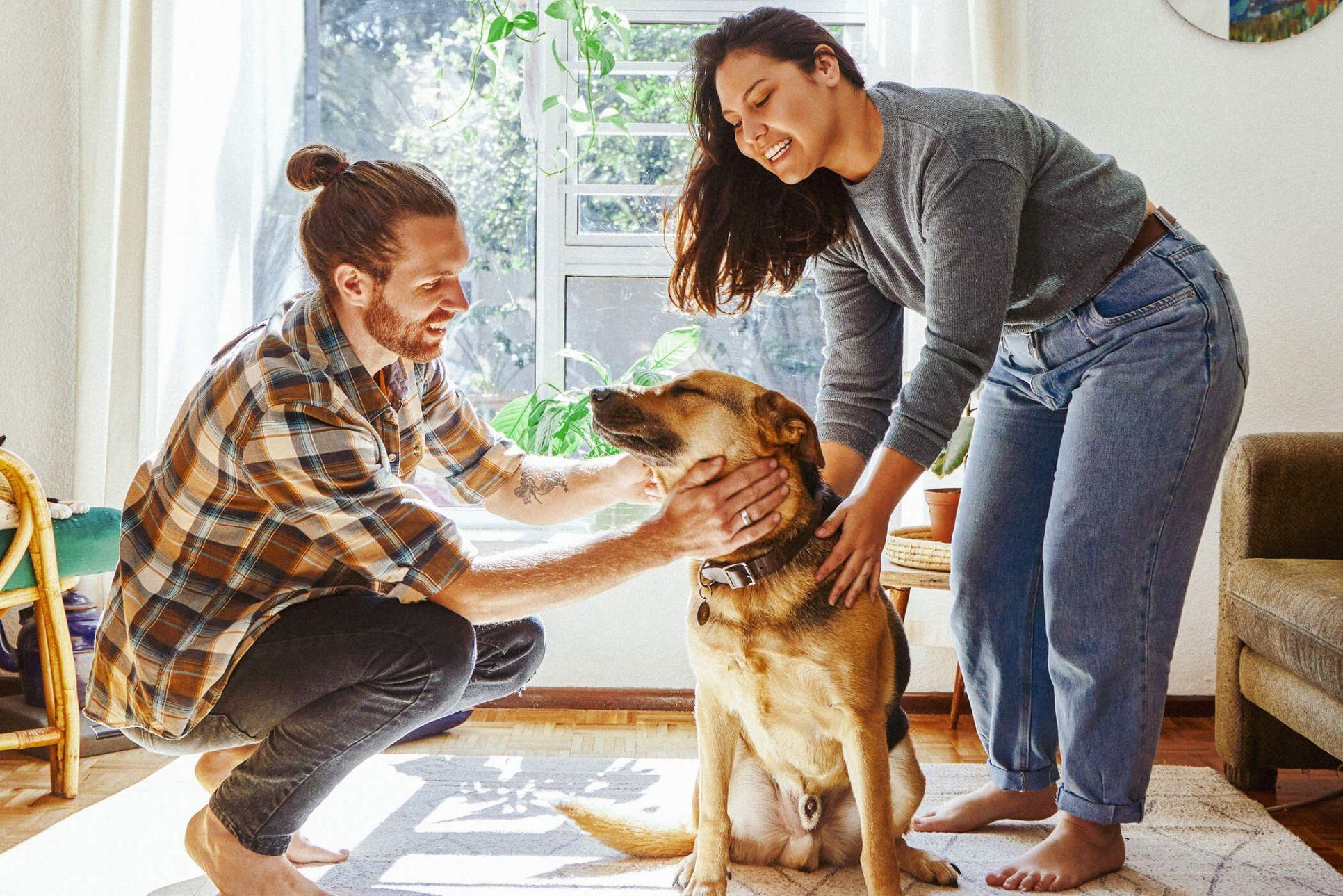
Making your workplace pet-friendly can create immediate morale benefits. At Spot Pet Insurance, dogs regularly join our conference calls and nap under desks—it’s part of the company culture.
Benefits of Pet-Friendly Offices
Stress reduction: Studies show that having pets in the workplace can lower stress hormones and blood pressure.4
Natural breaks: Dog walks and pet interactions encourage employees to step away from screens and recharge.
Team bonding: Pets create natural conversation starters and connections between colleagues who might not otherwise interact.
Making It Work
Not every workplace can accommodate pets, and not every employee is comfortable around animals. If you implement a pet-friendly policy:
Establish clear behavior expectations for office pets
Designate pet-free zones for employees with allergies or preferences
Require proof of vaccinations and basic training
Create cleanup protocols and supply stations
3. Voluntary Pet Insurance Benefits
Pet insurance has emerged as one of the most requested voluntary benefits. With veterinary costs rising—the Bureau of Labor Statistics reports a 7.9% increase in 2023-2024—employees increasingly want coverage options for their furry family members.
Why Employees Want Pet Insurance
Financial protection: Emergency vet visits can cost thousands of dollars unexpectedly
Peace of mind: Knowing coverage exists can help pet parents focus on their work
Inclusive benefit: Appeals to employees at all life stages and family configurations
How Employers Offer Pet Insurance
Many companies partner with pet insurance providers to offer pet insurance as a voluntary benefit. Employees typically pay premiums through payroll deduction or direct bill, often at discounted rates.
Spot Pet Insurance offers employer group discounts that make it easy to add pet insurance to your benefits package. Learn more about employer pet insurance options.
The Employee Perspective
71% of pet parents say they would prefer a pet-friendly office over an on-site game room.1 Many would also choose pet insurance over traditional wellness programs, reflecting how central pets have become to employees’ lives and priorities.
4. Celebrating Milestones and Occasions
Recognition matters. Simple gestures like acknowledging birthdays and work anniversaries build connection and show employees they’re valued as individuals, not just workers.
Ideas for Meaningful Recognition
Birthday acknowledgments: Team-signed cards, a small gift, or simply taking time to celebrate
Work anniversaries: Recognize tenure milestones with personalized appreciation
Pet milestones: Some companies acknowledge pet adoptions or birthdays—a gesture that can resonate deeply with pet parents
Welcome rituals: New hire welcomes, whether in-person or virtual, create belonging from day one
Beyond the Gesture
Recognition works best when it’s authentic and consistent. A birthday card signed by colleagues means more than an automated email. The investment is minimal—the impact on culture and retention is substantial.
5. Regular Team Connection Events
Building team cohesion requires intentional effort, especially in remote or hybrid environments. Regular social gatherings—whether in-person or virtual—maintain relationships and combat isolation.
Making Team Events Inclusive
“Yappy Hours”: At Spot, early Friday gatherings (sometimes with pets) create casual connection time
Virtual options: For distributed teams, virtual coffee chats, games, or happy hours keep people connected
Low-pressure format: Not everyone enjoys large parties. Offer varied formats—small groups, one-on-ones, team activities—to include different personalities
Pet-inclusive events: When pets can join, these gatherings become even more memorable and personal
The Business Case
Team connection isn’t just about culture—it drives results. Employees who feel connected to colleagues are more engaged, more collaborative, and more likely to stay. Regular touchpoints maintain those connections between major projects or crises.
Building Your Benefits Strategy
Creative benefits work best when they align with your company culture and employee needs. Consider these steps:
Assess Employee Priorities
Survey your team to understand what benefits would matter most. You might be surprised—the game room you’re planning may be less valued than access to discounted pet insurance plans or flexible scheduling.
Start Small and Iterate
You don’t need to implement everything at once. Choose one or two creative benefits to pilot, measure their impact, and expand based on results.
Communicate Clearly
Benefits only work if employees know about them and understand how to use them. Promote new offerings through multiple channels and make enrollment simple.
Measure Results
Track metrics that matter: participation rates, employee satisfaction scores, retention data, and recruitment feedback. Use data to refine your approach over time.
The Bottom Line
Creative employee benefits are no longer optional differentiators—they’re expected components of competitive compensation packages. Pet insurance, flexible work, pet-friendly policies, recognition programs, and team events all contribute to a workplace where employees feel valued and supported.
The companies that thrive will be those that recognize employees have full lives outside work, including the furry family members who depend on them.

I've had the privilege of immersing myself in the realm of pet safety. As the owner of an energetic mini golden doodle, I know just how stressful being a pet owner can be. I am dedicated to ensuring our beloved pets enjoy a life brimming with good health.
Society for Human Resource Management. “Employee Benefit Trends for 2025.” SHRM. https://www.shrm.org/topics-tools/news/benefits-compensation/employee-benefit-trends-for-2025-
ASPCA. “New ASPCA Survey Shows Overwhelming Majority of Dogs and Cats Acquired During the Pandemic Are Still in Their Homes.” ASPCA Press Release. https://www.aspca.org/about-us/press-releases/new-aspca-survey-shows-overwhelming-majority-dogs-and-cats-acquired-during
Aflac. “2024 Workforce Report.” Aflac. https://www.aflac.com/business/resources/insights/workforce-report.aspx
AHA. “5 Ways Pets Help with Stress and Mental Health.” American Heart Association, Oct. 8 2024, https://www.heart.org/en/healthy-living/healthy-bond-for-life-pets/pets-as-coworkers/pets-and-mental-health.
Bureau of Labor Statistics. “Consumer Price Index - Veterinary Services.” BLS. https://www.bls.gov/cpi/