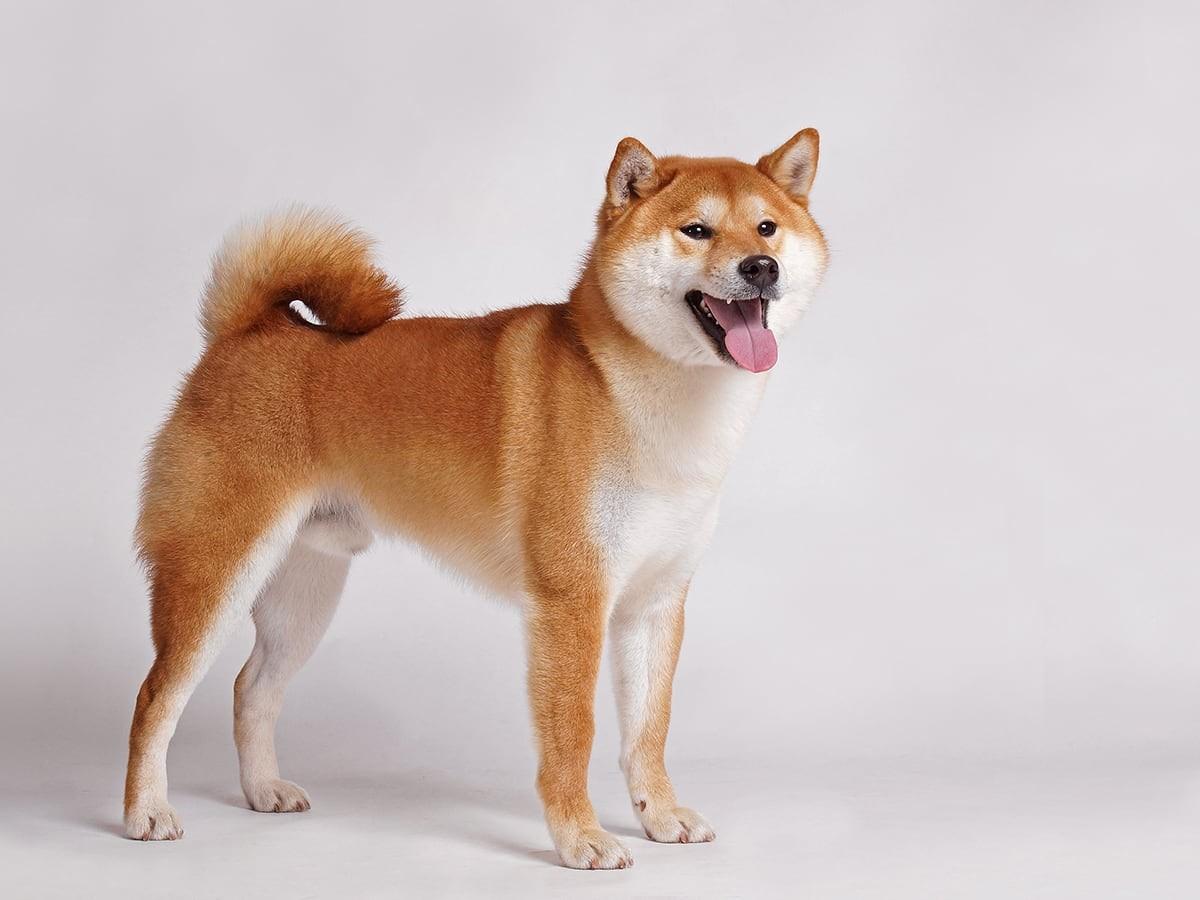
Before getting a Shiba Inu, you should know this breed is independent, strong-willed, difficult to train, prone to heavy shedding, and not ideal for first-time dog owners. While intelligent and loyal, Shiba Inus require confident leadership, consistent training, and realistic expectations.
If you’re considering bringing one home, here’s what you need to understand first.
1. Shiba Inus Are Extremely Independent
The Shiba Inu was originally bred in Japan as a hunting dog, and that independence remains today. They often make decisions on their own rather than looking to their owner for direction.
This breed is frequently described as “cat-like” — affectionate with their family but not overly needy or eager to please.
If you want a dog that constantly seeks approval, a Shiba Inu may not be the best fit.
2. Training Can Be Challenging
Shiba Inus are highly intelligent — but intelligence does not equal obedience.
They:
Understand commands quickly
May choose when to respond
Test boundaries
Require firm, consistent leadership
Positive reinforcement works best, but patience is essential. Many experienced owners say Shibas are not beginner-friendly dogs.
3. Off-Leash Reliability Is Rare
One of the most important things to know before getting a Shiba Inu is that off-leash walking is generally not recommended.
Because of their strong prey drive and independent nature, they may:
Chase small animals
Ignore recall commands
Wander if distracted
A secure leash or fenced yard is essential for safety.
4. They Have a Strong Prey Drive
Originally bred for hunting small game, Shiba Inus still retain sharp instincts.
This can lead to:
Chasing squirrels or cats
Difficulty living with small pets
Sudden pulling on walks
Early training and supervision are critical.
5. They Can Be Aloof With Strangers
Shiba Inus form deep bonds with their families but may be reserved around unfamiliar people.
Without proper socialization, they can:
Act standoffish
Bark at strangers
Show territorial behavior
Early exposure to people and environments helps build confidence.
6. Same-Sex Dog Aggression Is Possible
This breed can be selective with other dogs, especially those of the same sex.
Careful introductions and ongoing socialization are important. Multi-dog households require thoughtful management.
7. The “Shiba Scream” Is Real
Shiba Inus are generally quiet dogs — but when upset, startled, or strongly protesting, they can emit a high-pitched vocalization often called the “Shiba scream.”
This behavior surprises many new owners.
8. Shedding Is Heavy — Especially Seasonally
Shiba Inus have a thick double coat.
They:
Shed moderately year-round
“Blow” their undercoat heavily in spring and fall
Regular brushing is necessary to manage fur around the home.
9. They Need Daily Mental and Physical Stimulation
Despite their small size, Shiba Inus are active dogs.
They require:
Daily walks
Structured play
Puzzle toys or enrichment
Clear routines
Without stimulation, boredom may lead to destructive behaviors.
10. They Are Loyal — On Their Terms
Once bonded, Shiba Inus are deeply loyal and protective of their families.
However, they typically:
Prefer sitting beside you rather than on you
Show affection selectively
Maintain personal space
Their loyalty is strong — but not overly demonstrative.
Are Shiba Inus Good for First-Time Owners?
Often, no.
Because of their independence, stubbornness, and training challenges, Shiba Inus are generally better suited to experienced dog owners who understand canine behavior and consistency.
Who Should Think Twice Before Getting a Shiba Inu?
You may want to reconsider if you:
Want an off-leash dog
Prefer a highly obedient breed
Have small pets
Dislike heavy shedding
Are new to dog ownership
Want a highly cuddly, attention-seeking dog
Health Considerations to Know
Shiba Inus are generally healthy and live 13–16 years, but they may be prone to allergies, eye conditions, and joint issues. Because unexpected veterinary expenses can arise, some owners choose pet insurance to help manage potential treatment costs.
Final Thoughts: Is a Shiba Inu Right for You?
A Shiba Inu can be an incredibly rewarding companion — but only for the right household.
Before getting a Shiba Inu, be prepared for:
Independence
Strong opinions
Training challenges
Heavy shedding
Loyal but reserved affection
If you value intelligence, confidence, and a dog with personality, the Shiba Inu may be a great match — as long as you’re ready for the commitment.

With 10 years of experience as a pet parent, I aim to empower pet owners with insights into pet insurance and maintaining their pet's well-being. I aspire to be a trusted source, combining knowledge with a commitment to the welfare of our beloved pets.
“Japanese Shiba Inu Dog Breed Information.” Purina, Purina , www.purina.co.uk/find-a-pet/dog-breeds/japanese-shiba-inu.
Cosgrove, Nicole. “Does a Shiba Inu like to Cuddle? Breed Temperament & Bonding Tips.” Dogster, Dogster , 23 July 2024, www.dogster.com/lifestyle/does-a-shiba-inu-like-to-cuddle.
Miller, Sarah. “Shiba Inu Grooming: Bathing, Shedding, and Why They Don’t Need Trims.” Rover, Rover.com , www.rover.com/blog/shiba-inu-grooming/.
“Shiba Inu Dog Breed Information.” American Kennel Club, American Kennel Club, www.akc.org/dog-breeds/shiba-inu/.
Rowe, Olivia. “How Much Does a Shiba Inu Cost?” The Dog People by Rover.com, 15 Mar. 2024, www.rover.com/blog/shiba-inu-dog-price-guide/.