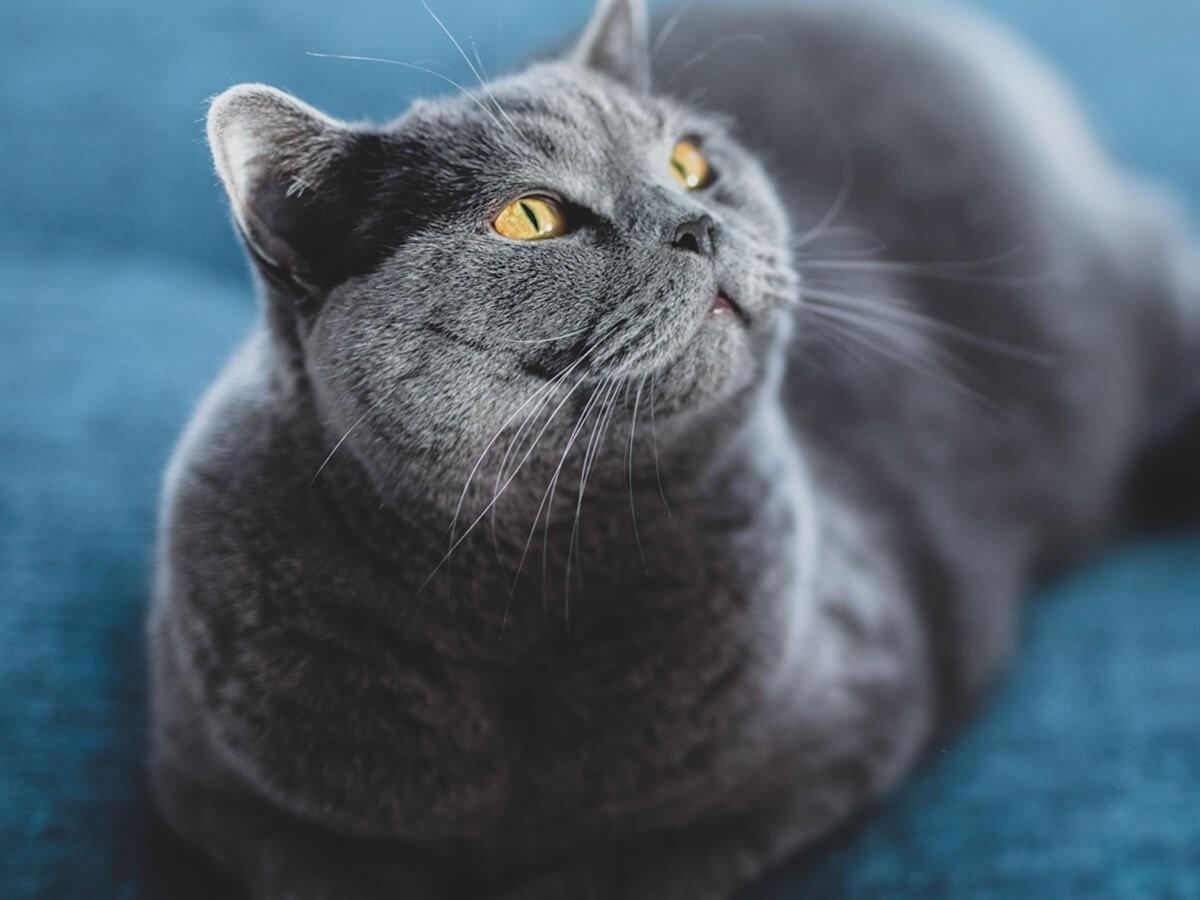
Is a British Shorthair the Right Cat for You?
Before focusing on price, it’s important to understand what living with a British Shorthair is actually like.
Originating in Great Britain, the British Shorthair is known for its round face, large eyes, and dense, plush coat that gives it a distinctive teddy bear-like appearance. Adult cats typically weigh between 7 and 17 pounds and stand about 12 to 14 inches tall. With a life expectancy of 15 to 20 years, this is a long-term commitment.
This breed is best suited for households looking for a calm, easygoing companion. British Shorthairs adapt well to indoor living and are often comfortable around children and other pets. They are loyal without being overly demanding and tend to enjoy quiet companionship rather than constant activity.
Those seeking a highly energetic or attention-seeking cat may want to think twice. British Shorthairs are affectionate but independent. They prefer a relaxed environment and consistent routines over chaotic or constantly changing settings.
Emotionally, they form strong bonds and bring a sense of calm to a home. Practically, they require steady veterinary care, balanced nutrition, and attention to grooming to maintain their coat and overall health.
What Is the Average Cost of a British Shorthair in 2025?
A British Shorthair typically costs between $50 and $3,000, depending on whether you adopt or purchase from a breeder.
Why British Shorthair Prices Vary
Several factors influence the cost of bringing home a British Shorthair.
Ownership choice plays a significant role. Adoption fees generally fall on the lower end and often cover food and veterinary care provided while the cat was in the shelter’s care. Purchasing from a breeder increases cost, particularly for purebred kittens.
Pedigree and bloodline affect pricing. Cats with documented lineage from reputable breeders, especially those maintaining strong genetic health standards, typically cost more.
Coat color can influence price as well. More common colors tend to be less expensive, while rarer or more desirable coat colors may increase demand and pricing.
Geographic location and demand also matter. In areas where British Shorthairs are highly sought after, waiting lists and higher breeder pricing are common.
While size does not dramatically increase food costs compared to larger breeds, their long lifespan means expenses extend over many years.
Monthly Cost of Owning a British Shorthair
Long-term affordability depends on consistent care rather than one-time spending.
Nutrition is foundational. Feeding a balanced diet that supports coat health, weight maintenance, and overall well-being typically requires a combination of quality dry and wet food. Proper nutrition contributes directly to longevity and disease prevention.
Grooming needs are moderate but important. Professional grooming sessions can include brushing, nail trimming, ear cleaning, and occasionally bathing. Regular grooming helps prevent matting, reduce shedding, and maintain skin health. Even though British Shorthairs are considered relatively low-maintenance compared to long-haired breeds, coat care remains a consistent responsibility.
Routine veterinary care includes annual checkups, vaccinations, and monitoring for breed-related conditions. Preventive visits are key to supporting their extended lifespan.
Monthly ownership is less about fluctuating expenses and more about maintaining steady, predictable care.
British Shorthair Health: Prevention First, Costs Second
Preventive care plays a central role in managing long-term health.
British Shorthairs may be predisposed to hypertrophic cardiomyopathy (HCM), kidney issues, and urinary tract infections. Regular veterinary visits, particularly those that monitor cardiac health, are important for early detection and management.
Maintaining proper hydration, monitoring litter box habits, and providing a balanced diet can help reduce the likelihood of kidney and urinary issues. A clean living environment and consistent checkups further support overall well-being.
When health conditions arise, treatment costs vary depending on severity and intervention. Proactive monitoring is the most effective strategy for managing both health outcomes and potential expenses.
One-Time Setup Costs for a British Shorthair
Bringing a British Shorthair home involves several initial purchases. Most new pet parents invest in a litter box, food and water bowls, a scratching post, toys, a bed, and a collar with identification.
Microchipping is another important one-time cost that provides a permanent identification method if a cat becomes lost. Initial vaccinations during the first year are also essential to protect against common feline diseases.
Planning for these early expenses ensures a smooth transition into ownership.
Lifetime Cost of a British Shorthair
With a life expectancy of 15 to 20 years, the estimated lifetime cost of caring for a British Shorthair generally falls between $17,000 and $23,000.
This range reflects veterinary care, grooming, food, and supplies over many years. Early decisions — such as adopting versus purchasing, choosing a breeder, and maintaining preventive care routines — influence where within that range an pet parent may fall.
Understanding the long-term financial commitment helps ensure that bringing home a British Shorthair remains both emotionally fulfilling and financially sustainable.
British Shorthair Ownership FAQs
Is a British Shorthair right for apartments?
Yes. British Shorthairs adapt well to indoor living and are comfortable in smaller spaces, provided they receive attention and a stable routine.
Are British Shorthairs high maintenance?
They are generally considered low to moderate maintenance. While their grooming needs are manageable, they still require consistent brushing and regular veterinary care.
What surprises new British Shorthair owners?
Many new pet parents are surprised by how strong their bond becomes. Despite their calm and independent nature, British Shorthairs form deep attachments and enjoy quiet companionship.
Final Thoughts on British Shorthair Ownership Costs
British Shorthair cats are cherished for their calm temperament, plush appearance, and long lifespan. While the upfront cost can vary significantly depending on adoption or breeder purchase, the true commitment lies in consistent long-term care.
For those planning ahead, some pet parents explore options such as cat insurance to help manage unexpected veterinary expenses related to accidents or illnesses.
Making an informed decision ensures that welcoming a British Shorthair into your home remains a joyful and sustainable choice.

I've had the privilege of immersing myself in the realm of pet safety. As the owner of an energetic mini golden doodle, I know just how stressful being a pet owner can be. I am dedicated to ensuring our beloved pets enjoy a life brimming with good health.
"How Much Does it Cost to Be a Cat Parent?" Rover, https://www.rover.com/blog/cost-of-cat-parenthood/, n.d.
"British Shorthair Cat Health Problems," Caster, https://www.catster.com/guides/british-shorthair-cat-health-problems/, Jan. 30, 2024.
"How to Find Low Cost Dog and Cat Vaccinations Near You," Rover, https://www.rover.com/blog/low-cost-dog-and-cat-vaccinations/#what-vaccinations-do-my-pets-need, n.d.
The information presented in this article is for educational and informational purposes only and does not constitute or substitute for the advice of your veterinarian.