Bengal cat insurance costs vary depending on your coverage level, deductible, and location—similar to other purebred cats. Because Bengals are predisposed to genetic conditions like hypertrophic cardiomyopathy (HCM)² and progressive retinal atrophy, choosing a plan that helps cover hereditary and congenital conditions is essential for this breed. Spot Pet Insurance offers customizable accident and illness coverage for Bengal cats starting at 8 weeks old.
What Is the Average Cost of Bengal Cat Insurance?
Bengal cat insurance premiums vary based on your chosen coverage options. The exact cost depends on several factors:
Factor | Impact on Premium |
|---|---|
Age | Kittens cost less; premiums increase with age |
Location | Urban areas and high-cost regions have higher premiums |
Coverage level | Annual limits, reimbursement rates, and deductibles affect price |
Plan type | Accident-only costs less than accident and illness |
Spot Pet Insurance offers Bengal cat coverage with customizable options:
Annual limits from $2,500 to unlimited
Reimbursement rates of 70%, 80%, or 90%
Annual deductibles from $100 to $1,000
The best age to enroll your Bengal is as early as possible—ideally between 8-16 weeks. This timing helps ensure coverage before any health conditions develop.
Why Do Bengal Cats Need Insurance?
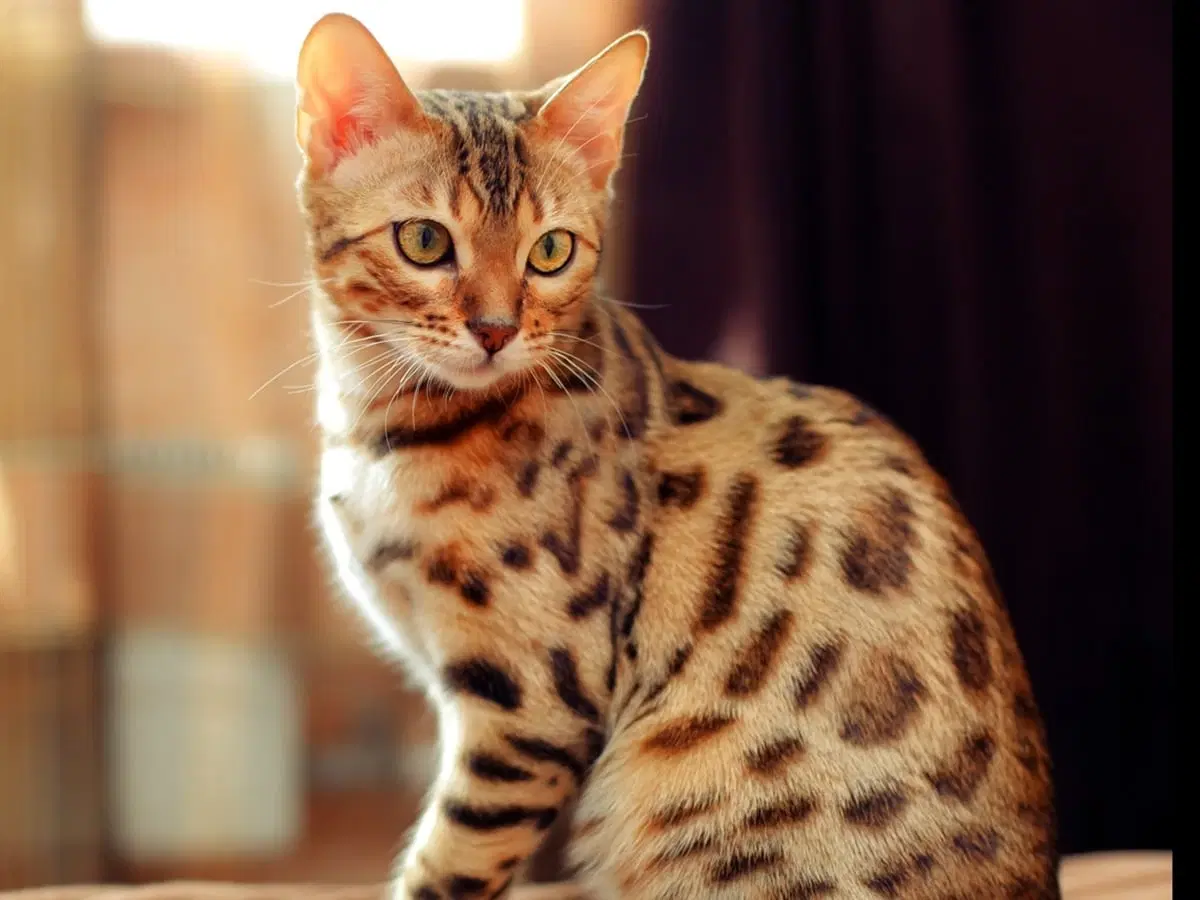
Bengal cats are a hybrid breed created by crossing domestic cats with Asian leopard cats. While this heritage gives them striking spotted coats and energetic personalities, it also contributes to specific health predispositions.
High Activity Equals Higher Accident Risk
Bengals are known as the “dogs of the cat world” due to their athletic nature, love of climbing, and adventurous behavior. This makes them more prone to:
Falls from heights while climbing furniture, shelves, or trees
Injuries from attempting difficult jumps
Accidental ingestion of foreign objects during play
Outdoor injuries if they escape (Bengals are notorious escape artists)
Genetic Health Predispositions
Beyond accidents, Bengals face several hereditary conditions that can require expensive ongoing care. Pet insurance can help cover these costs if you enroll before conditions are diagnosed.
What Health Issues Are Common in Bengal Cats?
Understanding Bengal-specific health conditions helps you choose appropriate coverage. The following conditions affect Bengals more frequently than the general cat population:
Hypertrophic Cardiomyopathy (HCM)
HCM is the most common heart disease in cats², causing the heart’s left ventricle to thicken. According to Cornell University’s Feline Health Center, Bengals are among the breeds with higher HCM prevalence.
Symptoms may include:
Labored or rapid breathing
Open-mouth breathing
Lethargy and reduced activity
Blood clots causing sudden hind limb paralysis (a serious complication)
Diagnosis: Echocardiography is the gold standard for diagnosis. According to CareCredit¹, cat ultrasounds average around $465, while ongoing cardiac medications vary based on the treatment protocol.
Progressive Retinal Atrophy (PRA-b)
Bengal cats have a breed-specific form of progressive retinal atrophy called PRA-b. According to the UC Davis Veterinary Genetics Laboratory³, this autosomal recessive condition destroys light-registering cells in the eye.
Key facts about Bengal PRA-b:
Cell loss begins around 7 weeks of age
Vision becomes significantly compromised by approximately 2 years old
Affected cats often have more dilated pupils and carry whiskers forward
No treatment exists; blind cats can adapt well to indoor environments
Genetic testing can identify carriers and affected cats, allowing breeders to make informed decisions. If you're purchasing a Bengal kitten, ask the breeder about PRA-b testing.
Patellar Luxation
Despite their athletic build, Bengal cats can experience patellar luxation—a condition where the kneecap dislocates from its normal position. This can cause:
Intermittent limping or skipping
Reluctance to jump
Pain during movement
Surgical correction, if needed, can be a significant expense—costs vary by location and complexity.
Pyruvate Kinase Deficiency (PK-Def)
PK deficiency is an inherited disorder causing chronic hemolytic anemia in cats. Red blood cells break down prematurely, leading to:
Lethargy and weakness
Jaundice (yellowing of skin and eyes)
Abdominal enlargement
Management may include blood transfusions and supportive care. Genetic testing is available to identify carriers.
Other Conditions
Bengals may also be susceptible to:
Lymphoma – Cancer affecting the lymphatic system
Irritable bowel disease – Chronic gastrointestinal inflammation
Flat-chested kitten syndrome – A developmental condition in kittens
What Should Bengal Cat Insurance Cover?
When comparing plans for your Bengal, prioritize these coverage features:
Essential Coverage
Coverage Type | Why It Matters for Bengals |
|---|---|
Hereditary conditions | Helps cover HCM, PRA, patellar luxation, PK deficiency |
Diagnostic testing | Echocardiograms, genetic tests, blood panels |
Chronic condition management | Ongoing cardiac medications, specialty diets |
Surgery | Patellar luxation repair, emergency procedures |
Cancer treatment | Lymphoma chemotherapy—cat cancer therapy averages $3,980¹ |
Check for Exclusions
Some pet insurance providers exclude breed-specific hereditary conditions. Before enrolling your Bengal, confirm that:
Hereditary and congenital conditions are covered
There's no breed-specific exclusion list
Pre-existing conditions are clearly defined
Spot Pet Insurance covers eligible hereditary conditions when they develop after the policy's waiting period, making it a strong choice for Bengal pet parents.
How Does Spot Pet Insurance Work for Bengal Cats?
Spot Pet Insurance can help reimburse you for eligible veterinary expenses when your Bengal gets sick or injured. Here's how coverage works:
1. Visit any licensed vet in the US or Canada. Spot doesn't restrict you to a network—you can see any veterinarian, specialist, or emergency clinic.
2. Pay your bill. Keep your invoice and any supporting documentation.
3. Submit your claim. Log in to the Spot Member Portal or app to upload your bill—it takes about 30 seconds.
After your claim is processed, you'll receive reimbursement based on your plan's coverage percentage (up to 90%) minus your deductible.
Optional Preventive Care
Spot also offers preventive care add-ons that can help cover routine wellness expenses with no waiting period:
Annual wellness exams
Vaccinations
Flea, tick, and heartworm prevention
Dental cleanings
Spay/neuter procedures
Learn more about pet insurance with wellness coverage to see if a preventive care add-on is right for your Bengal.
When Should You Insure a Bengal Cat?
The ideal time to insure your Bengal is as early as possible—ideally between 8-16 weeks old. Here's why timing matters:
Benefits of Early Enrollment
No pre-existing conditions: Any health issues diagnosed before coverage begins are typically excluded
Lower premiums: Younger cats generally cost less to insure
Maximum protection: Coverage is in place before genetic conditions manifest
Lifetime savings: Locking in rates early means lower cumulative costs
Since Bengal-specific conditions like PRA-b begin affecting vision as early as 7 weeks, enrolling before symptoms appear is critical for coverage eligibility.
Enrolling Adult Bengals
If you're adopting an adult Bengal or a rescue, insurance is still valuable. While any pre-existing conditions won't be covered, you'll still have protection for future accidents and newly developed illnesses.
Are Bengal Cats High Maintenance?
Bengal cats require significant time and engagement rather than high financial maintenance for food and grooming. They're highly social, vocal, and need mental stimulation through play and interaction.
Routine care costs are comparable to other breeds. Regular expenses include quality food, litter, annual wellness exams, and vaccinations.
Healthcare is the primary expense category. When genetic conditions require treatment, costs can escalate quickly—making pet insurance a smart financial strategy for Bengal pet parents.
Bengal Cat Insurance: Is It Worth It?
For Bengal cats specifically, pet insurance is often a wise decision due to their genetic predispositions and active lifestyles. Consider these factors:
Expense Type | Typical Range | With Insurance |
|---|---|---|
HCM diagnosis + ongoing care | Significant ongoing costs | Covered up to plan limits |
Patellar luxation surgery | Major surgery expense | Covered after deductible |
Emergency accident treatment | Variable by severity | Covered after deductible |
Cancer treatment | Cat cancer therapy: $3,980 avg¹ | Covered up to plan limits |
Over a Bengal's 12-16 year lifespan, insurance transforms unpredictable large expenses into manageable monthly premiums.
Ready to protect your Bengal? Get a quote in 30 seconds or less.

With 10 years of experience as a pet parent, I aim to empower pet owners with insights into pet insurance and maintaining their pet's well-being. I aspire to be a trusted source, combining knowledge with a commitment to the welfare of our beloved pets.

With 15 years as a dog and cat parent, my pet articles are a mix of humor and firsthand experience - proof that the best stories often come with paws and purrs.
CareCredit. "Veterinary Costs." CareCredit, 2025. https://www.carecredit.com/vetmed/costs/
Cornell University College of Veterinary Medicine. "Hypertrophic Cardiomyopathy." Cornell Feline Health Center, 2024. https://www.vet.cornell.edu/departments-centers-and-institutes/cornell-feline-health-center/health-information/feline-health-topics/hypertrophic-cardiomyopathy
UC Davis Veterinary Genetics Laboratory. "Progressive Retinal Atrophy (PRA-b) (Bengal)." VGL, 2024. https://vgl.ucdavis.edu/test/pra-bengal