
Cat insurance helps cover a wide range of veterinary costs depending on the plan type you choose. Accident and illness plans — the most common choice — typically cover emergency care, surgery, hospitalization, hereditary conditions, cancer, dental illness, chronic conditions, diagnostics, and prescription medications. Accident-only plans cover injuries only. Understanding what each plan type includes (and excludes) is the most important decision you'll make when choosing cat coverage.
What Accident-Only Plans Cover
Accident-only plans provide the most basic level of coverage. They're designed for unexpected physical injuries only — not illness of any kind.
Typically covered under accident-only plans:
Broken bones and fractures
Bite wounds and lacerations
Foreign object ingestion and removal
Toxin or poison exposure
Emergency visits for accident-related injuries
Accident-related surgery
Accident-only plans do not cover any illness — not infections, not dental disease, not urinary blockages, not cancer. For cats specifically, this is a significant limitation: some of the most common and costly feline health events (urinary obstructions, dental disease, hyperthyroidism, kidney disease) are illnesses, not accidents. Accident-only coverage provides no reimbursement for any of them.
What Accident and Illness Plans Cover
Accident and illness (A&I) plans include everything in accident-only plans, plus extensive illness coverage.
Emergency and urgent care:
Emergency vet visits
Hospitalization and overnight stays
Urinary obstructions (a common and serious feline emergency)
Seizures and neurological events
Poisoning or toxin ingestion
Diagnostic services:
X-rays and ultrasounds
MRI and CT scans
Blood work and urinalysis
Biopsies and lab tests
Treatments and medications:
Prescription medications
Surgery and anesthesia
Bandages and medical supplies
Physical therapy and rehabilitation
Chronic and ongoing conditions:
Diabetes
Kidney disease
Hyperthyroidism
Cancer and tumor treatment
Heart disease
Hereditary and congenital conditions:
Polycystic kidney disease (common in Persians)
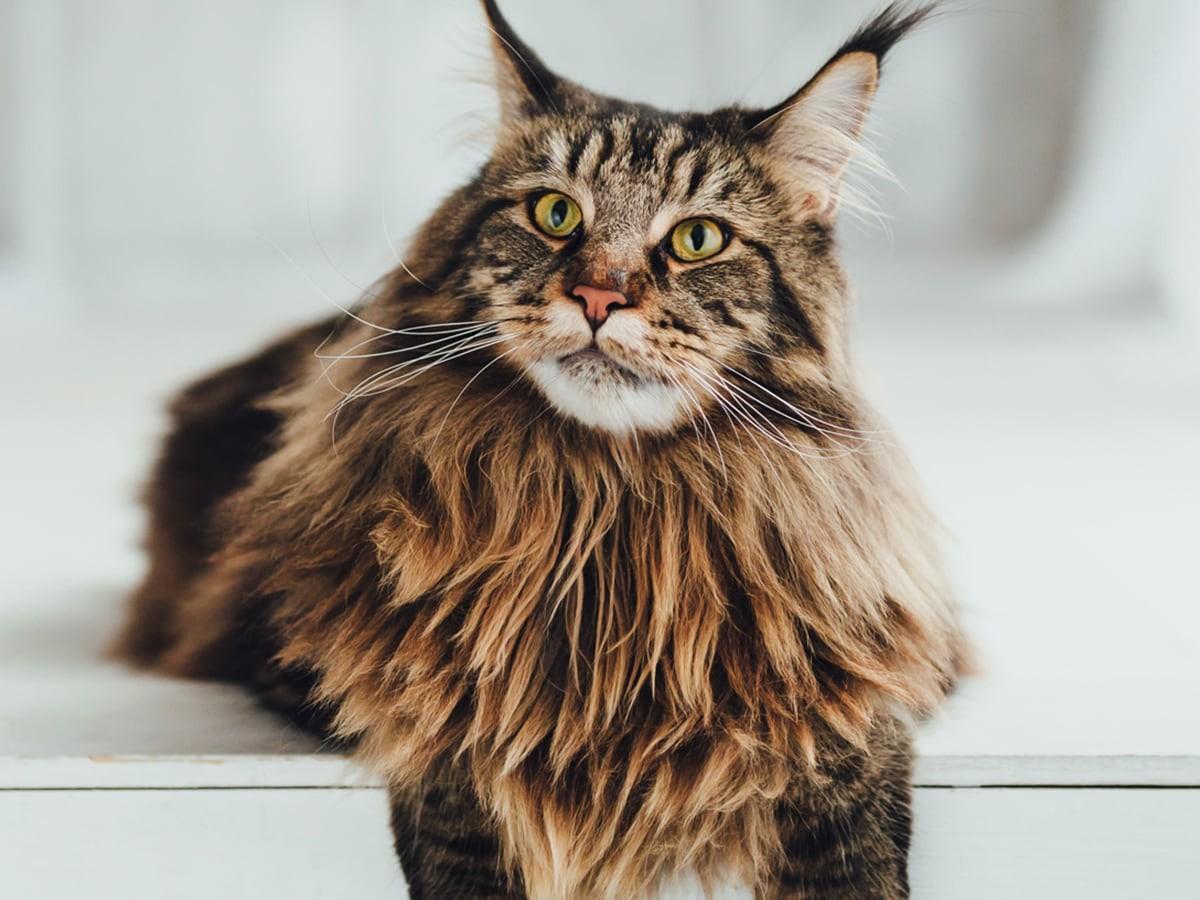
Hypertrophic cardiomyopathy (common in Maine Coons)
Other breed-specific hereditary disorders
Dental illness:
Dental disease requiring treatment (not routine cleanings)
Tooth extractions due to disease
Alternative therapies (varies by plan):
Acupuncture
Chiropractic care
Physical therapy
For more on plan options and average monthly costs by age and breed, see how much is cat insurance.
What Cat Insurance Does Not Cover
Regardless of plan type, most cat insurance policies exclude the following:
Pre-existing conditions — Any condition diagnosed or showing symptoms before your policy's effective date. Curable conditions (like certain infections) may become eligible after a symptom-free waiting period; incurable conditions (diabetes, hyperthyroidism, kidney disease once diagnosed) are typically permanently excluded.
Routine and preventive care — Annual wellness exams, vaccinations, flea/tick prevention, and heartworm prevention are not included in standard plans.
Elective and cosmetic procedures — Declawing, cosmetic surgery, and procedures not medically necessary.
Pregnancy and breeding — Pregnancy-related expenses and breeding costs.
Routine dental cleanings — Preventive dental cleanings are excluded; dental illness (disease, infection requiring treatment) is generally covered under A&I plans.
Experimental treatments — Procedures not yet established as standard veterinary care.
The most significant exclusion for most cat parents is pre-existing conditions. Enrolling your cat while healthy — before any conditions are diagnosed — is the most effective way to protect against coverage gaps. See pre-existing conditions in pet insurance for how the classification works across different policy types.
Optional Preventive Care Add-Ons
Most insurers offer an optional wellness or preventive care add-on that helps extend coverage to routine services not included in standard plans.
Typically covered by preventive care add-ons:
Annual wellness exams
Core vaccinations
Flea, tick, and heartworm prevention
Dental cleanings (routine)
Spay or neuter procedures
Routine blood work and fecal testing
Preventive care add-ons cost extra per month and are purchased in addition to your base plan. Whether the add-on pays for itself depends on how many routine services your cat needs in a given year and what the add-on specifically covers. See is pet wellness coverage worth it for a cost-benefit breakdown.
Which Cat Insurance Plan Is Right for Your Cat?
For most cats, accident and illness coverage is the more appropriate choice. Cats are disproportionately prone to illness — urinary tract issues, dental disease, hyperthyroidism, and kidney failure are among the most common diagnoses in adult and senior cats, and none of them are covered under accident-only plans.
Consider accident-only coverage if:
Your primary concern is catastrophic injury protection with minimal monthly cost
Your cat is young, low-risk, and you have a financial cushion for illness-related bills
Consider accident and illness coverage if:
Your cat is a breed with documented hereditary risks
Your cat is approaching middle age or senior years (when illness risk rises)
You want broad protection for the full range of conditions a cat can develop
Add preventive care coverage if:
Your cat has multiple annual vet visits (kittens, seniors, cats on monitoring plans)
The specific services the add-on covers align with your cat's routine care schedule
Frequently Asked Questions
Does cat insurance cover dental illness?
Accident and illness plans typically cover dental illness — including dental disease, infections, and tooth extractions required for medical reasons. Routine preventive dental cleanings are usually excluded from base plans but can be covered by an optional wellness add-on. If dental coverage is a priority, confirm that the plan you choose includes dental illness before enrolling.
Does cat insurance cover cancer?
Yes — most accident and illness plans cover cancer diagnosis, treatment, surgery, chemotherapy, and related diagnostics. Cancer is one of the most significant covered conditions under A&I plans given the cost of treatment. Accident-only plans do not cover cancer.
Are chronic conditions like kidney disease covered?
Chronic conditions diagnosed after your policy's effective date are generally covered under accident and illness plans. Conditions that existed before enrollment are classified as pre-existing and excluded. For cats who develop kidney disease, diabetes, or hyperthyroidism while insured, ongoing treatment costs can typically be claimed under a continuous A&I policy.
Does cat insurance cover indoor cats?
Yes — indoor cats are insurable and often benefit from coverage. Many of the most common feline health conditions, including urinary blockages, dental disease, hyperthyroidism, and cancer, develop regardless of indoor/outdoor status. Indoor cats face lower injury risk but similar illness risk to outdoor cats.
The right pet insurance plan should help support your pet through both unexpected accidents and health needs. Understanding what's included in your policy can help you choose coverage that fits your pet's lifestyle.
Spot Pet Insurance offers accident and illness coverage to help reimburse eligible costs related to covered injuries, illnesses, diagnostics, and treatment. Pet parents can also add optional preventive care coverage for routine services like annual exams, dental cleanings, and certain vaccines. Learn more about what pet insurance covers or get a free quote.

Creative manager by day, pet enthusiast all the time! After 19 years with my dog (hopefully he wins the award for oldest pet in the world), I enjoy spending my days brainstorming tail-wagging content, and sniffing out the latest trends in the pet world.
Insurify. "How Much Is Pet Insurance in 2026? Average Costs for Dogs and Cats." Insurify. Updated May 31, 2026. https://insurify.com/pet-insurance/average-pet-insurance-cost/