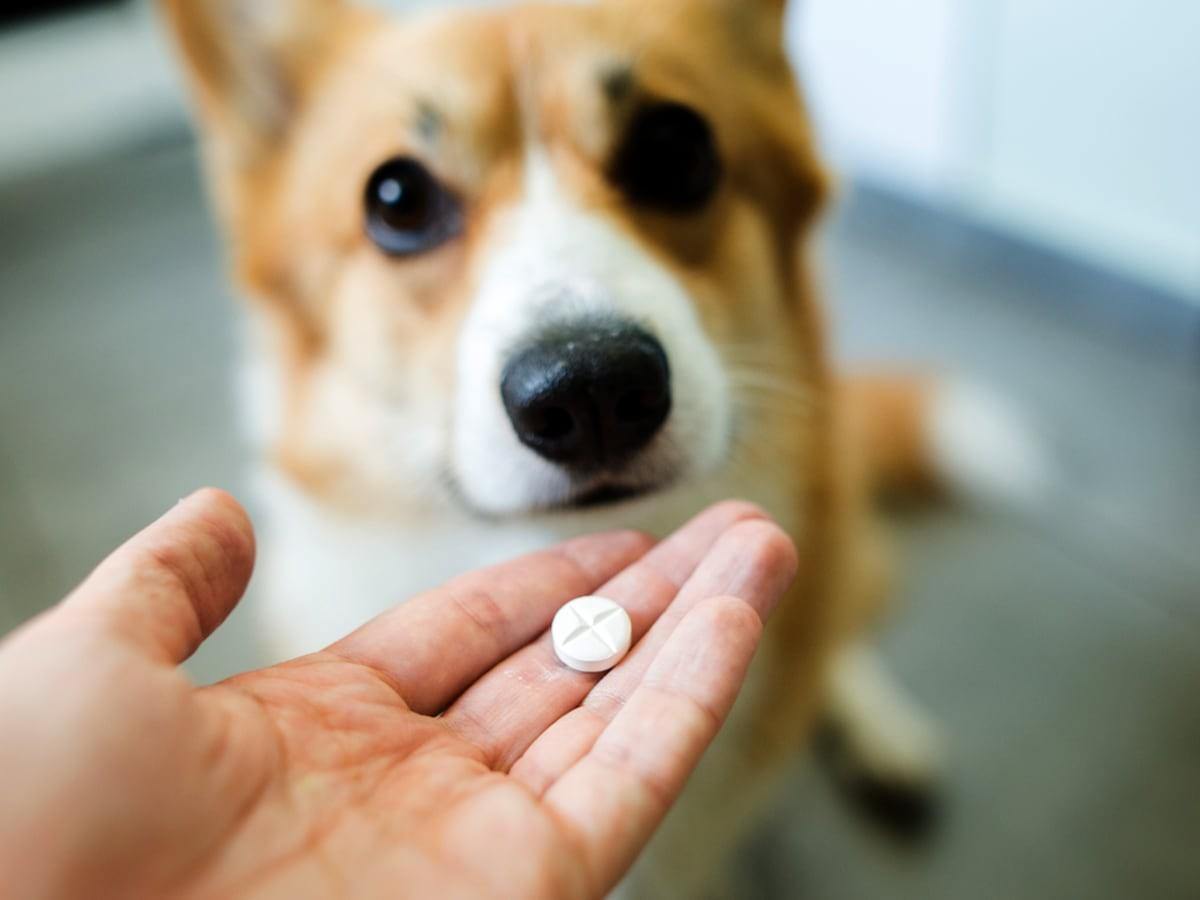
Yes, pet insurance¹ can help cover prescription medications when prescribed by a licensed veterinarian to treat a covered condition. With nearly 75% of pet owners reporting some level of burden from prescription medication costs² and veterinary pharmaceutical spending reaching $53 billion in 2024³, understanding how medication coverage works can help pet parents plan for their pets’ healthcare needs.
Can Pet Insurance Help Cover Medication Costs?
Pet insurance plans can help cover the cost of prescription medications, but coverage depends on several factors:
The medication must be prescribed by a licensed veterinarian
The medication must treat a condition covered under your plan
The condition must not be pre-existing
For example, if your dog develops an ear infection after coverage begins, the antibiotics your veterinarian prescribes to treat that infection can typically be covered. Similarly, if your cat is diagnosed with hyperthyroidism and needs daily medication, an accident and illness plan can help cover those prescription costs.
How Pet Insurance Medication Coverage Works
Accident-Only Plans
With an accident-only plan, medications prescribed to treat covered accidents can be eligible for reimbursement. This might include:
Pain medications after an injury
Antibiotics for wound infections
Anti-inflammatory drugs following trauma
Accident and Illness Plans
Accident and illness plans typically provide broader medication coverage. These plans can help cover prescriptions for:
Infections (bacterial, fungal, viral)
Chronic conditions like diabetes or thyroid disorders
Allergies and skin conditions
Digestive issues
Cancer treatments
According to the North American Pet Health Insurance Association⁴, 7.03 million pets were insured in North America at the end of 2024—a 12.2% increase from the previous year—as more pet parents recognize the value of coverage for unexpected veterinary expenses.
Which Medications Are Typically Not Covered?
Understanding what's excluded can be just as important as knowing what's covered. Pet insurance plans typically do not cover:
Preventive Medications
Medications designed to prevent conditions rather than treat them are usually not covered under base accident or accident and illness plans. These include:
Heartworm preventives
However, many pet insurance providers, including Spot, offer preventive care add-ons that can help cover the eligible costs of these preventive medications.^
Pre-Existing Condition Medications
Pre-existing conditions are illnesses or injuries that occurred or showed symptoms before your pet's coverage began or during a waiting period. Medications to treat pre-existing conditions are typically excluded from coverage.
Some insurers, including Spot, may help cover cured and curable pre-existing conditions after your pet has been symptom-free and treatment-free for at least 180 days. Knee and ligament injuries are an exception to this rule.
Over-the-Counter (OTC) Medications
OTC medications purchased without a veterinary prescription are usually not eligible for coverage. This is partly because:
They weren't prescribed by a licensed veterinarian
Proper diagnosis wasn't established
Dosing may not be appropriate for your pet
Your veterinarian can provide personalized recommendations for your pet's specific health needs.
What Else Can Spot Pet Insurance Plans Help Cover?
Beyond prescription medications, Spot Pet Insurance plans can help cover the eligible costs of:
Prescription Food and Supplements
When your veterinarian prescribes therapeutic food or supplements to treat a covered condition—not for general health or weight maintenance—Spot plans can help cover those costs.
Alternative Therapies
Some pets benefit from alternative treatments like acupuncture, hydrotherapy, or stem cell therapy. Both Spot's accident-only and accident and illness plans can help cover the eligible costs of these treatments when performed by a licensed veterinarian to treat a covered condition.
IV Fluids and Hospital Stays
IV fluids to keep pets hydrated during surgery or treatment for covered conditions can be covered under Spot plans, along with hospitalization costs.
Hereditary and Congenital Conditions
Conditions like hip dysplasia, lymphoma, and patellar luxation can be covered under Spot plans, provided they are not pre-existing.
Why Medication Coverage Matters
The financial impact of pet medications continues to grow. Consider these statistics:
Over 30% of pet owners spend more than $500 annually on veterinary care²
Veterinary service costs rose 7.5% year over year in 2023, following an 8.8% increase in 2022⁵
42% of Millennial and Gen Z pet parents are concerned about prescription medication costs²
16% of pet owners have lost a pet due to the inability to afford veterinary care²
Having pet insurance that helps cover prescription medications can provide a sense of financial security when facing unexpected veterinary expenses. Learn more about how to submit a pet insurance claim and how much pet insurance covers.
The Bottom Line
Pet insurance can help cover prescription medications when they're prescribed by a licensed veterinarian to treat covered conditions. While preventive medications, pre-existing condition treatments, and OTC medications are typically excluded from base plans, preventive care add-ons can extend coverage for routine medications like heartworm and flea/tick preventives.^
With nearly half of all dogs and cats receiving daily medications, understanding your coverage options can help you make informed decisions about your pet's healthcare.
When the unexpected happens, you shouldn't have to choose between your pet and your finances. Here's how Spot showed up for real families when it mattered most.

The resident animal enthusiast at Spot. I have a lifetime of pet parent experience. If it has fur, feathers, or scales, I’ve probably shared my home with it. I aim to be a reliable source, blending experience with a dedication to the well-being of pets.
1. Spot Pet Insurance. "Pet Insurance for Dogs and Cats." Spot Pet Insurance, 2025. https://spotpet.com
2. Capital One Shopping. "Pet Spending Statistics (2025): Total Amount Spent per Year." Capital One Shopping Research, 2025. https://capitaloneshopping.com/research/pet-spending-statistics/
3. Straits Research. "Veterinary Pharmaceutical Drugs Market Size & Demand 2033." Straits Research, 2024. https://straitsresearch.com/report/veterinary-pharmaceutical-drugs-market
4. North American Pet Health Insurance Association. "State of the Industry Report 2025." NAPHIA, 2025. https://naphia.org/industry-data/
5. Bureau of Labor Statistics. "Consumer Price Index - Veterinary Services." BLS, 2024. https://www.bls.gov/cpi/
^Exam fees for wellness or annual exams are not covered unless you have purchased the optional preventive care coverage.