
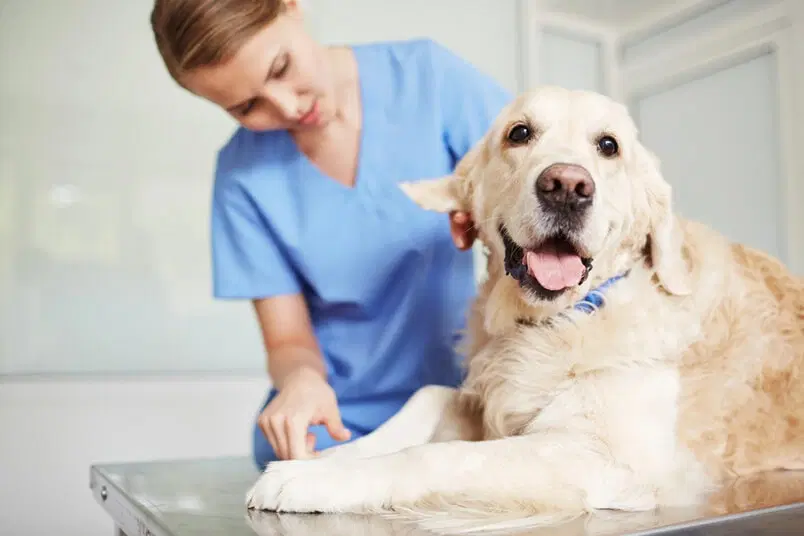
According to Pew Research, nearly all pet parents (97%) say that they view their pets as a part of their family.1 Another study found that 16% of respondents thought of their pets as “furry kids.”2
These figures underscore the growing importance the pet industry and humans place on their four-legged companions’ health and quality of life. As a pet parent, you likely already treat your pets like family when making decisions about what they eat, where they stay when you’re on vacation, and how you keep them healthy and happy.
This post explores recent pet industry trends and how you can incorporate them into your daily pet care routines, whether that’s by testing new technology or using pet insurance to stay up-to-date on preventative care.
1. More emphasis on health and wellness.
Because more pet parents are treating their pets as true family members, the pet industry is emphasizing products and practices that promote long-term health and wellness. This trend impacts everything from diet to specialty accessories, leading to:
Rising demand for healthy pet food. Pet parents are seeking fresh, minimally processed pet food. Fresh, frozen, and even raw foods are on the rise, along with specialty diets (e.g., skin health or sensitive stomach diets).
Premium wellness products. Pet supplements are also trending as a way to fill gaps in nutrition and proactively address health issues. Parents are also investing more in preventative care, such as dental care or regular diagnostic screenings.
Increased spending on pets’ comfort. Pets continue to be treated more like family members, motivating their parents to spend more to prioritize their comfort, grooming, and even aesthetics (e.g., visually-appealing cat trees or dog toys).
More holistic pet health practices. This trend emphasizes the importance of both physical and mental health, promoting products and routines that can mitigate problematic behaviors or anxiety. For instance, Gingr’s guide to kennel management urges dog daycares to focus on practices like sanitation and nutrition, as well as offering dogs mentally enriching activities and downtime.
Interacting with animals has also been proven to decrease cortisol levels, reduce feelings of loneliness, and boost moods in humans.3 Pet parents are recognizing the positive impacts pets have on their own health, such as teaching them to be more present or helping them get outside more. In response, they’re investing more in supporting their furry companions.
2. The value of preventative care.
The increased emphasis on health and wellness naturally leads pet parents and businesses to value preventative care more. As our guide to preventative care outlines, regular veterinary examinations, adhering to a vaccination schedule, preventing parasites, providing balanced nutrition and exercise, and maintaining pets’ oral health make up the foundation of preventative care.
However, these practices can make pet ownership more expensive. To combat the costs of additional vet visits, more pet parents are choosing to purchase pet insurance. These policies cover unexpected vet bills, offer round-the-clock access to telehealth hotlines, and can be customized to fit your unique circumstances. The goal is to alleviate any financial burdens that could keep you from providing the best care for your pet.
Following these preventative measures can, in turn, reduce pet care costs and enhance their overall health in the long run. For example, keeping your pet at a healthy weight through diet and exercise can prevent them from developing a condition like diabetes, which requires ongoing treatment. Or, you might catch and treat dental disease early and avoid costly surgeries.
3. Technology and health monitoring.
This trend is also tied to the ever-growing concern with pets’ health and wellness. These trending technologies are used to monitor pets’ physical health indicators (e.g., heart rate, sleep quality, activity levels) and behaviors. Popular types include:
Wearable smart collars or other trackers that monitor vitals, sleep, location, activity, etc.
Smart feeders that automate feeding schedules, control portion sizes, notify when food levels are low, etc.
Automatic litter boxes that autoclean and monitor usage to detect early signs of urinary tract issues or other health problems.
Pet cameras and remote monitoring systems that can detect barking, pacing, or unusual behavior.
For instance, let’s say you start to notice your dog shaking or trembling. While this often happens for harmless reasons, it can be concerning for pet parents. In addition to setting up a check-up with your vet, you also use a smart collar and remote monitoring system to watch for any signs of anxiety, pain, or neurological issues.
4. Changing roles for pet-care services.
Pet parents aren’t the only ones adapting to these trends. Pet-care businesses often serve as secondary caregivers or your pets’ “home away from home,” and they deeply value your pets’ well-being. If you’re in the market for a new dog groomer, trainer, or boarding facility, look out for these green flags that show they’re up-to-date on current trends:
Tech literacy: The business uses technology for transparency and convenience (e.g., online bookings, offering a livestream of their facility).
Wellness add-ons: For services like grooming, the business offers extras like skin assessments, nail care, deshedding treatments, etc.
Premium or personalized services: A dog trainer might provide tailored plans based on the dog’s unique needs, history, and health or behavioral issues. Or, a groomer might provide breed-specific cuts that enhance skin and coat health.
Emphasis on pet comfort: The business structures its practices around pets’ comfort and mental well-being. For example, a dog daycare might offer a healthy mix of group play areas and quiet rest spaces.
Sustainable practices: The business aims to lessen its carbon footprint by using biodegradable products, conserving water, etc.
As always, remember to confirm that the business holds any necessary certifications and third-party accreditations. Check online reviews to see what real customers think and how the business addresses customer complaints.
These pet industry trends make one thing clear: pet parents are demanding more for their furry family members. Pet nutrition, health, and technology are more advanced than ever, and pet-care businesses are focused on delivering the best quality of services possible. Moving forward, evaluate your own pet-care routine, identify new ways to put your pet’s health first, and stay curious about what service providers are doing to promote pets’ health.

Creative manager by day, pet enthusiast all the time! After 19 years with my dog (hopefully he wins the award for oldest pet in the world), I enjoy spending my days brainstorming tail-wagging content, and sniffing out the latest trends in the pet world.
Brown, Anna. 2023. “About half of U.S. pet owners say their pets are as much a part of their family as a human member.” Pew Research Center, July 7, 2023. https://www.pewresearch.org/short-reads/2023/07/07/about-half-us-of-pet-owners-say-their-pets-are-as-much-a-part-of-their-family-as-a-human-member/.
Kubinyi, Eniko. 2025. "The Link Between Companion Dogs, Human Fertility Rates, and Social Networks." Current Directions in Psychological Science, March 2025. https://journals.sagepub.com/doi/10.1177/09637214251318284.
NIH News in Health. 2018. “The Power of Pets: Health Benefits of Human-Animal Interactions.” NIH News in Health, February 2018. https://newsinhealth.nih.gov/2018/02/power-pets.