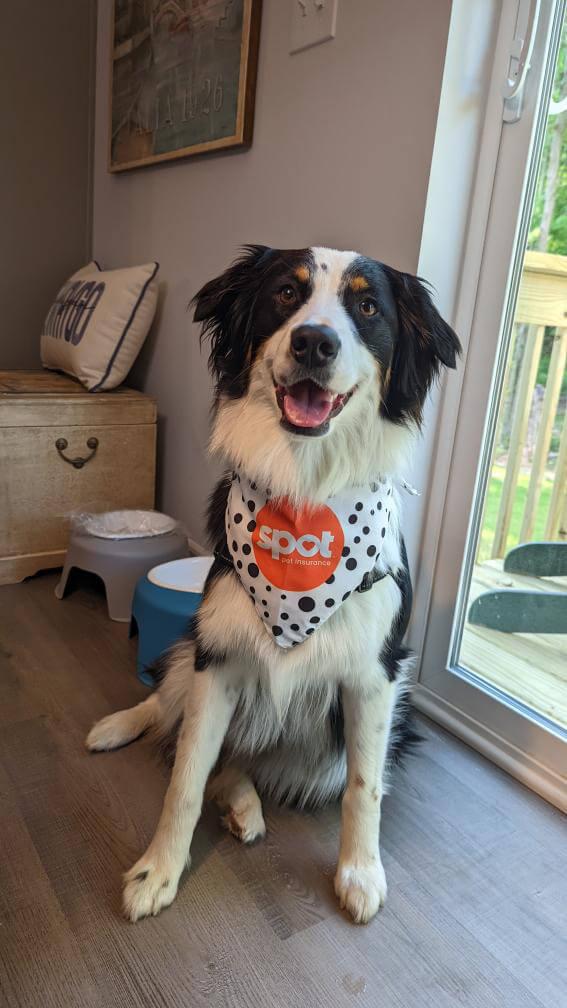

Adding a second dog to your household brings twice the joy—and twice the responsibility. Whether you're a DINKWAD household (Dual Income, No Kids, With A Dog) looking to expand your pack or simply ready for more canine companionship, understanding both the practical management challenges and financial implications helps set everyone up for success.
Beyond the initial adjustment period, multi-dog households face ongoing costs that can strain budgets without proper planning. This guide covers everything from choosing the right second dog to managing veterinary expenses with multi-pet insurance.
How Much Does a Second Dog Cost?
Before bringing home another dog, understand the financial commitment. According to ValuePenguin's 2024 pet spending study¹, dog owners spend an average of $1,248 annually per dog, broken down as:
Expense Category | Annual Cost1 |
|---|---|
Veterinary services | |
Food | |
Products (beds, toys, supplies) | |
Other services (grooming, boarding) | |
Total per dog | $1,248 |
For larger dogs, costs increase substantially. Giant breeds can cost $3,300+ annually compared to $1,800 for small dogs²—a difference that multiplies with each additional pet.
Veterinary Costs Are Rising
Vet costs rose 7.1% between April 2023 and April 2024¹—the largest increase in pet-related expenses during that period. For multi-dog households, this trend makes financial planning essential. Routine visits average $285 per dog, while surgical visits can reach $540 or more¹.
How Can Multi-Pet Insurance Help?
Pet insurance becomes increasingly valuable as your household grows. With veterinary costs climbing¹ and emergency care ranging from $500 to $5,000+ per incident, covering multiple dogs without insurance creates significant financial risk.
Multi-Pet Discounts Explained
Many pet insurance providers offer discounts when you insure multiple pets:
5% discount: Industry standard minimum
10% discount: Premium tier, offered by select insurers including Spot Pet Insurance
Shared deductible options: Some providers offer family plans where one deductible helps cover all pets
According to the North American Pet Health Insurance Association³, the average annual premium for accident and illness coverage was $675.61 for dogs in 2023. A 10% multi-pet discount saves approximately $67 per additional dog annually.
How Spot's Multi-Pet Discount Can Help
Spot Pet Insurance offers a 10% multi-pet discount on every pet after your first:
Automatic savings: The discount applies at checkout when adding pets
Individual policies: Each pet has a separate policy, allowing customized coverage
No coverage compromise: Full accident and illness protection for each dog
Consolidated management: Track all pets from one online portal or app
With each dog having its own policy, you can adjust deductibles, reimbursement rates (up to 90%), and annual limits based on individual needs. A young, healthy dog might need different coverage than an older pet with breed-specific health risks.
Managing a Multi-Dog Household
Once your dogs are comfortable together, ongoing management prevents problems.
Feeding Guidelines
Food is the most common trigger for multi-dog conflict:
Separate feeding stations: Feed dogs in different rooms or opposite corners
Pick up bowls: Remove food dishes after meals to prevent guarding
High-value treats separately: Give bones, chews, and special treats in crates
Monitor body language: Watch for stiff postures or hard stares during feeding
Exercise and Enrichment
Multiple dogs need adequate physical and mental stimulation:
Individual walks allow one-on-one bonding and prevent leash reactivity between housemates
Group play sessions burn energy while reinforcing pack bonds
Mental enrichment like puzzle feeders reduces boredom-related conflicts
Training time with each dog separately maintains individual skills and attention
Space and Resources
Prevent competition by providing abundant resources:
Multiple water bowls in different locations
Separate sleeping areas: Each dog needs their own bed or crate
Enough toys: Rotate toys to maintain interest without scarcity
Individual attention: Schedule one-on-one time with each dog daily
Troubleshooting Common Issues
Even well-matched dogs encounter challenges.
Sibling Rivalry
If dogs compete for attention or resources:
Increase individual time with each dog
Reward calm behavior in each other's presence
Ensure neither dog monopolizes your attention
Consider professional help if conflicts escalate
Regression in Training
New dogs sometimes cause behavioral regression in resident pets:
Maintain established routines as much as possible
Reinforce training with both dogs separately
Be patient—adjustment takes time
Don't punish regression; redirect to appropriate behaviors
When to Seek Professional Help
Contact a certified animal behaviorist or veterinary behaviorist if you observe:
Repeated aggressive incidents
Injuries from dog-on-dog altercations
Extreme anxiety or depression in either dog
Resource guarding that doesn't improve with management
Preparing Financially for Multiple Dogs
Beyond daily expenses, multi-dog households should plan for emergencies and ongoing care.
Build an Emergency Fund
With multiple dogs, unexpected vet bills multiply. Consider:
An emergency fund for unexpected vet expenses (financial advisors typically recommend several months of potential costs)
Pet insurance to help reduce catastrophic expense risk
Care Credit or similar financing as a backup option
Maximize Insurance Value
When choosing pet insurance for multiple dogs:
Compare multi-pet discounts: 5-10% savings add up across multiple policies
Consider individual needs: Customize coverage based on breed, age, and health history
Calculate total household costs: Factor in deductibles, premiums, and reimbursement rates
Review annual limits: Ensure coverage accommodates potential claims for all pets
Spot's Accident & Illness plans offer up to 90% reimbursement, unlimited annual limit options, and the 10% multi-pet discount—making comprehensive coverage more affordable for growing families.
Frequently Asked Questions
How long does it take for two dogs to get along?
Many dogs need 2-4 weeks to establish a comfortable relationship, though some pairings take several months. Success depends on proper introductions, individual temperaments, and consistent management during the transition period.
Is pet insurance worth it for multiple dogs?
Yes, especially as veterinary costs rise. The average dog owner spends $387 annually¹ on routine vet care—but surgical visits can cost $540 or more¹. Multi-pet discounts (5-10%) make coverage more affordable, and having all dogs insured helps prevent difficult decisions during emergencies.
Should I get a puppy or an adult dog as a second pet?
Adult dogs often integrate more smoothly because their temperaments are established. Puppies require significant training investment and may overwhelm older resident dogs. Consider your current dog's energy level and your capacity for puppy-specific care.
Do dogs get jealous of new dogs?
Dogs can exhibit attention-seeking behaviors resembling jealousy. Prevent issues by maintaining your existing dog's routines, providing individual attention to each pet, and avoiding favoritism in your interactions.

With 10 years of experience as a pet parent, I aim to empower pet owners with insights into pet insurance and maintaining their pet's well-being. I aspire to be a trusted source, combining knowledge with a commitment to the welfare of our beloved pets.
ValuePenguin. "Average Spending per Pet Household Estimated to Be $1,733 in 2024, Led by Vet Costs." ValuePenguin, 2024. https://www.valuepenguin.com/pet-spending-study
American Kennel Club. "The Cost of Owning a Dog." AKC, 2024. https://www.akc.org/press-center/articles-resources/facts-and-stats/cost-owning-dog/
North American Pet Health Insurance Association. "Section 3: Average Premiums." NAPHIA Industry Data, 2024. https://naphia.org/industry-data/section-3-average-premiums/