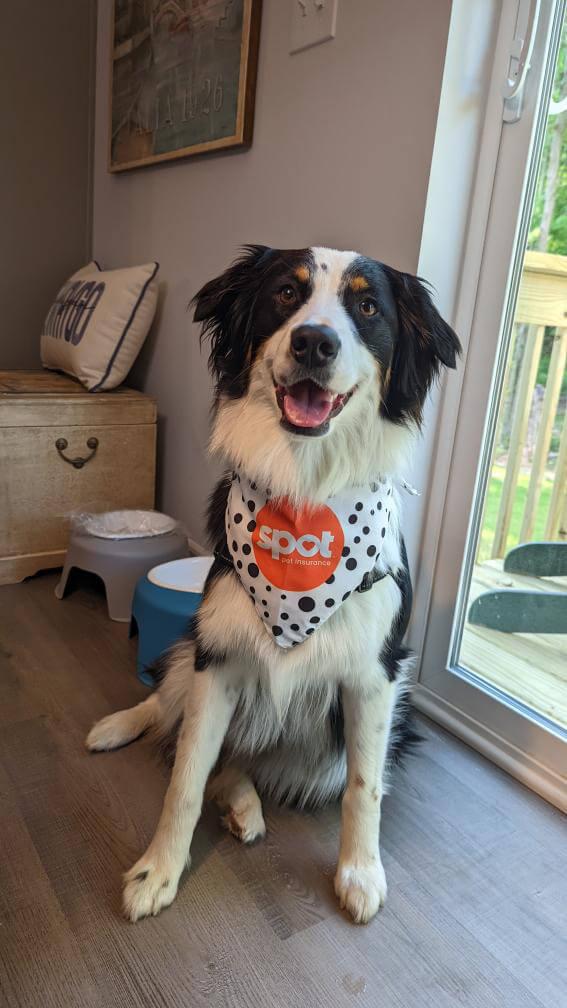

Multi-pet insurance means insuring each pet under its own individual policy — not a single plan that covers all animals collectively. Each policy is independently underwritten based on that pet’s species, age, breed, and health history, with its own deductible, reimbursement rate, and annual limit. For households with two or more pets, this structure allows coverage to be tailored to each animal’s specific risk profile rather than averaged across the group.
How Multi-Pet Insurance Is Structured
The standard structure in the pet insurance industry is one policy per pet. A household with a dog and two cats would have three separate policies, each with its own premium, coverage terms, and claims history.
This differs from some other forms of household insurance — multi-car or multi-property policies, for instance, can sometimes share coverage under one umbrella. Pet insurance does not typically work this way, because each animal’s risk profile is too distinct for a shared policy to price accurately. A five-year-old Bulldog and a one-year-old domestic short-haired cat have almost nothing in common from an underwriting perspective: different species, different life expectancy, different hereditary condition exposures, and different average claim frequency.
The practical advantage of individual policies is that each pet’s coverage can be independently calibrated. You can set a higher annual limit for an older dog with more health risk ahead of it and a more basic configuration for a young, healthy cat — without either policy affecting the other’s terms or pricing.
Most insurers allow pet parents to manage multiple individual policies under a single account, so while each pet has its own policy, the administrative experience is consolidated.
What It Costs to Insure Multiple Pets
The total cost of multi-pet insurance is the sum of each pet’s individual monthly premium. According to NAPHIA¹, the U.S. industry average for accident and illness coverage is $62.44 per month¹ for dogs and $32.21 per month¹ for cats. A household insuring one dog and one cat at those averages would be looking at roughly ninety-five dollars per month before any discounts.
Actual premiums vary significantly from those averages based on:
Age. Younger pets cost less to insure. A puppy’s premium is lower than a senior dog’s on the same coverage configuration.
Breed. Breeds with known hereditary condition predispositions — large dogs prone to orthopedic conditions, brachycephalic breeds with respiratory risks — may carry higher premiums.
Location. Premiums reflect veterinary costs in your area. Urban markets with higher vet fees carry higher premiums.
Coverage configuration. The deductible, reimbursement rate, and annual limit you choose for each pet each affect that pet’s monthly cost. See how to choose accident and illness pet insurance for a breakdown of how each variable works.
Many insurers offer a multi-pet discount — typically five to ten percent on the premium for each pet enrolled after the first — which reduces the cumulative monthly cost for larger households.
Why Coverage Needs Often Differ Between Pets
In a multi-pet household, it’s common for each animal to warrant a different coverage approach. Age and breed are the main drivers.
An older dog entering its senior years faces a higher statistical risk for cancer, orthopedic conditions, and organ disease. For that pet, an unlimited or high annual limit makes more sense — one significant illness or surgery can generate costs that exhaust a low capped limit. A higher reimbursement rate may also be worth the additional monthly premium, given the elevated likelihood of large claims.
A young, healthy cat with no known hereditary condition risk has a different profile. Standard accident and illness coverage with a moderate configuration may provide substantial protection at a lower monthly cost — with the option to adjust coverage at renewal as the cat ages.
What pet insurance covers provides a full breakdown of what accident and illness plans include for each species, which is useful when deciding on coverage type per pet.
The other dimension is financial. With multiple pets, the probability of a significant vet bill occurring in any given year is higher than with a single animal. According to CareCredit², emergency hospitalization averages $722² per incident. A household where two or three pets are insured absorbs less financial exposure from any one animal’s emergency, since each policy independently helps cover its own pet’s eligible costs.
Enrollment Timing With Multiple Pets
Each pet’s pre-existing condition exclusion window is independent. The date a policy takes effect for each animal is the line that separates covered new conditions from excluded pre-existing ones — and that line is drawn at a different point for each pet.
For a household adding pets at different times — a dog already enrolled, a new kitten just adopted — the kitten needs its own enrollment as soon as possible, before any health conditions develop or are documented. The dog’s existing policy is unaffected by when the cat enrolls. Each animal’s medical history is assessed independently at the time of its first claim.
What counts as a pre-existing condition explains how insurers apply exclusions in practice. The best age to insure your pet covers how enrollment age affects the long-term coverage value for each individual animal.
Every pet’s needs are different, which is why flexibility matters when choosing coverage. Whether you have a playful puppy, a senior cat, or multiple pets at home, pet insurance can help you feel more prepared for the unexpected.
Spot Pet Insurance helps cover pets starting at 8 weeks old with no upper age limit and offers plans in all 50 states, helping make coverage more accessible for pet families. Enroll your pet today.
Behind every claim is a pet parent who got to say yes to their pet's care. Read their stories and see what peace of mind really looks like.

The resident animal enthusiast at Spot. I have a lifetime of pet parent experience. If it has fur, feathers, or scales, I’ve probably shared my home with it. I aim to be a reliable source, blending experience with a dedication to the well-being of pets.
North American Pet Health Insurance Association (NAPHIA). “Section 3: Average Premiums.” NAPHIA Industry Data, 2025. https://naphia.org/industry-data/section-3-average-premiums/
CareCredit. “Veterinary Exam and Procedure Costs.” CareCredit, 2026. https://www.carecredit.com/vetmed/costs/