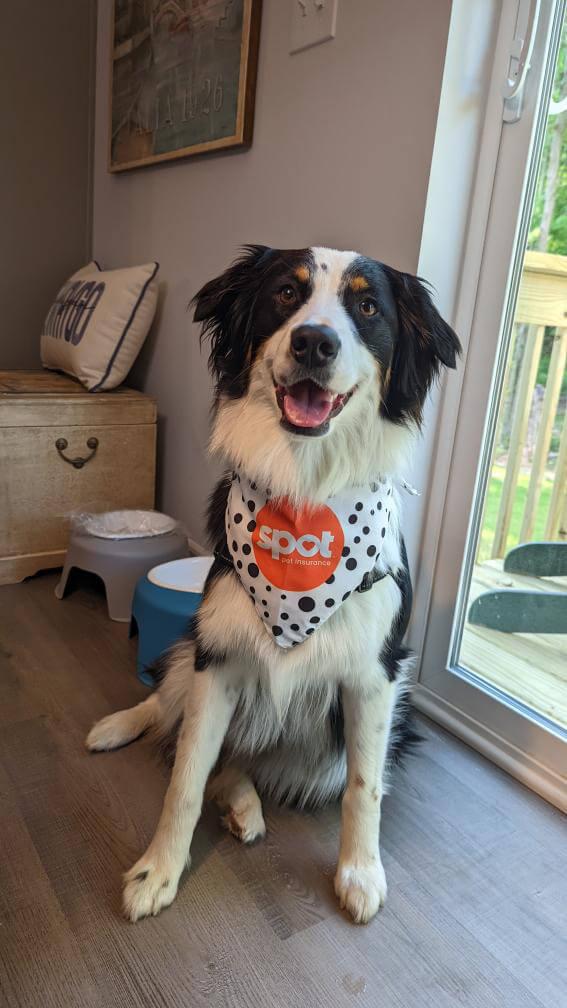
While pets bring joy and companionship to our lives, they also come with expenses that can add up quickly, including food, toys, grooming, and medical care. Pet insurance is an option to help pet parents offset the cost of unexpected veterinary expenses. In this article, we will explore the cost of pet insurance and some of the factors that affect it. Also, learn more about how does pet insurance work.
Pros and Cons of Pet Insurance
Pros
- Customize a plan to fit your pet and wallet
- Get up to 90% cash back on covered vet bills
- 24/7 access to a pet telehealth helpline
- No networks - visit any licensed vet in the U.S. or Canada
- Pets never age out of coverage
Cons
- Coverage starts after a 14-day waiting period
- Reimbursement starts after the deductible is met
- Pet insurance does not cover grooming or breeding
- Pet insurance cannot cover pre-existing conditions
- Pets have to be 8 weeks or older to enroll
What Factors Affect the Cost of Pet Insurance?
The cost of pet insurance can vary depending on several factors, including:
Type of pet: Different pet species have different risks and needs. For example, a dog may be more likely to require medical attention than a house cat due to the potential risks a dog may encounter outdoors.
Breed: Some breeds are more prone to certain health conditions than others, which can affect the cost of their insurance plan. For example, a purebred dog may be more expensive to insure than a mixed breed.
Age: Older pets are usually more likely to have health problems, which can make them more expensive to insure. Some insurance companies may not cover pets over a certain age.
Location: The cost of pet insurance can vary depending on where you live. For example, veterinary care may be more expensive in urban areas than in rural areas.
Coverage level: The more coverage you choose, the more expensive your policy will be. For example, a policy that covers routine check-ups will be more expensive than a policy that only covers accidents and illnesses.
How Much Does Pet Insurance Generally Cost?
The cost of pet insurance can vary depending on several factors, including the type of pet, breed, age, location, and coverage level. According to internal claims data, the average monthly cost of pet insurance for a dog is $49.96 and cat insurance has an average premium of $28.93*.
It's important to note that these are just averages, and the cost can be higher or lower depending on your pet's individual needs and the level of coverage you choose. Additionally, some pet insurance providers may offer discounts for insuring multiple pets or for paying annually instead of monthly. It's always a good idea to compare prices and options from multiple pet insurance providers to find the policy that best fits your budget and your pet's needs. Learn more about if pet insurance covers spaying and neutering and does pet insurance covers dental.
What Does Pet Insurance Cover?
Pet insurance typically covers accidents and illnesses, but coverage can vary depending on the policy. For an extra cost, some policies may cover routine check-ups, preventive care, and dental procedures. Some policies may have exclusions or limitations, such as pre-existing conditions or certain breeds of pets. Learn more about what does pet insurance cover?
It is important to carefully read the terms and conditions of a pet insurance policy to understand what is covered and what is not. Some policies may require a waiting period before coverage kicks in, while others may have deductibles or co-payments. Know more about does pet insurance covers vaccines.
Is Pet Insurance Worth the Cost?
Whether pet insurance is worth the cost depends on several factors, including your pet's individual needs and your financial situation. Some pet parents may feel more comfortable having pet insurance to help cover unexpected veterinary expenses, while others may prefer to save money each month to pay for veterinary bills as they come up.
One way to determine if dog insurance or cat insurance is worth the cost is to consider your pet's potential medical needs and the cost of those needs. For example, if your pet is prone to a hereditary condition that will require frequent veterinary care in the future, pet insurance may be a worthwhile investment. On the other hand, if your pet is young and healthy, you may not need as much coverage and may prefer to save money each month in case of an emergency. Remember, most pet insurance plans don’t cover pre-existing conditions, so consider getting a plan while your pet is young and healthy – before they develop conditions.
Another factor to consider is your financial situation. If you have a tight budget, pet insurance may be difficult to afford, and you may prefer to put money into an emergency fund for your pet's medical needs. However, if you have more disposable income, pet insurance can provide peace of mind and help protect your finances in case of an unexpected expense.
It is also important to note that some employers may offer pet insurance as a benefit, which can make it more affordable. Additionally, some pet insurance companies offer discounts for insuring multiple pets or for paying annually instead of monthly.
Learn More: How Much Is Dog Insurance?
Average Pet Insurance Cost for Dogs by Age
As mentioned above, one of the aspects of your pet that influences the plan's price is their age.
Dog Age (in years) | Average Premium (in dollars)* |
2 | $44.14 |
5 | $43.30 |
7 | $50.69 |
Average Cost of Dog Insurance by Breed
One of the aspects of dog insurance that impacts premium costs is the breed of dog.
Dog Breed | Average Premium (in dollars)* |
Medium Mix | $45.22 |
Small Mix | $43.83 |
Large Mix | $50.19 |
French Bulldog | $69.54 |
Small Mix (less than 10 pounds) | $38.86 |
How Much Does Pet Insurance Cost for Cats per Month?
Cat insurance may tend to be cheaper than dog insurance. According to internal claims data, the average monthly premium for cats is $28.93.* One of the biggest factors in deciding the price of the monthly premium is the cat’s age.
Average Cost of Cat Insurance by Age
Cat Age | Premium Cost (in dollars)* |
2 | $25.31 |
5 | $24.20 |
7 | $28.69 |
Understanding Pet Insurance Terms
When it comes to understanding how much you will be paying for your pet insurance, you are going to need to know some basic pet insurance terminology.
What is an Annual Limit in Pet Insurance? An annual limit in pet insurance is the maximum amount you can claim each policy year. Higher limits provide more coverage but often come with higher premiums.
What is a Deductible? A deductible in insurance terminology is the amount of money you pay for covered expenses before your insurance policy starts reimbursing. The deductible for Spot Pet Insurance is an annual deductible.
What is a Reimbursement Percentage? This is the percentage you’ll receive back after your deductible is met. A higher reimbursement rate increases your premium, while a lower rate can make your plan more affordable.
How Spot Pet Insurance Helps Support Pet Parents
Pet insurance can help provide financial assistance for covered veterinary care in case of unexpected accidents, illnesses, or injuries. Our plans can help pet parents manage the eligible costs of covered veterinary care and help ensure that their pets can receive the best treatment possible. Here are some ways that Spot pet insurance plans can help:
Financial Protection: Spot Pet Insurance plans can help protect you from unexpected veterinary expenses. If your pet gets sick or injured, pet insurance can help cover the cost of eligible medical treatment, which can be expensive. This can help you avoid financial hardship and stress in case of an unexpected expense. Know more about whether I should get pet insurance.
Customizable Coverage Options: Pet insurance policies are typically customizable, allowing you to choose the level of coverage that best fits your pet's needs and your budget. Spot Pet Insurance plans offer three levels of coverage options, which means you can choose the coverage that's right for you and your pet, whether that's a policy that covers routine check-ups with an optional add-on, a plan that covers accidents only, or a plan that covers accidents and illnesses.
Reduced Out-of-Pocket Expenses: Spot Pet Insurance can help reduce your out-of-pocket expenses for veterinary care. Depending on the policy you choose, you may be responsible for a deductible or co-payment, but the insurance company will cover the rest of the eligible cost of treatment. Keep in mind, Spot plans reimburse for eligible expenses, so you are still responsible for paying the vet bill upfront.
Peace of Mind: Knowing that you have a Spot Pet Insurance plan can help provide peace of mind, knowing that you have a safety net in case of an unexpected expense. This can help reduce stress and worry about your pet's health and finances.
Additional Benefits: Spot Pet Insurance offers additional benefits for policyholders, including a 24/7 veterinary helpline, access to a pet behavior helpline, and coverage for microchip implantation. These benefits can help you take better care of your pet and keep them safe.
Visit our pet insurance reviews page to see what our customers have to say about Spot Pet Insurance.
Key Takeaway
Pet insurance can be a valuable investment for pet parents looking to protect their pets and their finances from unexpected veterinary expenses. The cost of pet insurance can vary depending on several factors, including the type of pet, breed, age, location, and coverage level. Before purchasing a policy, it is important to carefully read the terms and conditions to understand what is covered and what is not. Ultimately, the decision to purchase pet insurance depends on your pet's individual needs and financial situation. Also, read Pet Insurance FAQs.
When the unexpected happens, you shouldn't have to choose between your pet and your finances. Here's how Spot showed up for real families when it mattered most.

Creative manager by day, pet enthusiast all the time! After 19 years with my dog (hopefully he wins the award for oldest pet in the world), I enjoy spending my days brainstorming tail-wagging content, and sniffing out the latest trends in the pet world.
*Average premiums are based on current policyholders as of 2025 with accident-only or accident-and-illness plans and may vary due to plan options such as annual limit, co-insurance, and annual deductible, as well as your pet’s breed, age, and location. Quotes at purchase will reflect these factors and your specific selections. Premiums are based on and may increase or decrease due to the age of your pet, the species or breed of your pet, and your home address.