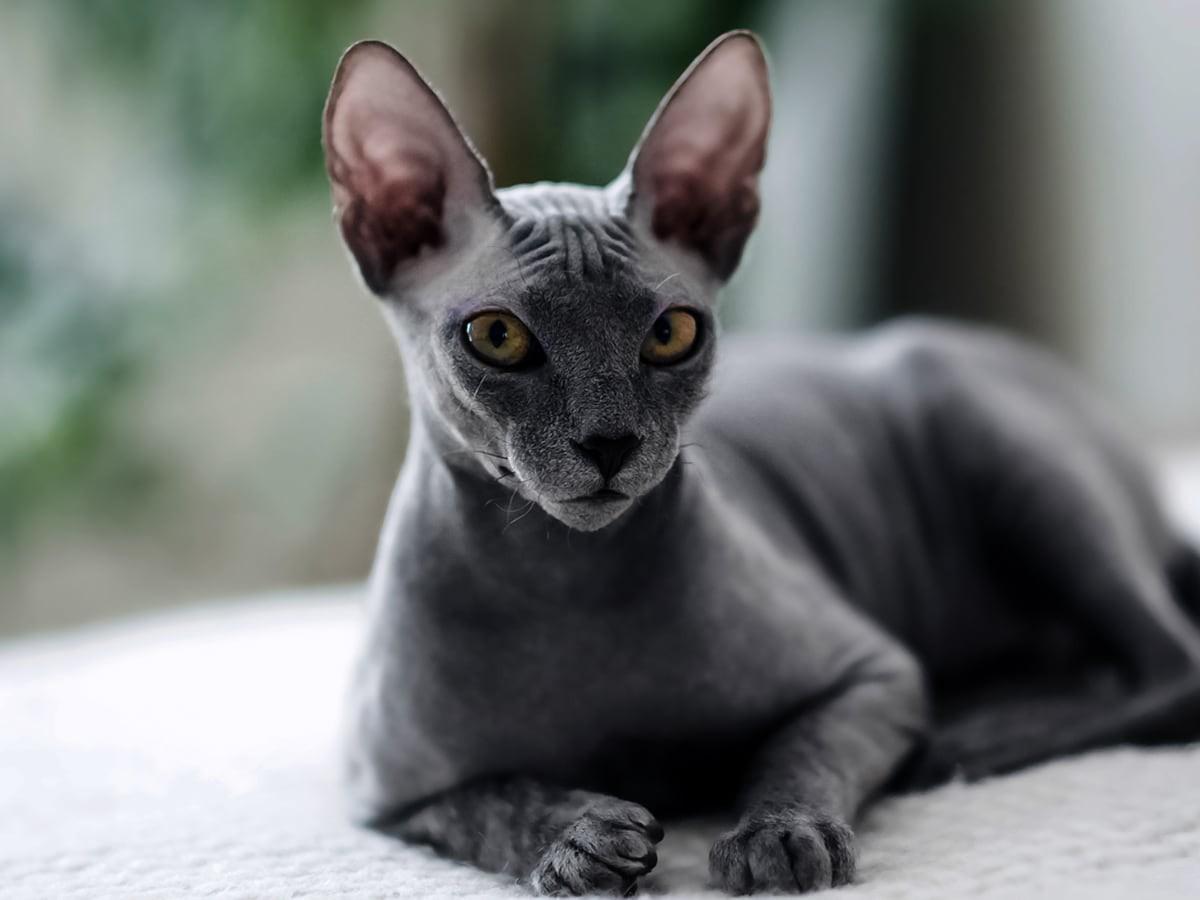
Sphynx cat pet insurance costs start from the same baseline as any cat's, but breed-specific health risks often push it higher. The national average monthly premium for cat accident-and-illness coverage is $23, according to Insurify¹ (May 2026 data). Because Sphynx cats carry a documented risk for heart disease, skin conditions tied to their lack of fur, and dental disease, insurers weigh those breed-specific factors heavily when pricing coverage.
What Affects Sphynx Cat Pet Insurance Premiums?
Several factors shape what any cat's pet insurance costs, and breed is one of them. Insurers rely on aggregated veterinary claims data across breeds, and breeds with well-documented hereditary conditions typically see that risk reflected in premium pricing.
Sphynx cats are a distinctive, hairless breed prone to a handful of specific hereditary and skin-related conditions. Because those risks touch multiple body systems and are well-studied, Sphynx premiums tend to land at or above the feline average rather than below it.
Factor | Why It Matters for Sphynx Cats |
|---|---|
Breed and size | Sphynx cats' documented risk for HCM and skin conditions gives insurers well-studied data to factor into pricing |
Age at enrollment | Younger cats typically start with lower premiums than cats enrolled later in life |
Location | Regional veterinary costs vary, and insurers factor local pricing into your premium |
Plan customization | Your deductible, reimbursement rate, and annual limit choices directly change your monthly cost |
For a full breakdown of how age, breed, and location affect pricing across all cats, see how much is cat insurance.
Common Health Risks That Drive Insurance Costs
Not every Sphynx develops these conditions, but they explain why insurers price the breed the way they do. For more on the breed's temperament and general care needs, see our Sphynx cat breed guide.
Hypertrophic Cardiomyopathy (HCM)
HCM causes the walls of a cat's heart to thicken, reducing how efficiently it pumps blood. The Cornell Feline Health Center² lists Sphynx among the breeds more commonly affected, alongside Maine Coon, Ragdoll, and several others. PetMD³ notes that DNA screening of breeding stock can help reduce the condition's prevalence, but diagnosing an individual cat still relies on echocardiography and typically leads to ongoing cardiac monitoring rather than a single treatment.
Skin Conditions From Being Hairless
A Sphynx's lack of protective fur creates skin risks most other breeds don't face. PetMD³ notes Sphynx cats need UV-blocking measures or pet-safe sunscreen because their exposed skin is prone to sunburn. Their skin also produces excess oil without fur to absorb it, which can lead to buildup, irritation, and secondary bacterial or fungal infections if regular bathing isn't kept up.
Periodontal (Dental) Disease
Like most cats, Sphynx cats face periodontal risk over their lifetime, and PetMD³ recommends tooth brushing and regular veterinary checkups as preventive measures. Left unaddressed, periodontal disease can progress to tooth loss, pain, and infection that spreads beyond the mouth — one reason dental coverage is worth reviewing carefully in any plan.
What Do These Conditions Cost to Treat?
Treatment costs vary by condition, severity, and location, but the pattern across all three explains why breed risk factors into pet insurance pricing.
Condition | Cost Pattern |
|---|---|
Hypertrophic cardiomyopathy | Echocardiogram diagnosis followed by recurring cardiac monitoring and medication |
Skin conditions (sunburn, seborrhea, infections) | Ranges from ongoing bathing and topical care to vet visits for secondary infections |
Periodontal disease | Routine cleanings scale up to extractions and infection treatment if left untreated |
Because skin issues and dental disease tend to be recurring rather than one-time expenses, they can add up gradually over a Sphynx's lifetime even when no single bill is large.
How to Choose the Right Pet Insurance Plan
Given a Sphynx's mix of hereditary and skin-related health risks, understanding how plan choices affect your premium and reimbursement is worth a few extra minutes.
Deductible: A lower deductible means less out-of-pocket cost before reimbursement starts, but usually comes with a higher premium. A higher deductible lowers your premium but increases what you pay upfront each policy year.
Reimbursement rate: Most accident and illness plans let you choose a reimbursement rate, commonly between 70% and 90% of the eligible bill. You pay your vet bill out of pocket first, then submit a claim for reimbursement — the insurer doesn't pay the clinic directly.
Here's how the math works for a Sphynx-relevant claim: reimbursement follows this formula — (vet bill − deductible) × reimbursement rate = reimbursement amount. Say a diagnostic workup for a suspected heart or skin issue — an office exam and basic imaging — costs $450⁴, within the combined exam-and-imaging range WebMD cites for general emergency vet visits,⁴ on a plan with an 80% reimbursement rate and a $250 deductible: $450⁴ − $250⁴ = $200⁴ after the deductible, then $200⁴ × 80% = $160⁴ reimbursed.
Annual limit: Because HCM often means years of cardiac monitoring, and skin and dental issues can mean recurring vet visits, a higher annual limit — or an unlimited option where available — offers more protection against cumulative costs.
Enrollment timing: Because HCM, skin conditions, and dental disease can all develop early, enrolling while your cat is young and symptom-free gives you the broadest coverage window. Conditions diagnosed before enrollment, or during a policy's waiting period, are generally treated as pre-existing and excluded from coverage.
Frequently Asked Questions
How much does pet insurance cost for a Sphynx cat?
There's no single published breed-specific rate for Sphynx cats, but the national average for cat accident-and-illness coverage is $23¹ per month. Given the breed's documented risk for HCM, skin conditions, and dental disease, individual Sphynx premiums may run somewhat above that baseline depending on age, location, and plan choice.
Does pet insurance cover HCM and other hereditary conditions in Sphynx cats?
Accident and illness plans can help cover hereditary conditions like HCM as long as they develop after your coverage begins and after any applicable waiting period. A condition diagnosed before enrollment is considered pre-existing and typically excluded. Reviewing a sample policy before enrolling helps clarify what's covered.
When should I enroll my Sphynx cat in pet insurance?
Enrolling a Sphynx kitten before any symptoms appear gives you the broadest coverage window and typically the lowest starting premiums. Waiting until your cat shows signs of a condition like HCM or a skin infection means that condition will likely be excluded once you do enroll.
Are Sphynx cats more expensive to insure than other cat breeds?
Often, yes. Sphynx cats carry documented risk for HCM, skin conditions tied to being hairless, and dental disease — a broader combination of hereditary and lifestyle-related risks than many other breeds face at once. Age, location, and your plan choices still meaningfully affect your final premium alongside breed.
More About Pet Insurance Coverage
Unexpected vet bills can happen when you least expect them, but pet insurance may help make those costs more manageable. Having coverage in place can help pet parents feel more prepared for emergency care, surgery, diagnostics, and treatment for covered conditions.
Spot Pet Insurance offers dog insurance plans starting at $15/month^ and cat insurance plans starting at $9/month^^, helping to make it easier to find coverage that fits your budget. Spot also makes filing claims simple with a digital claims process that lets pet parents submit a claim in 60 seconds or less. Get a free quote.
^ Advertised premium is based on an accident and illness plan with an 80% reimbursement rate, $500 annual deductible, and a $2,500 annual limit for a 2-year-old small mixed dog (11-25lbs) in 32009. Plan costs vary.
^^ Advertised premium is based on an accident and illness plan with an 80% reimbursement rate, $750 annual deductible, and a $2,500 annual limit for a 2-year-old mixed cat in 33801. Plan costs vary.

We’re pet parents first—and writers, marketers, and product developers by trade—combining lived experience with industry expertise in everything we create.
Insurify. "How Much Does Pet Insurance Cost?" Insurify, updated May 2026. https://insurify.com/pet-insurance/average-pet-insurance-cost/
Cornell University College of Veterinary Medicine. "Hypertrophic Cardiomyopathy." Cornell Feline Health Center, updated May 2025. https://www.vet.cornell.edu/departments-centers-and-institutes/cornell-feline-health-center/health-information/feline-health-topics/hypertrophic-cardiomyopathy
PetMD. "Sphynx Cat Breed Health and Care." PetMD, updated April 10, 2023. https://www.petmd.com/cat/breeds/sphynx
WebMD. "What to Know About the Costs of Emergency Veterinary Care." WebMD, medically reviewed August 13, 2024. https://www.webmd.com/pets/what-to-know-costs-emergency-veterinary-care