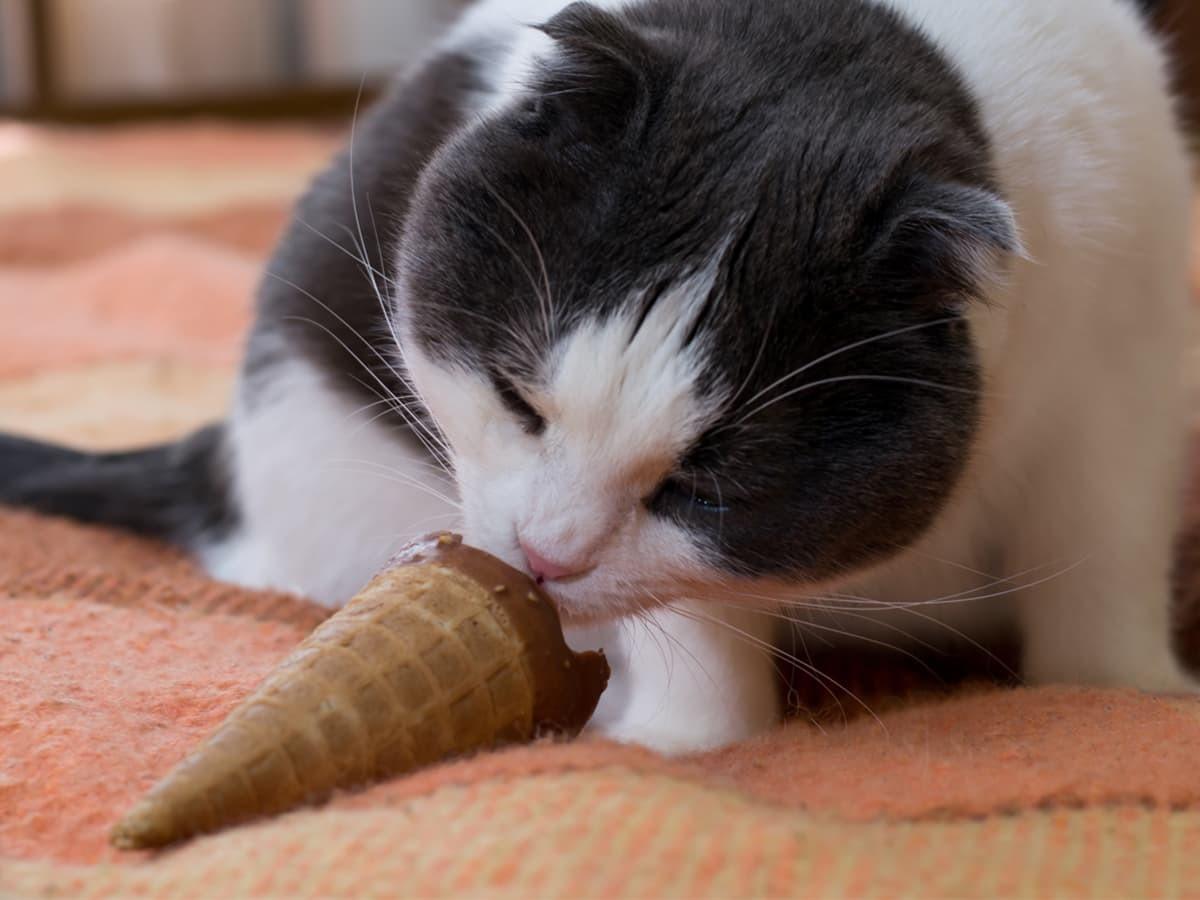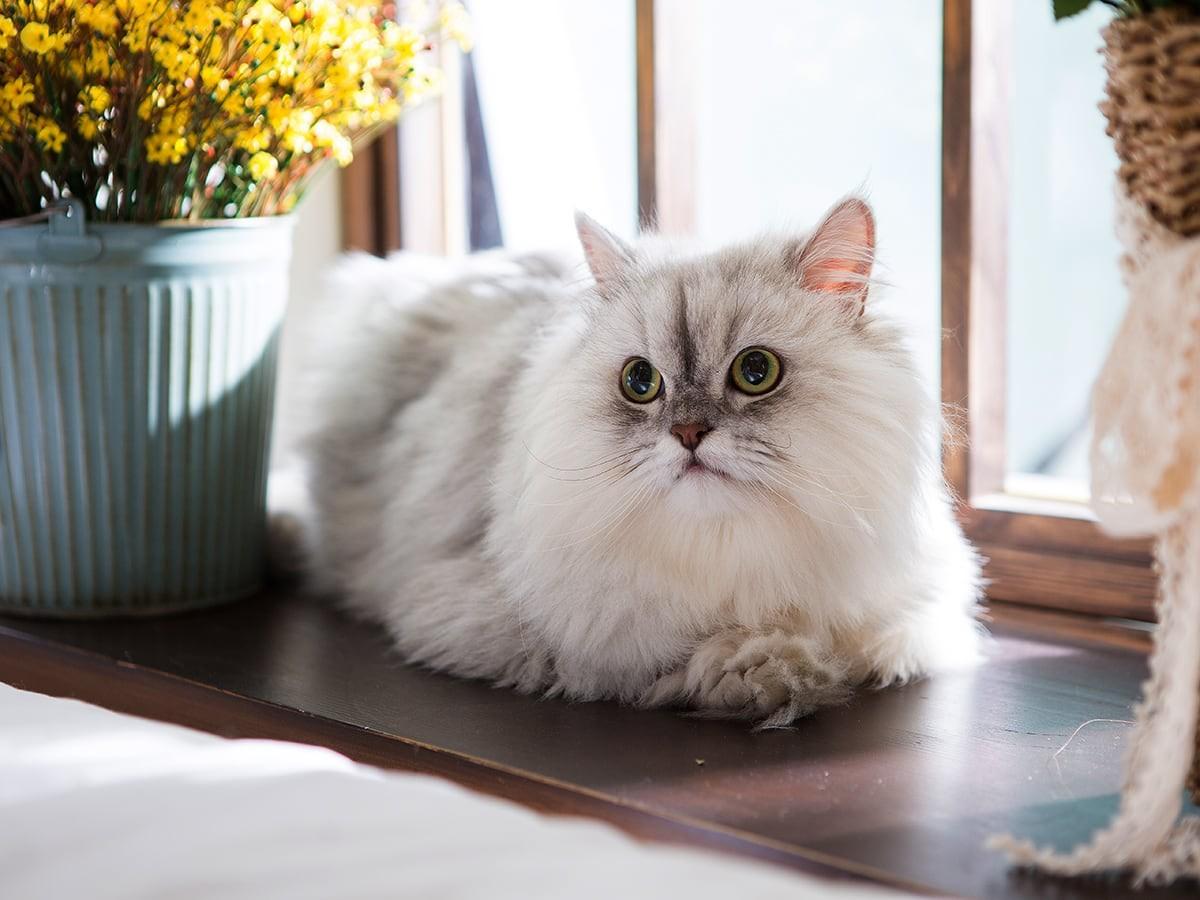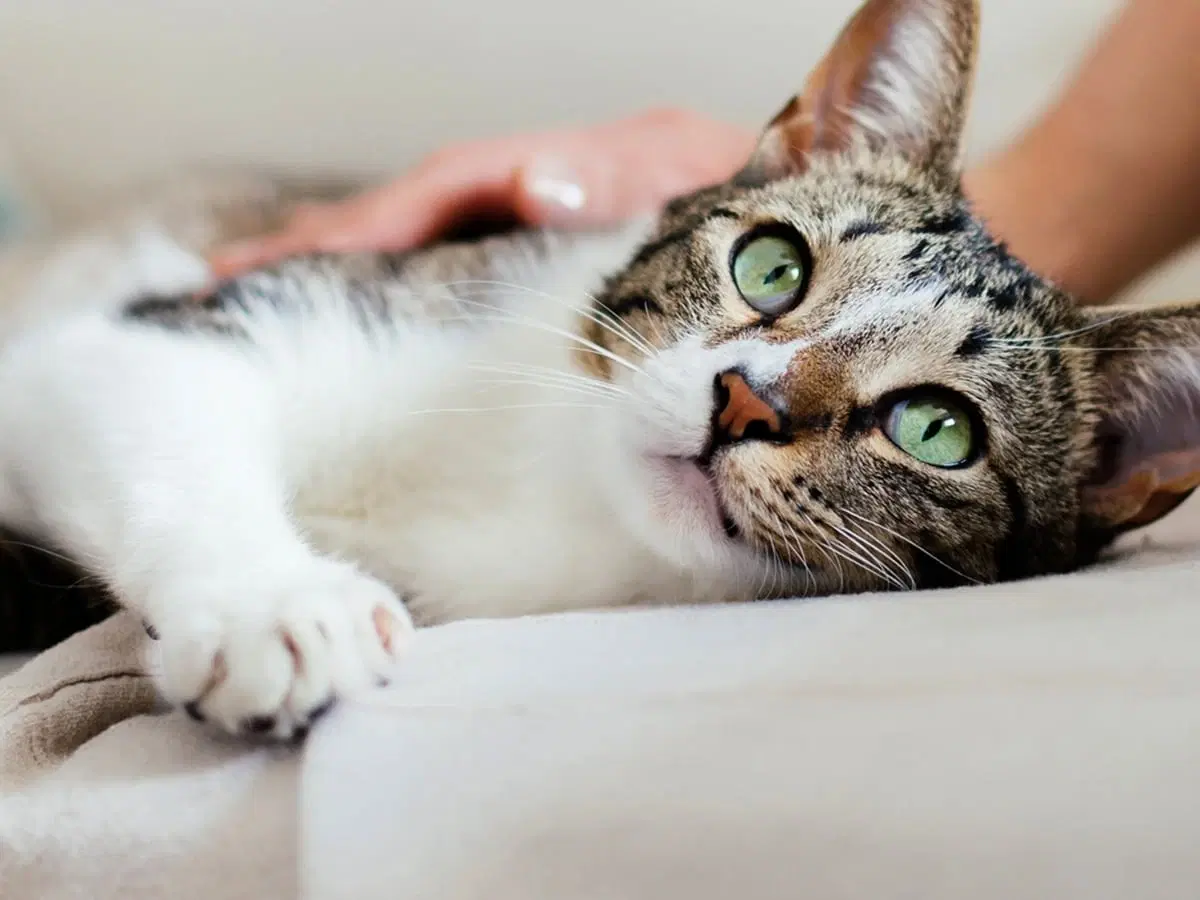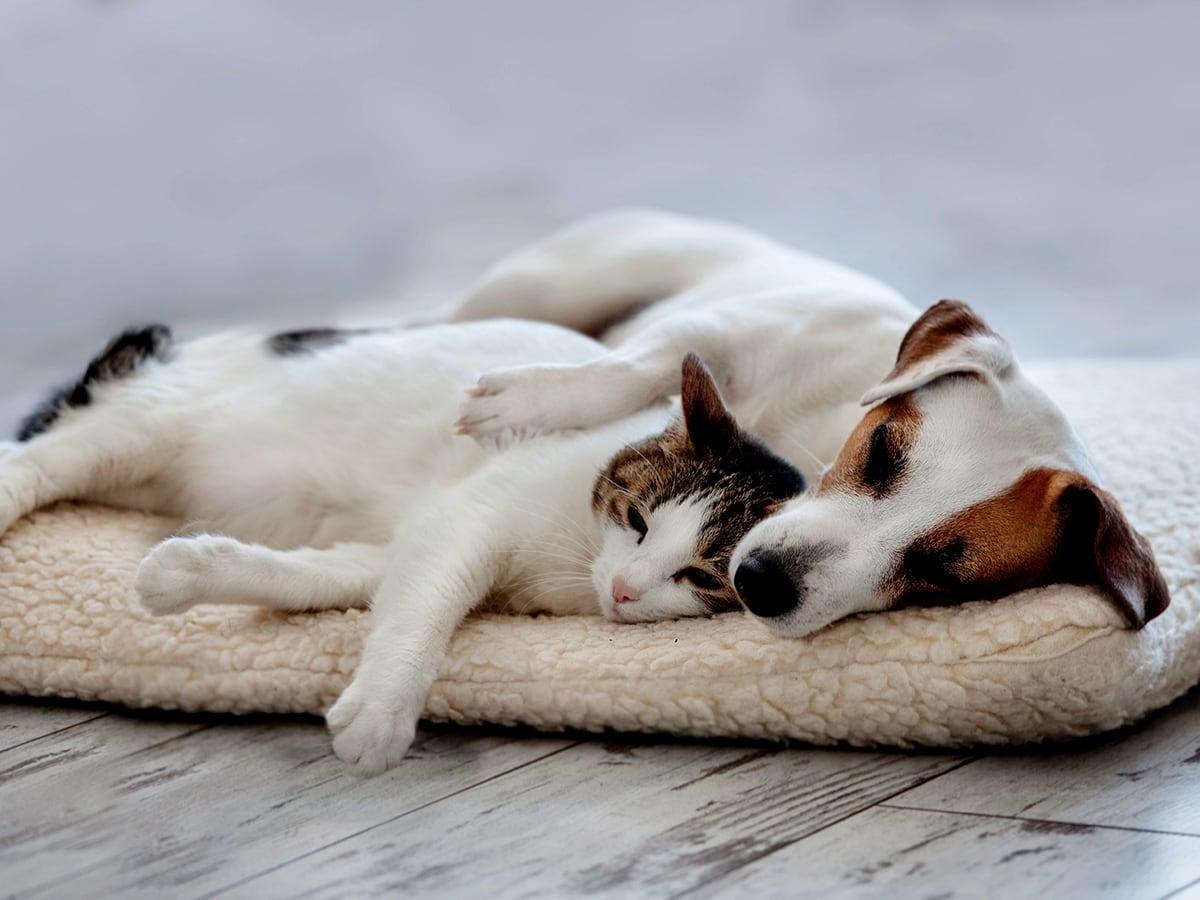
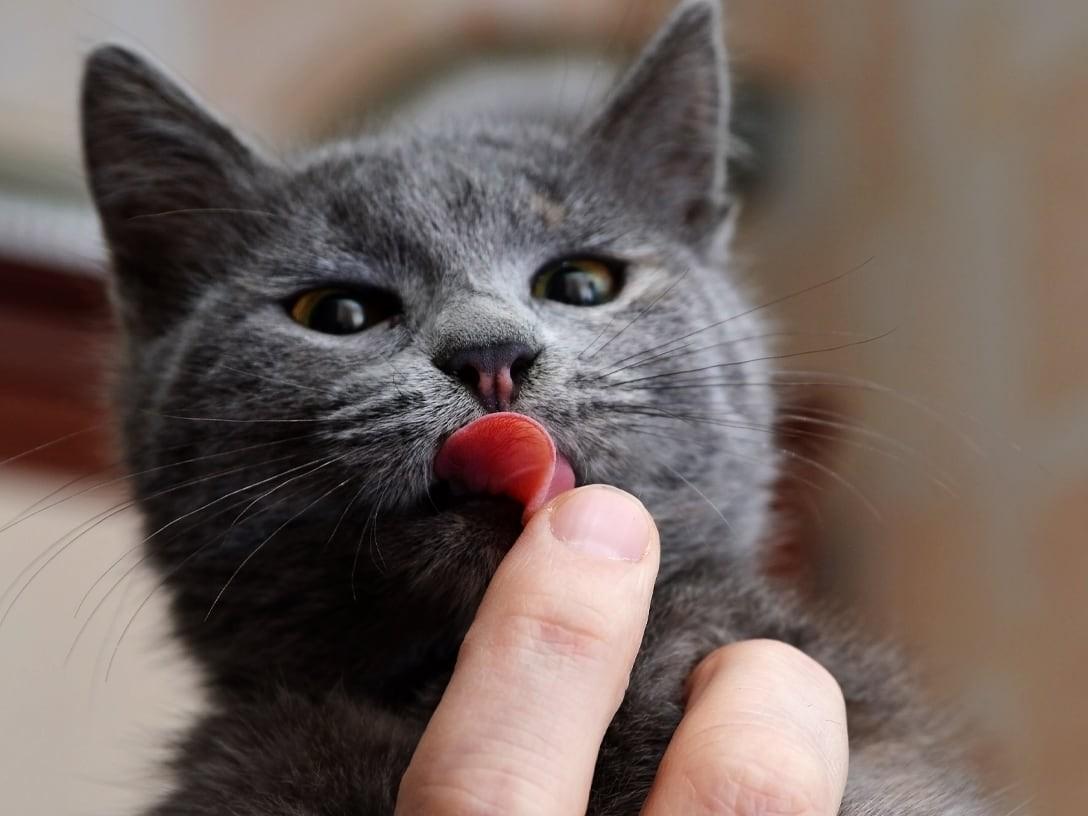
Cats lick their pet parents for a mix of overlapping reasons rooted in feline biology: affection carried over from kitten-mother grooming, scent-based bonding, a taste for salty skin, and sometimes attention-seeking. According to VCA Animal Hospitals¹, this licking instinct starts in kittenhood, when a mother cat grooms her litter, and it carries into adulthood as a way cats show trust and closeness. Licking that turns frequent, focused on one spot, or pairs with bald patches from self-grooming is different — that pattern is worth mentioning to your vet.
Why Do Cats Lick Their Pet Parents?
Kittens can't groom themselves at birth, so their mother licks them clean, stimulates circulation, and comforts them within hours. That early experience wires licking into a cat's social toolkit long into adulthood.
VCA Animal Hospitals¹ points to several overlapping reasons adult cats keep licking the people they live with:
Affection and trust — grooming a person mirrors how cats groom close companions, extending the same bonding behavior they'd use with another trusted cat
Taste — human skin often carries salt from sweat, plus food residue, lotion, or soap that cats find appealing
Attention-seeking — a lick that earns petting, conversation, or even mild annoyance can become a repeated way to start interaction
Comfort-seeking — cats that bonded closely with their mother as kittens may return to licking as a way to self-soothe near someone they trust
This behavior is a close cousin of allogrooming, the mutual grooming cats use with other cats they're bonded to, extended to a trusted human.
Is My Cat Marking Me as Theirs When They Lick Me?
Licking does more than clean — it leaves a cat's scent behind. VCA Animal Hospitals¹ notes that licking deposits scent on you, which functions as a way of signaling to other cats that you belong to them.
Cats also carry scent glands on their cheeks and near the base of their tail, which they use for the same purpose when they rub against furniture, doorways, or your legs. Licking is simply another route to the same goal: building a shared scent that feels familiar and safe.
For a cat, a familiar scent is closely tied to security. A newly adopted cat that hasn't licked you yet isn't withholding affection — trust and scent-bonding typically build over the first few weeks in a new home. Preparing thoughtfully for those first weeks can help that bond form faster.
When Cat Licking Signals Stress, Pain, or a Skin Problem
Most licking is a normal, healthy behavior. Cornell Feline Health Center² reports that cats typically spend 30% to 50% of their waking hours grooming themselves, so some daily licking — self-directed or aimed at you — is expected.
Licking becomes a concern when it changes in intensity, frequency, or target. Cornell Feline Health Center² explains that licking causing hair loss or excessive hairballs isn't normal, and while cats often lick because an area is itchy or painful, "over-the-top" licking can also have a psychological cause tied to stress.
VCA Animal Hospitals¹ adds that anxious or stressed cats may direct excessive licking at family members rather than themselves. A sudden increase in how much your cat licks you — not just self-grooming — can be a behavioral signal worth watching, too.
Medical and behavioral causes can look identical from the outside, so a cat that's licking excessively — whether that's bald patches on their own coat or repeated, hard-to-interrupt licking directed at you — needs a veterinary exam before anything else. Knowing what a routine vet visit costs ahead of time can make that appointment easier to plan for.
How Can I Get My Cat to Stop Licking Me So Much?
If the licking itself isn't medical but has become uncomfortable or excessive, a few adjustments can redirect the behavior without discouraging your cat's affection:
Offer a toy or a lick mat as an alternative outlet when a licking session starts
Gently move your hand or shift position instead of reacting strongly — a big reaction can reinforce attention-seeking licking
Keep a consistent play and feeding schedule, since boredom and hunger can both increase licking directed at you
Rule out fleas, food sensitivities, or skin irritation first, since redirecting a medically driven behavior without treating the cause rarely works long-term
If redirection doesn't help within a few weeks, or the licking pairs with other changes like appetite loss or hiding, a vet visit is the next step. Ongoing skin or behavioral workups can add up, which is one reason some pet parents look into what cat insurance actually costs and covers before a health issue comes up.
Frequently Asked Questions
Is it safe to let my cat lick me?
For most healthy pet parents, occasional licking is low-risk, though a cat's mouth carries bacteria that can occasionally cause skin infections, especially on broken skin or for people with weakened immune systems. Avoid letting your cat lick open cuts, scratches, or recently pierced skin, and wash the area with soap and water if they do.
Why does my cat lick me and then bite me?
This combination, sometimes called a "love bite," usually means your cat has reached its limit for physical contact rather than turned aggressive. Licking can be soothing at first, but prolonged petting or attention can tip into overstimulation. A gentle nip is your cat's way of signaling it needs a break, not a warning sign of a behavior problem.
Why does my cat's tongue feel rough when they lick me?
A cat's tongue is covered in tiny, hook-shaped structures called papillae, made of keratin — the same protein found in claws and hair. These backward-facing hooks help cats work saliva deep into their fur during self-grooming, but on human skin, that same texture feels like fine sandpaper.
Should I discourage my cat from licking me?
You don't need to stop normal, occasional licking — it's a healthy sign of trust and bonding. Redirecting only makes sense if the behavior becomes uncomfortable, excessive, or targets broken skin. Offering a toy or gently shifting position works better than scolding, which can create anxiety around a behavior that's usually affectionate.
When should I worry about my cat's licking?
Watch for licking that's sudden, frequent, focused on one body area, or paired with bald patches, redness, or sores — whether it's self-directed or aimed at you. Those signs point toward a medical or stress-related cause rather than normal affection, and a veterinary exam is the right next step to identify what's driving it.
Pet insurance can help pet parents feel more prepared for life's unexpected vet visits. From unexpected accidents and illnesses to diagnostics and treatment, having a plan in place can help make the cost of covered care more manageable when it matters most.
Spot Pet Insurance offers customizable plans for dogs and cats, including accident-only and accident & illness coverage. Pet parents can choose from flexible reimbursement rates, deductibles, and annual limits to build a plan that fits their budget. Every plan also includes coverage for microchip implantation and access to a 24/7 telehealth helpline for added peace of mind. Get a free quote.

The resident animal enthusiast at Spot. I have a lifetime of pet parent experience. If it has fur, feathers, or scales, I’ve probably shared my home with it. I aim to be a reliable source, blending experience with a dedication to the well-being of pets.
VCA Animal Hospitals. Why Do Cats Lick Humans? VCA Animal Hospitals Resources, 2026.
Cornell Feline Health Center. Cats Lick Too Much. Cornell University College of Veterinary Medicine, 2026.