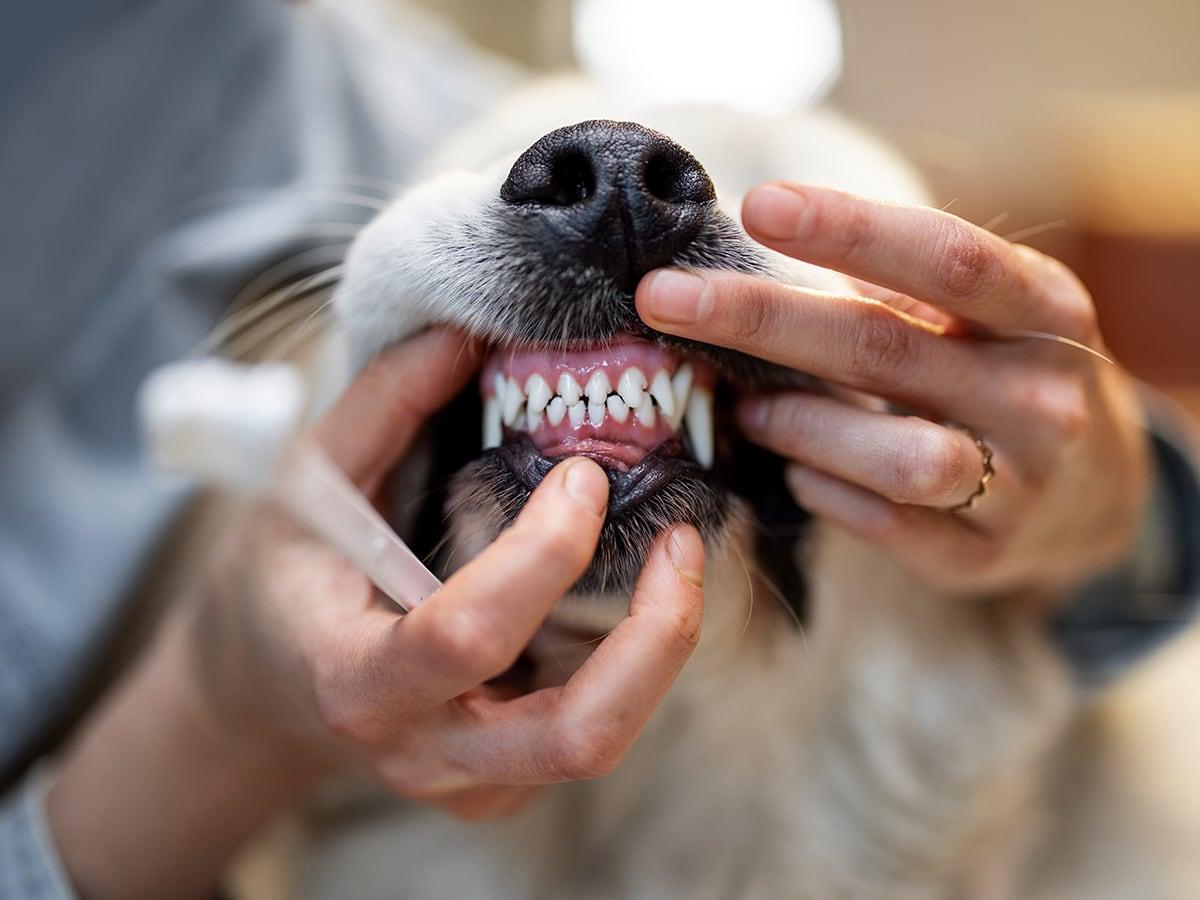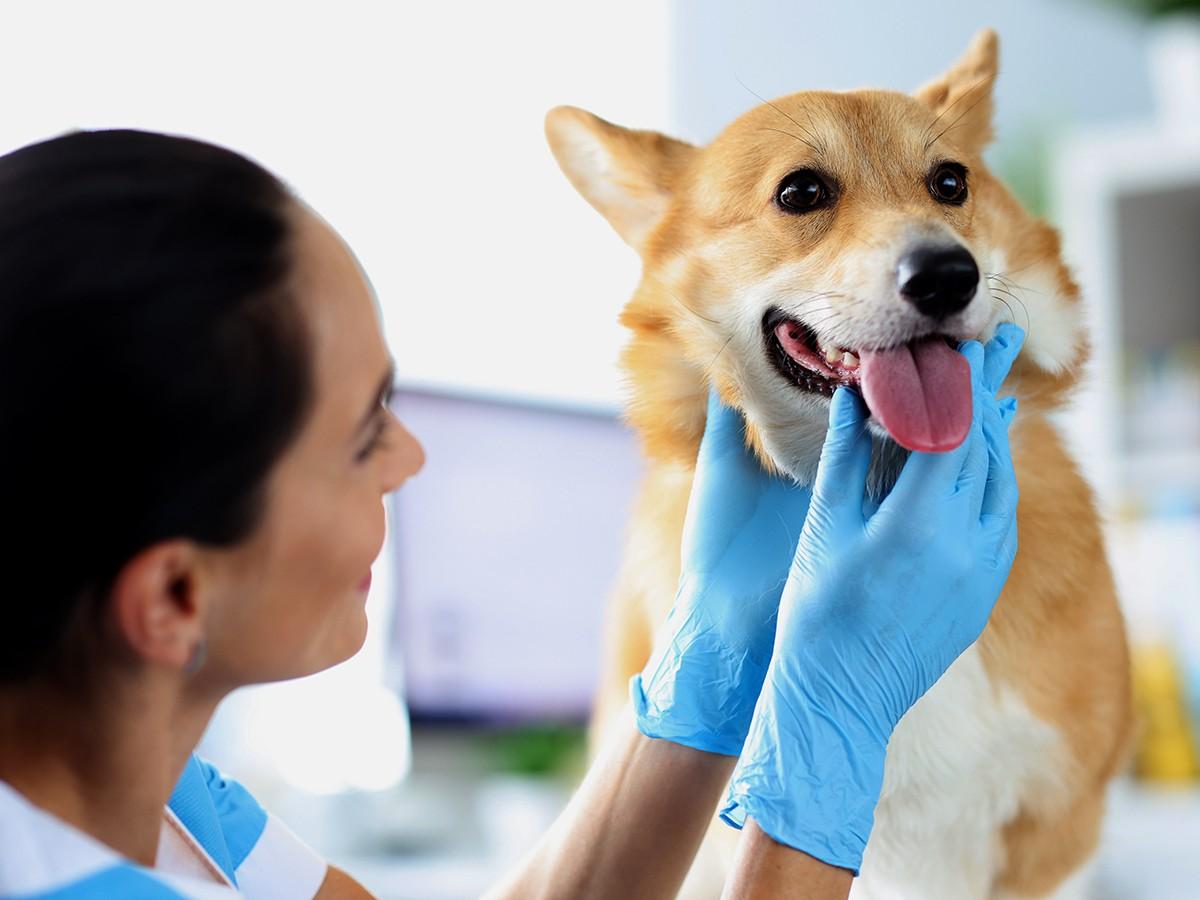

Pet insurance can cover tooth extractions when the cause is a covered illness or injury — such as periodontal disease, a tooth abscess, or trauma. Standard accident and illness plans help reimburse eligible dental treatment, including extractions, provided the condition isn’t pre-existing and the waiting period has passed. Routine cleaning is generally not covered without a preventive care add-on.
What Does Pet Insurance Cover for Dental Extractions?
Standard accident and illness plans can reimburse the cost of tooth extractions when the procedure is needed to treat a covered condition. Coverage applies to the extraction itself as well as associated costs — anesthesia, dental X-rays, and follow-up care — when they’re part of treating an eligible illness or injury.
Common dental conditions that may qualify include:
Periodontal disease — plaque and tartar buildup that damages teeth and surrounding tissue
Tooth abscesses — bacterial infections at the root requiring extraction to prevent spread to the jaw or bloodstream
Trauma or injury — broken or fractured teeth from an accident
Oral tumors — growths that require tooth removal as part of treatment
Tooth resorption — structural breakdown of the tooth that can’t be repaired
For the extraction to be covered, the condition must not be pre-existing and symptoms must not have appeared during the policy’s waiting period. See what pet insurance covers for a full breakdown of how accident and illness plans work.
What’s Not Covered for Dental Procedures?
Standard accident and illness plans exclude routine dental cleaning, which is treated as preventive maintenance rather than illness treatment. Pet parents who want cleaning costs reimbursed typically need to add a wellness or preventive care add-on to their base policy.
Other common dental exclusions include:
Pre-existing dental conditions — any dental disease or tooth problems documented before enrollment, including during the waiting period
Cosmetic procedures — treatments without a medical justification
Routine scaling or polishing without a diagnosis of dental disease
Pre-existing conditions are the most significant coverage gap for pet parents who enroll after dental disease is already documented. A condition doesn’t need a formal diagnosis to be classified as pre-existing — a vet note about bleeding gums or visible tartar can be sufficient for a claim to be excluded later. For a full explanation of how pre-existing exclusions work, see pre-existing conditions and pet insurance.
Dental Disease in Dogs: Why Extractions Are Common
According to Cornell University College of Veterinary Medicine¹, 80–90% of dogs over age 3 have some degree of periodontal disease, making dental disease one of the most common conditions in veterinary medicine. Because early-stage disease rarely causes obvious symptoms, many cases go undetected until damage is severe enough to require extraction.
Dogs have 42 adult teeth, and any can be affected. Common extraction causes in dogs include:
Periodontal disease — infection and inflammation of the tissues surrounding the tooth
Overcrowding or retained baby teeth — interfering with adult tooth growth or causing misalignment
Root abscess — bacterial infection requiring removal to prevent spread
Oral tumors — potentially cancerous growths requiring surrounding tooth removal
Tooth resorption — age-related breakdown of the tooth structure
Dental Disease in Cats: A Different Pattern
Cats develop 30 adult teeth, and the American Veterinary Medical Association² notes that most cats show early evidence of periodontal disease by age 3.
A significant additional risk for cats is feline tooth resorption (FTR) — a condition in which the tooth structure degrades from within, often making extraction the only viable treatment. Common extraction causes in cats include:
Gum diseases (periodontitis, gingivitis)
Feline tooth resorption (FTR)
Broken or fractured teeth
Improperly retained baby teeth
Feline stomatitis — a painful inflammatory condition that sometimes requires full-mouth extraction
Oral tumors
What Do Tooth Extractions Cost?
Dental extraction costs vary based on the procedure’s complexity, whether multi-rooted teeth are involved, and how many teeth require removal. All extractions require general anesthesia, which adds to the base cost. Diagnostic fees for bloodwork and dental X-rays also apply.
Simple extractions cost less than complex procedures involving compromised bone or multiple roots. Full-mouth extractions — sometimes necessary for cats with severe stomatitis — represent the higher end of the cost range.
For a detailed breakdown of dog and cat dental procedure costs, see how much pet dental care costs.
How to Help Prevent Tooth Extraction
Regular at-home and professional dental care reduces the likelihood of disease progressing to the point where extraction becomes necessary. Effective prevention strategies include:
Daily tooth brushing — the most effective way to prevent plaque buildup and slow the progression of periodontal disease
Dental chews and toys — help reduce tartar mechanically between cleanings
Water and food additives — certain formulations can reduce the bacteria that cause plaque
Professional dental cleaning — removes buildup that brushing can’t reach; recommended every one to three years depending on your pet’s dental health
Regular veterinary exams — allow early detection of disease before it reaches extraction-level severity
For more on how dental cleaning coverage compares to extraction coverage, see does dog insurance cover teeth cleaning.
Frequently Asked Questions
Does pet insurance cover teeth cleaning?
Standard accident and illness plans don’t cover routine dental cleaning — it’s classified as preventive hygiene rather than treatment for an illness. Preventive care add-ons help reimburse routine cleaning costs up to an annual limit. If regular cleanings are a priority, look for a plan that includes a wellness or preventive care rider.
Will pet insurance cover extraction if my dog already has dental disease?
It depends on when the disease was first documented. If dental disease was diagnosed or showed symptoms before enrollment, it’s typically classified as a pre-existing condition and excluded from coverage. New dental conditions that develop after enrollment and after the waiting period has passed are eligible for coverage under an accident and illness plan.
How does the waiting period affect dental coverage?
Symptoms that appear during the waiting period — typically 14 days for illnesses — are treated as pre-existing even if the pet wasn’t diagnosed before enrollment. A tooth abscess that develops within the waiting period, for example, could be excluded from the policy. Enrolling your pet before symptoms develop avoids this gap.
Does pet insurance pay the vet directly for dental surgery?
Most pet insurance plans use a reimbursement model — you pay the vet bill, then submit a claim for covered expenses. After your deductible is applied, you receive reimbursement at your chosen reimbursement rate (typically 70–90%) for eligible costs.
When comparing pet insurance providers, it’s important to look closely at what’s actually covered. Some plans may offer lower premiums upfront, but fewer benefits when your pet needs care most.
Spot Pet Insurance includes microchip implantation coverage with every plan and can help reimburse covered costs related to eligible chronic conditions, hereditary conditions, dental illnesses, and prescription foods.* These coverages can make a meaningful difference over time. Get a free quote.
*Prescription food & supplements are covered if they are prescribed to treat an eligible accident or illness. Prescription food & supplements are not covered if they are used for weight management or general health maintenance.

With 10 years of experience as a pet parent, I aim to empower pet owners with insights into pet insurance and maintaining their pet's well-being. I aspire to be a trusted source, combining knowledge with a commitment to the welfare of our beloved pets.
Cornell University College of Veterinary Medicine. Periodontal Disease in Dogs. Cornell Riney Canine Health Center.
American Veterinary Medical Association. Pet Dental Care. AVMA Pet Owner Resources.