One of the most common pieces of advice you'll hear when bringing your puppy home is that socialization is important so they don't grow up fearful or insecure about the world around them. There's truth to that.
But there's a large piece of the puzzle that most people miss, and ironically, it's often what drives puppies toward the very behaviors owners are trying to avoid.
1. Not All Socialization Is Equal
Before dogs can comfortably interact with people or other dogs, they often need to become comfortable with sights, sounds, and smells first. Experiencing everything at once can quickly become overwhelming.
More often than not, I see dog owners rush their puppies into social situations at a very young age without first understanding their body language or how to read it in the moment. This is what leads many dogs to become insecure and reactive.
To most owners, it seems to happen overnight. In reality, it's usually the result of progressive overload over time.
This is why I don't recommend group socialization classes until a puppy can first prove they can exist in the world and behave appropriately without feeling the need to interact with everything around them.
2. You Should Be of the Highest Value to Your Dog
An added benefit of holding off on constant interactions until your puppy has developed more confidence is that they begin trusting you more, because you're the one guiding them through new environments and challenges.
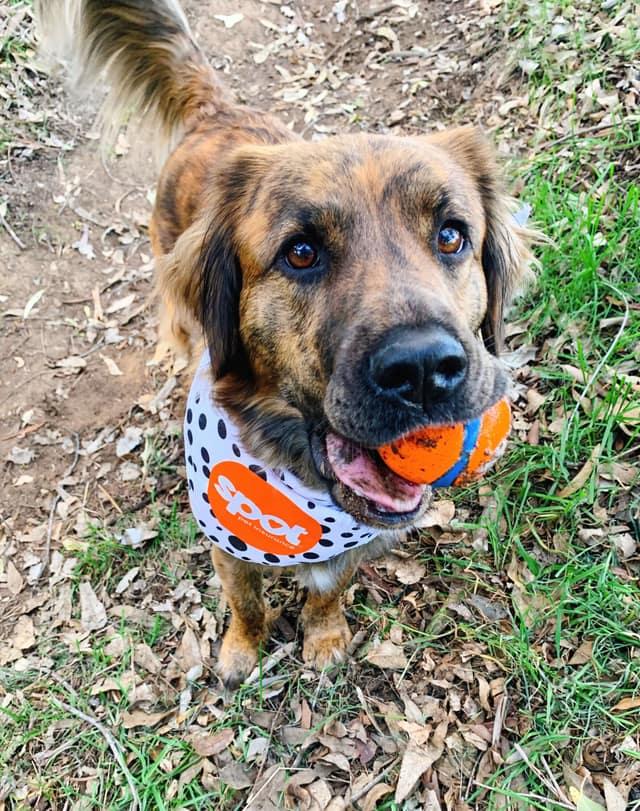
Instead of bringing your puppy up to every dog on the street or rushing them into dog parks at an early age, spend time playing with them one-on-one. Tug, fetch, frisbee, whatever your dog enjoys.
Building your relationship this way teaches your puppy that you're the person they'd rather be beside than anyone else.
That relationship will pay dividends in the future when you're asking for your dog's attention in highly distracting environments where other dogs and people are present. Your dog should choose you every time.
3. Interactions Should Be Monitored to Avoid Negative Experiences
When first introducing your puppy to another dog or person, those interactions should be closely monitored to help prevent negative experiences from compounding during such an important stage of development.
Many reactive dogs were giving subtle signals long before the barking, lunging, or growling ever started. Those signals simply went unnoticed.
Pay attention to your dog's tail, ears, and overall body language. Do they look tense? Are they lip licking? Are they giving side-eye (commonly called whale eye)?
These are all signs that your puppy may be uncomfortable. When you recognize those signals early and step in to advocate for your dog, they learn they don't have to escalate their behavior to create space.
Over time, that also strengthens the trust they have in you.
In Closing
If you just brought home a puppy and your goal is to build confidence, start with neutral exposure to the world rather than rushing them into high-pressure social situations.
Take it one day at a time. Build your relationship first. Expose them to the world progressively, and keep interactions closely monitored.
Do that consistently, and you'll be far more likely to raise a confident, secure dog for the long term.
If this resonated with you and you'd like help applying it with your own dog, I'd love to help. info@hopegablescanine.com 🐕✨

Nicolas Angione is the founder and head dog trainer at Hope Gables Canine, based in Fairfield County, CT. Inspired by his own dog's reactive journey and rehabilitation, he left his career behind to become a dog trainer. After years of shadowing other dog trainers in the industry, he started his own practice, which has successfully helped hundreds of dog owners, both domestic and abroad, regain peace and harmony with their dogs. Many of these success stories, dog training tips, and more can be found on their Instagram and YouTube pages.