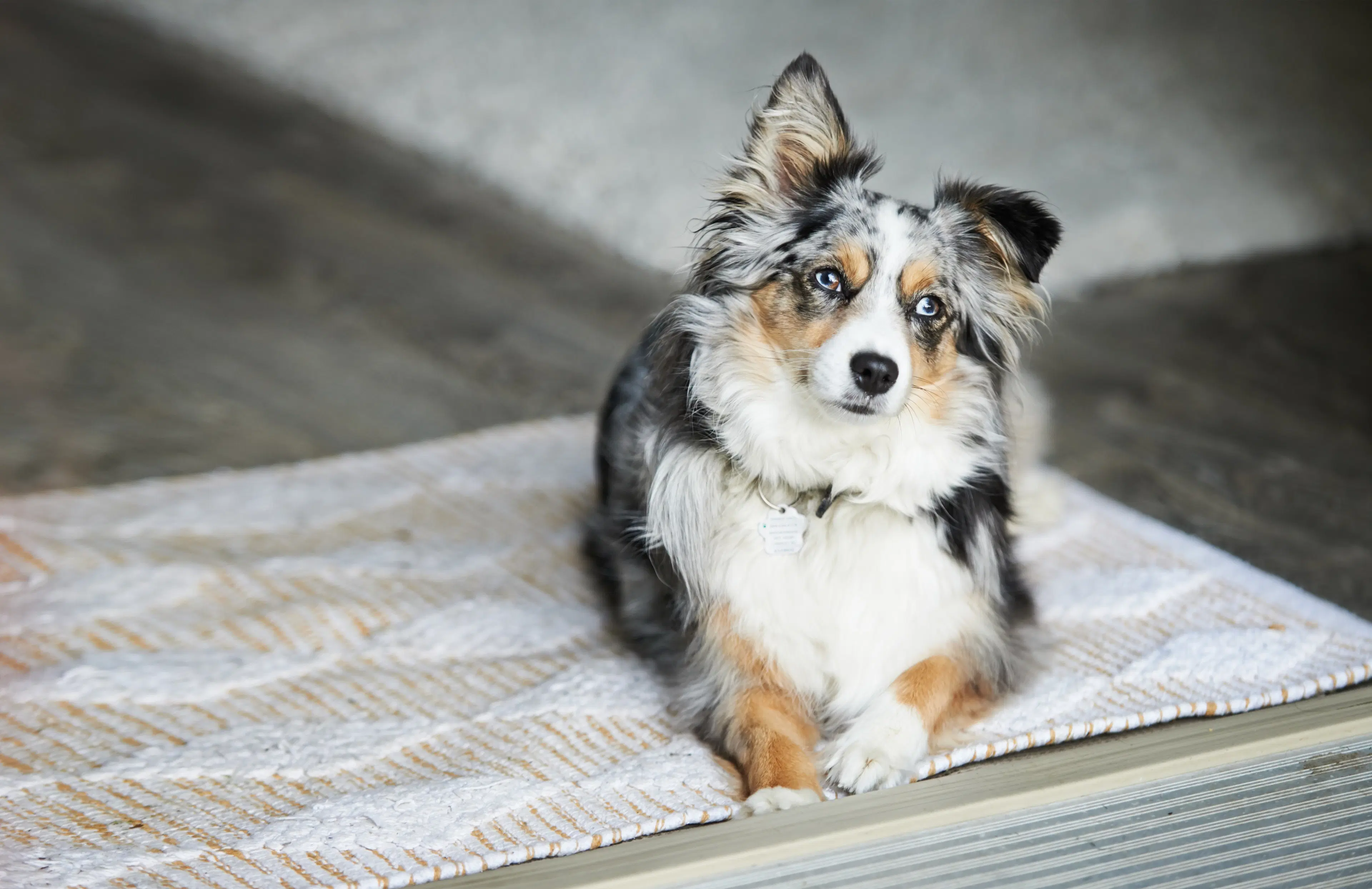
Dry skin in dogs usually shows up as flakes, itching, and a dull coat, and it often gets worse in fall and winter. Cold air outside and heated air inside pull moisture from your dog's skin, and frequent baths or harsh shampoos can make it worse.¹ Dry skin can also point to allergies, parasites, or a health problem. Skin allergies are common: atopic dermatitis may affect as much as 10% to 15% of dogs, and the itching is seasonal in 40% to 75% of cases.²
What Causes Dry Skin in Dogs?
According to the American Kennel Club, dry skin can come from cold weather and dry air, too many baths, harsh soaps, and poor nutrition. It can also be a symptom of allergies, parasites, or medical conditions like Cushing's disease and hypothyroidism.¹
Here's how to tell the common causes apart:
Cause | Clues to watch for |
|---|---|
Cold, dry air and indoor heat | Flaking that starts or gets worse in fall and winter |
Too many baths or harsh shampoo | Dryness after bath time, or flakes from shampoo that wasn't rinsed out |
Diet low in fatty acids | Dull, dry coat and flaky skin |
Allergies | Itching, red skin, paw licking, and ear problems, often in certain seasons |
Parasites like fleas and mites | Intense itching, scabs, or moving "dandruff" |
Hormone conditions | Dry, brittle hair, hair loss, and repeated skin infections |
Flaky skin can also be a sign of seborrhea, a condition where the skin makes too much scale. VCA Animal Hospitals notes that seborrhea often has an underlying cause, such as a diet low in omega-3 fatty acids, temperature and humidity changes, hormone disease, allergies, or parasites.⁴
Why Does Dry Skin in Dogs Get Worse in Winter?
Cold outdoor air holds very little moisture, and indoor heating dries the air even more. Your dog spends most of the season moving between the two, so their skin has a harder time staying hydrated.
Winter walks add another challenge. Road salt and other de-icers can damage paw pads, so the AKC advises washing your dog's feet with warm water after walks, including between the toes and pads. Some dogs also need a paw balm or moisturizer.⁵ If your dog keeps licking their feet after time outside, these tips on why dogs lick their paws can help you spot the cause.
What Are the Signs of Dry Skin in Dogs?
The AKC lists these common signs:¹
Itching and scratching
Dandruff, flaking, or scaling
Red or inflamed skin
Hair loss
Scabs or pimples
Odor
You might also notice white flakes on your dog's bed or on dark furniture where they like to rest. If your dog is also licking, chewing, or getting ear infections, allergies may be part of the picture. Learn more about dog allergy symptoms.
How Can You Help Your Dog's Dry Skin at Home?
When weather or bathing is the cause, simple changes often help. The AKC says a humidifier, a vet-approved shampoo, and fewer baths usually resolve dry skin, as long as those factors are behind it.¹ Try these steps:
Run a humidifier. Use it in the room where your dog sleeps during cold, dry months.
Bathe less often. Too many baths strip natural oils from the skin. Ask your vet how often your dog really needs one.
Choose a gentle dog shampoo. Look for a soap-free, moisturizing formula, like one with oatmeal. Don't use human shampoo, because its pH isn't right for dogs and can irritate their skin.³
Rinse well. Leftover shampoo can leave skin flaky.
Protect paws and coats outside. Wipe paws after walks, and consider booties or a sweater for small or short-haired dogs.
Ask about fatty acids. A complete diet supports healthy skin. Omega fatty acid supplements can help some dogs, but talk to your vet before adding one.
When Should You See a Vet About Dry Skin?
The AKC advises taking your dog to the vet as soon as you notice signs of dry skin, since it can be a symptom of a bigger problem.¹ It's especially important to call your vet if you see:
Hair loss, open sores, or scabs
A bad smell or greasy patches
Intense itching that keeps your dog up at night
Dry skin that doesn't improve with home care
Other changes in your dog's health or behavior
Your vet may check for fleas and mites, look at skin samples, or suggest blood tests or an allergy workup. Finding the cause is the best way to get your dog comfortable again.
Frequently Asked Questions
Is dog dandruff the same as dry skin?
Not exactly, but they're closely related. Dandruff is the visible flakes of dead skin, and dry skin is one of the most common reasons dogs get it. Flakes can also come from allergies, parasites, or seborrhea. Some mites even cause "walking dandruff," flakes that seem to move. If the flaking doesn't clear up with gentle care, have your vet take a look.
Can I use human lotion or shampoo on my dog's dry skin?
It's best not to. Human shampoo has the wrong pH for dog skin and can cause irritation,³ and dogs often lick off anything you put on their coat. Products made for people aren't designed with dogs in mind. Ask your vet about a moisturizing dog shampoo, conditioner, or paw balm that's made for pets instead.
Do some dog breeds get dry skin more often?
Yes. Hairless breeds, like the Chinese Crested and Xoloitzcuintli, are prone to skin problems. Siberian Huskies and Alaskan Malamutes can develop a zinc-related skin condition.¹ Cocker Spaniels, West Highland White Terriers, and Basset Hounds are prone to inherited seborrhea.⁴ If you have one of these breeds, regular skin checks with your vet are a good idea.
How often should I bathe a dog with dry skin?
Usually less often than you might think. Frequent baths can strip the natural oils that keep skin moist, especially in winter. When you do bathe your dog, use lukewarm water and a gentle, moisturizing dog shampoo, and rinse thoroughly. If your vet prescribes a medicated shampoo for a skin condition, follow their schedule instead.
The right pet insurance plan should help support your pet through both unexpected accidents and health needs. Understanding what's included in your policy can help you choose coverage that fits your pet's lifestyle.
Spot Pet Insurance offers accident and illness coverage to help reimburse eligible costs related to covered injuries, illnesses, diagnostics, and treatment. Pet parents can also add optional preventive care coverage for routine services like annual exams, dental cleanings, and certain vaccines. Learn more about what pet insurance covers or get a free quote.

We’re pet parents first—and writers, marketers, and product developers by trade—combining lived experience with industry expertise in everything we create.
Burke, Anna. "Dry Skin on Dogs: Signs, Symptoms, Treatments." American Kennel Club, updated October 23, 2025. https://www.akc.org/expert-advice/health/dry-skin-on-dogs/
Cornell Richard P. Riney Canine Health Center. "Atopic Dermatitis (Atopy)." Cornell University College of Veterinary Medicine, last updated October 21, 2025. https://www.vet.cornell.edu/departments-centers-and-institutes/riney-canine-health-center/canine-health-topics/atopic-dermatitis-atopy
American Kennel Club. "Finding the Right Shampoo for Your Dog." AKC, updated May 17, 2024. https://www.akc.org/expert-advice/health/dog-shampoos/
VCA Animal Hospitals. "Seborrhea in Dogs." VCA, last updated January 19, 2026. https://vcahospitals.com/know-your-pet/seborrhea-in-dogs
American Kennel Club. "How to Keep Your Dog Warm and Safe This Winter." AKC, updated January 14, 2026. https://www.akc.org/expert-advice/lifestyle/keep-dog-warm-winter-safety-tips/