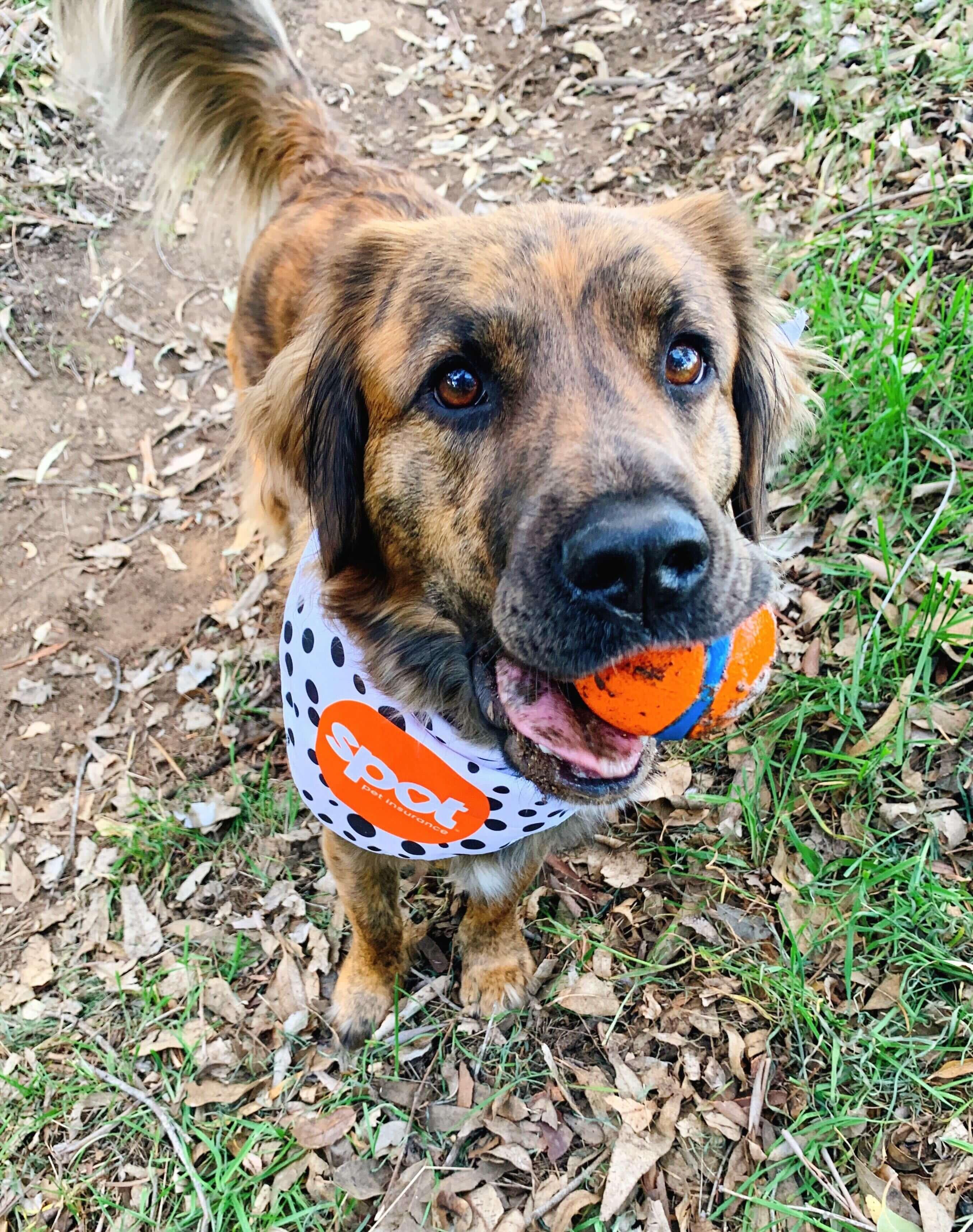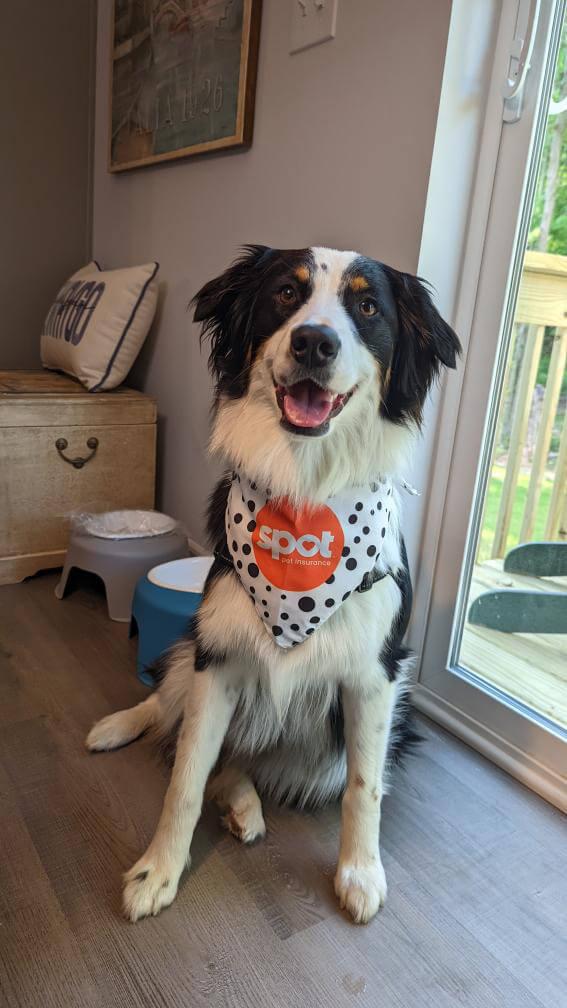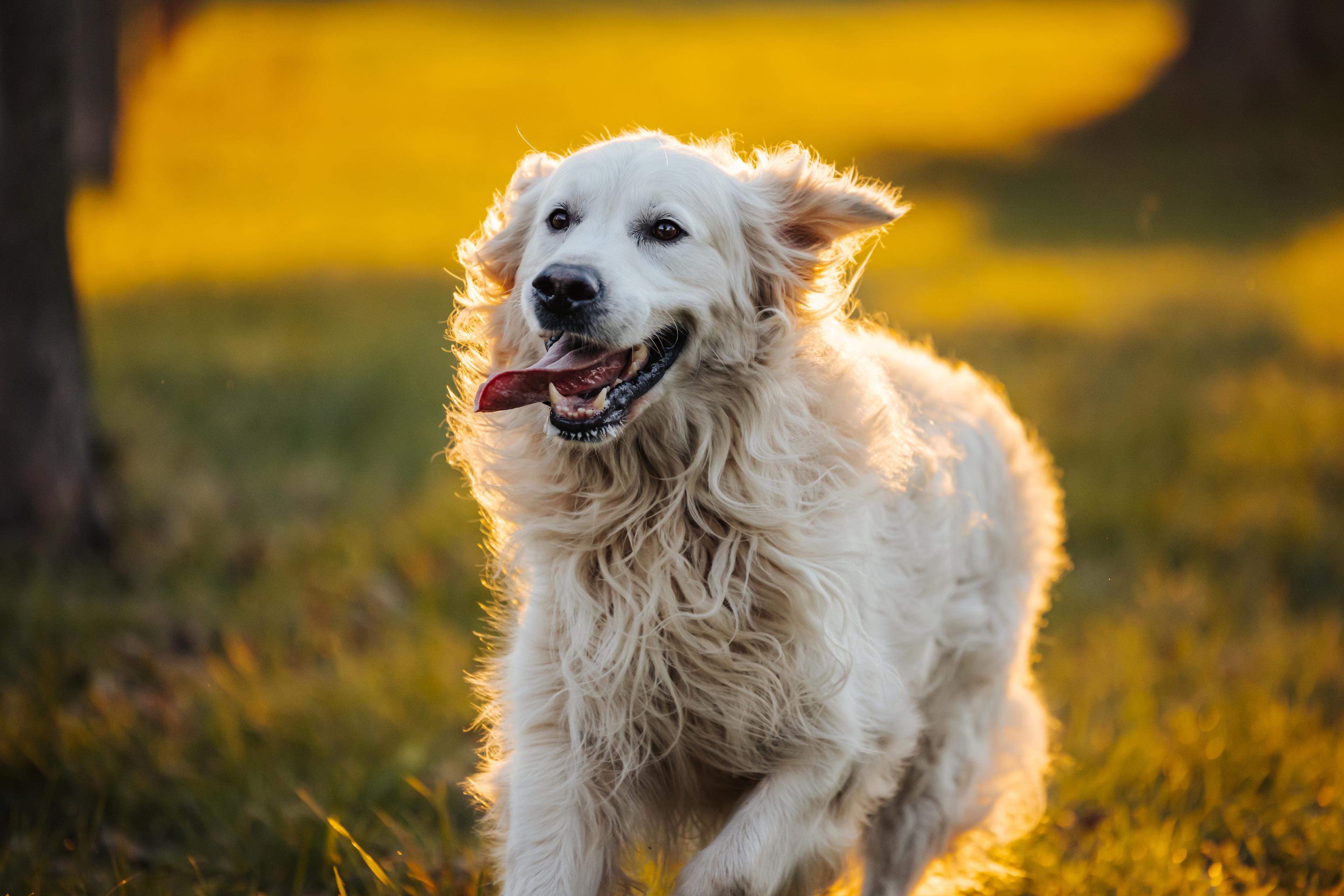
If you’ve ever watched your dog suddenly sprint full speed around the living room, spin in tight circles, and then stop as abruptly as they started, you’ve witnessed the zoomies. It’s one of the most entertaining things dogs do, and also one of the most common questions dog owners ask. The short answer: it’s normal, it’s healthy, and there’s a scientific name for it.
What Are Zoomies?
The official scientific term for zoomies is frenetic random activity periods, or FRAPs. According to Cornell University College of Veterinary Medicine¹, FRAPs are characterized by sudden bursts of intense physical activity — typically running in wide circles or figure-eights, often in a crouched, low-to-the-ground posture that maximizes speed.
The behavior usually lasts only 30 seconds to a few minutes, after which the dog stops abruptly and returns to normal. The intensity of the activity and the suddenness of both onset and stopping are what make zoomies visually distinct from regular play or exercise.
FRAPs are not unique to dogs. Similar behaviors are observed in cats, horses, rabbits, and various other animal species — suggesting that the behavior serves a common biological function across domesticated and wild animals.
Why Do Dogs Get the Zoomies?
The exact neurological mechanism behind FRAPs is not fully understood. What veterinary behaviorists have identified is that zoomies appear to serve as a release valve for accumulated physical or emotional energy.
Energy release: Dogs that have been resting, confined, or inactive for a period often burst into zoomies as a way to discharge stored physical energy all at once. This is why crate-resting dogs, dogs who’ve been on a long car ride, and dogs waking from a deep nap are frequent zoomie candidates.
Excitement and joy: Zoomies can also be a pure expression of positive arousal. Many dogs zoom when their owner comes home, when they see a favorite person, or right before a walk. In these cases, the behavior reflects a state of emotional overflow — the dog is too excited to contain it in a normal way.
Stress or discomfort relief: Post-bath zoomies are a classic example of stress-motivated FRAPs. Baths are stressful for many dogs — the restraint, the unfamiliar sensations, the wet fur. The zoomies that follow are likely a combination of stress release and an attempt to dry off and re-scent themselves by rolling and rubbing on familiar surfaces.
Post-elimination relief: Many dogs zoom immediately after going to the bathroom outdoors — particularly after a bowel movement. Behaviorists believe this reflects physical relief and a brief euphoric response to the discomfort of elimination being resolved.
Common Zoomie Triggers
While each dog has its own patterns, the most frequently reported triggers are:
After waking up — from naps or overnight sleep
After a bath — one of the most consistent triggers across dogs
After going to the bathroom — especially after pooping
In the evening — often between 7–9 PM, sometimes called the “witching hour”; this aligns with accumulated daily energy that hasn’t been burned off
When guests arrive — excitement-driven zoomies triggered by greeting people
During or after play — excitement escalating into a full FRAP
After a period of confinement — crate time, car rides, vet visits
Recognizing your dog’s typical triggers can help you anticipate zoomies and ensure they have a safe space to run.
Which Dogs Get the Zoomies Most?
Zoomies are most common in puppies and adolescent dogs, whose energy levels and impulse control are both running at their extremes. As dogs mature, the frequency of FRAPs typically decreases — though many adult and senior dogs continue to have zoomies throughout their lives, particularly if they are under-exercised or highly excitable.
Breed also plays a role. High-energy working and sporting breeds — such as Border Collies, Australian Shepherds, Labrador Retrievers, and Jack Russell Terriers — tend to zoom more frequently and with greater intensity than lower-energy or more sedentary breeds. Dogs in multi-dog households often trigger each other’s zoomies, as the excitement of one dog rapidly escalates the arousal of others.
Puppies especially benefit from consistent outlets for their energy, and providing regular exercise, play, and enrichment can reduce the intensity of zoomies without eliminating them.
Are Zoomies Safe?
In general, yes. FRAPs are a normal and healthy outlet for a dog’s energy and emotion. The American Veterinary Medical Association (AVMA)² recognizes normal dog behaviors like play and physical activity as important components of overall canine wellbeing.
That said, a few practical safety considerations apply:
Slippery surfaces: Dogs running at full speed on hardwood or tile floors can slip and injure a joint or muscle. If your dog tends to zoom indoors, place non-slip rugs in their typical running path.
Furniture and obstacles: Zoomies can be disorienting — dogs may not register furniture, stairs, or people in their path. Clearing the space or redirecting zoomies outdoors reduces the chance of collision injury.
Outdoor zoomies: If you let your dog zoom outdoors, ensure the area is securely fenced. A dog mid-FRAP has reduced awareness of their surroundings and may not respond reliably to recall commands.
When Should You Be Concerned?
Zoomies are rarely a cause for concern, but there are a few scenarios worth noting:
Sudden increase in frequency or intensity in a dog that previously had infrequent or mild FRAPs may reflect a change in anxiety level, an unmet exercise need, or an underlying health issue
Zoomies combined with other behavior changes — such as aggression, appetite loss, or disrupted sleep — warrant a veterinary conversation
Older dogs developing new zooming behavior after years without it may be experiencing cognitive dysfunction or a pain-related response; this is worth discussing with a veterinarian
Knowing when routine changes cross into signs that need veterinary attention helps owners respond appropriately without overreacting to normal behavior.
Added benefits and everyday support can help make a pet insurance plan feel even more valuable. Beyond emergency coverage, features that help support pet parents' peace of mind can make a real difference.
With Spot Pet Insurance, every plan includes 24/7 pet telehealth access and microchip implantation coverage. Spot also offers a Spot Perks program, giving pet parents access to up to $2,500 in discounts on popular pet brands.* Enroll your pet today.
*No purchase necessary. Based on total combined Spot Perks discounts applied to avg. vendor cart value. See spotpet.com/perks-terms.

We’re pet parents first—and writers, marketers, and product developers by trade—combining lived experience with industry expertise in everything we create.
Cornell University College of Veterinary Medicine. “What Are Zoomies?” Riney Canine Health Center. https://www.vet.cornell.edu/departments-centers-and-institutes/riney-canine-health-center/canine-health-information/what-are-zoomies
American Veterinary Medical Association (AVMA). “Pet Care: Dog Behavior and Wellness.” https://www.avma.org/resources-tools/pet-owners/petcare