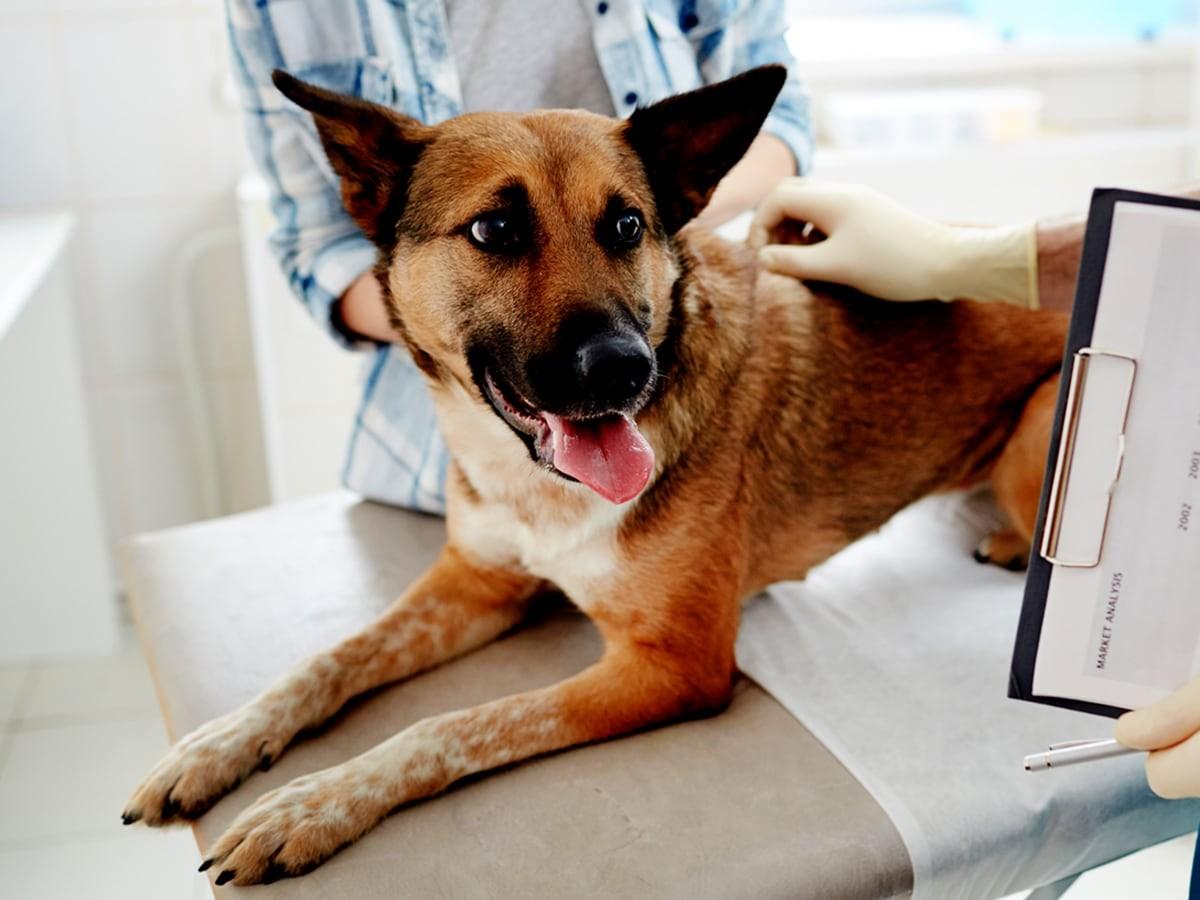
A blood test for your dog gives your veterinarian a detailed snapshot of your pet’s internal health — often catching problems before any visible symptoms appear. Routine bloodwork is one of the most reliable tools in preventive veterinary care. It measures dozens of markers across red and white blood cells, organ function, blood sugar, and electrolytes, helping vets detect conditions early, prepare for surgery safely, and monitor dogs on long-term medications.
What Does a Blood Test for a Dog Check?
Most veterinary blood panels include two components: a complete blood count (CBC) and a blood chemistry panel. Together, they give a broad picture of a dog’s health.
Complete Blood Count (CBC)
A CBC evaluates the three major types of blood cells: red blood cells, white blood cells, and platelets. According to VCA Animal Hospitals¹, the CBC reports the number, size, and shape of each cell type — details that help veterinarians identify anemia, infection, dehydration, and bleeding disorders.
Key CBC measurements include:
Red blood cell count and hematocrit: Low values signal anemia; elevated values may indicate dehydration
Hemoglobin: Measures the oxygen-carrying protein in red blood cells; low levels are associated with anemia or nutritional deficiencies
White blood cell (WBC) count: Reflects immune system activity — elevated counts often point to infection or inflammation; a differential breaks the WBC count into five subtypes to help identify the cause
Platelet count: Low platelet levels raise bleeding risk; abnormal values can suggest bone marrow changes or certain diseases
Blood Chemistry Panel
The chemistry panel (also called a biochemistry profile) evaluates organ function and measures proteins, enzymes, and electrolytes. Key markers include:
Kidney values (BUN and creatinine): Elevated levels may indicate kidney disease or dehydration
Liver enzymes (ALT, ALP): High values can point to liver disease, inflammation, or certain medication effects
Blood glucose: Abnormal levels can indicate diabetes or other metabolic conditions
Electrolytes (sodium, potassium, chloride): Imbalances can reflect dehydration, kidney problems, or endocrine disorders
When Does a Dog Need a Blood Test?
Veterinarians recommend blood work in several common situations:
Annual wellness screening: Routine blood tests establish a baseline and detect early changes before symptoms appear. For senior dogs — generally those 7 years and older — twice-yearly testing is commonly recommended, since age-related changes in kidney and liver function can develop more quickly.
Pre-anesthetic workup: Most vets require blood work before surgery or dental procedures to confirm the kidneys and liver can safely process anesthesia. Identifying problems before going under is far safer than discovering them after.
Evaluating a sick dog: When a dog presents with vague symptoms — lethargy, vomiting, increased thirst, or unexplained weight loss — blood work helps narrow the diagnosis quickly and efficiently.
Medication monitoring: Dogs on long-term medications, including NSAIDs, anticonvulsants, and thyroid drugs, need periodic bloodwork to verify that the kidneys and liver aren’t being negatively affected over time.
How to Read Dog Blood Test Results
Blood test reports include reference ranges — the expected values for healthy dogs — printed next to each measurement. Values flagged “H” (high) or “L” (low) fall outside the normal range.
One abnormal value rarely tells the full story. Veterinarians interpret results in context — alongside the dog’s age, breed, symptoms, and medical history. A mildly elevated kidney value in a healthy senior dog may warrant a recheck in a few weeks; the same value in a young sick dog may trigger immediate follow-up testing.
If your dog’s results have abnormal flags, ask your vet which values concern them most, whether additional testing is needed, and what follow-up looks like. Bring the printed report to the conversation — having the numbers in front of you makes it easier to ask informed questions.
How Much Does a Dog Blood Test Cost?
Cost depends on which tests are ordered, where you live, and whether the blood work is routine or diagnostic. According to PetMD², a combined CBC and biochemistry profile typically runs $100 to $200. Specialized add-ons are priced separately: a thyroid panel typically costs $50–$150, and a heartworm test runs $35–$75.
Extensive diagnostic panels ordered during a sick visit — especially when combined with urinalysis, imaging, or additional specialized tests — often cost more. For a broader picture of what routine veterinary visits cost, see how much does a vet checkup cost.
Does Pet Insurance Cover Dog Blood Tests?
Pet insurance can help with the cost of blood work — but coverage depends on why the test is being done.
Diagnostic bloodwork for a covered condition: Most accident and illness plans cover blood tests ordered to diagnose or monitor a covered illness or injury. If your dog is sick and blood work is part of the diagnostic workup, it would typically qualify under covered diagnostics. For a full look at what pet insurance includes, see what does pet insurance cover.
Routine annual blood work: Standard accident and illness plans generally don’t cover wellness screening. Preventive care add-ons — purchased in addition to a base policy — may cover annual blood panels. For more on how exam and diagnostic coverage works, see does pet insurance cover exams.
A note on timing: If blood work reveals a condition that was present before the policy’s effective date, costs related to that condition would typically be excluded as a pre-existing condition. Getting coverage in place before running diagnostic tests — and before any condition is identified — gives pet parents the broadest possible protection. For more on how pre-existing conditions work, see pre-existing conditions and pet insurance.
Frequently Asked Questions
How often should dogs get blood work?
For healthy adult dogs, annual blood work with a routine checkup is a common recommendation. Senior dogs — generally those 7 years and older — benefit from twice-yearly testing since organ function can change more quickly with age. Dogs on long-term medications may need blood monitoring every three to six months depending on the drug. Your veterinarian is the best guide for your specific dog.
Do dogs need to fast before a blood test?
Often yes. Most blood chemistry panels are more accurate when run on a fasted sample — eating before the test can temporarily elevate blood glucose and certain lipid values. Veterinarians typically ask pet parents to withhold food for 8 to 12 hours before the appointment. Water is usually fine to give throughout.
What does an abnormal dog blood test result mean?
It depends on which value is flagged and by how much. Some results are mildly outside the reference range and may resolve with a recheck or minor dietary adjustment. Others indicate a condition that needs prompt attention. Your vet will walk through which findings concern them, what follow-up testing they recommend, and whether treatment is indicated. Mild single-value abnormalities are common and don’t always mean something is seriously wrong.
Unexpected vet bills can happen when you least expect them, but pet insurance may help make those costs more manageable. Having coverage in place can help pet parents feel more prepared for emergency care, surgery, diagnostics, and treatment for covered conditions.
Spot Pet Insurance offers dog insurance plans starting at $15/month^ and cat insurance plans starting at $9/month^^, helping to make it easier to find coverage that fits your budget. Spot also makes filing claims simple with a digital claims process that lets pet parents submit a claim in 60 seconds or less. Get a free quote.
^ Advertised premium is based on an accident and illness plan with an 80% reimbursement rate, $500 annual deductible, and a $2,500 annual limit for a 2-year-old small mixed dog (11-25lbs) in 32009. Plan costs vary.
^^ Advertised premium is based on an accident and illness plan with an 80% reimbursement rate, $750 annual deductible, and a $2,500 annual limit for a 2-year-old mixed cat in 33801. Plan costs vary.

We’re pet parents first—and writers, marketers, and product developers by trade—combining lived experience with industry expertise in everything we create.
VCA Animal Hospitals. Complete Blood Count. VCA Animal Hospitals.
PetMD. Blood Work for Dogs and Cats. PetMD.