Glaucoma in dogs happens when fluid builds up inside the eye faster than it can drain, raising the eye's internal pressure to damaging levels. That pressure — called intraocular pressure, or IOP — can destroy the retina and optic nerve, and in acute cases can cause permanent blindness within hours to days. That's why any sudden change in your dog's eye deserves an urgent call to the vet.
What Is Glaucoma in Dogs?
Glaucoma is a disease of elevated pressure inside the eye. Under normal conditions, a clear fluid called aqueous humor continuously drains out through a small angle at the base of the cornea. When that drainage angle stops working properly, fluid backs up and pressure rises.
According to the Merck Veterinary Manual¹, this unhealthy pressure damages the retina and optic disk over time. Veterinarians classify the disease as open-angle or closed-angle glaucoma. Open-angle glaucoma tends to progress gradually with less obvious pain, while closed-angle glaucoma causes a sudden pressure spike with significant pain and rapid vision loss. The distinction between primary and secondary glaucoma — covered next — determines how urgently treatment is needed and what the long-term outlook looks like.
Primary vs. Secondary Glaucoma: What Causes It?
Veterinary ophthalmologists divide canine glaucoma into two categories based on the underlying cause.
Primary glaucoma develops in eyes that are otherwise healthy. According to Cornell University's College of Veterinary Medicine², it results from an inherited malformation of the eye's drainage angle. Because the defect is usually present in both eyes, a dog diagnosed in one eye is likely to develop it in the other too.
Secondary glaucoma develops because of an existing eye problem — including chronic inflammation, lens dislocation, tumors, internal bleeding, or trauma.² It typically affects only one eye and can carry a better outlook if the underlying condition is treated quickly.
Which Dog Breeds Are Prone to Glaucoma?
Primary glaucoma has a strong hereditary component. VCA Animal Hospitals³ reports that more than 30 dog breeds show increased susceptibility, including Cocker Spaniels, Poodles, Basset Hounds, Siberian Huskies, and Shar-Peis.
That said, glaucoma isn't limited to predisposed breeds. Secondary glaucoma can develop in any dog following an eye injury, infection, or other underlying eye disease — mixed-breed dogs included.
Because of this genetic link, veterinary ophthalmologists often recommend that pet parents of predisposed breeds schedule regular eye pressure checks starting in early adulthood, to catch changes before a painful, sight-threatening episode. Since the underlying drainage-angle defect is inherited, responsible breeders of at-risk breeds often have breeding dogs screened for early eye abnormalities before those dogs are bred.
What Are the Signs of Glaucoma in Dogs?
Early glaucoma can be easy to miss. Subtle early signs include a sluggish pupil response, mild redness from congested blood vessels, and slight enlargement of the eye — changes that are often overlooked until the disease has already progressed.¹
As pressure rises, symptoms become far more obvious:
A red or bloodshot eye
Cloudiness or a blue-gray haze across the cornea
A dilated pupil that doesn't respond normally to light
Squinting, pawing at the eye, or other signs of pain
Noticeable bulging or enlargement of the eyeball
Sudden vision loss, such as bumping into furniture
Any one of these signs — especially a sudden change — calls for an emergency vet visit, not a wait-and-see approach. Because glaucoma can cause permanent blindness within hours, pet parents who delay care even by a day risk the difference between saving vision and losing it for good.
How Is Glaucoma Diagnosed?
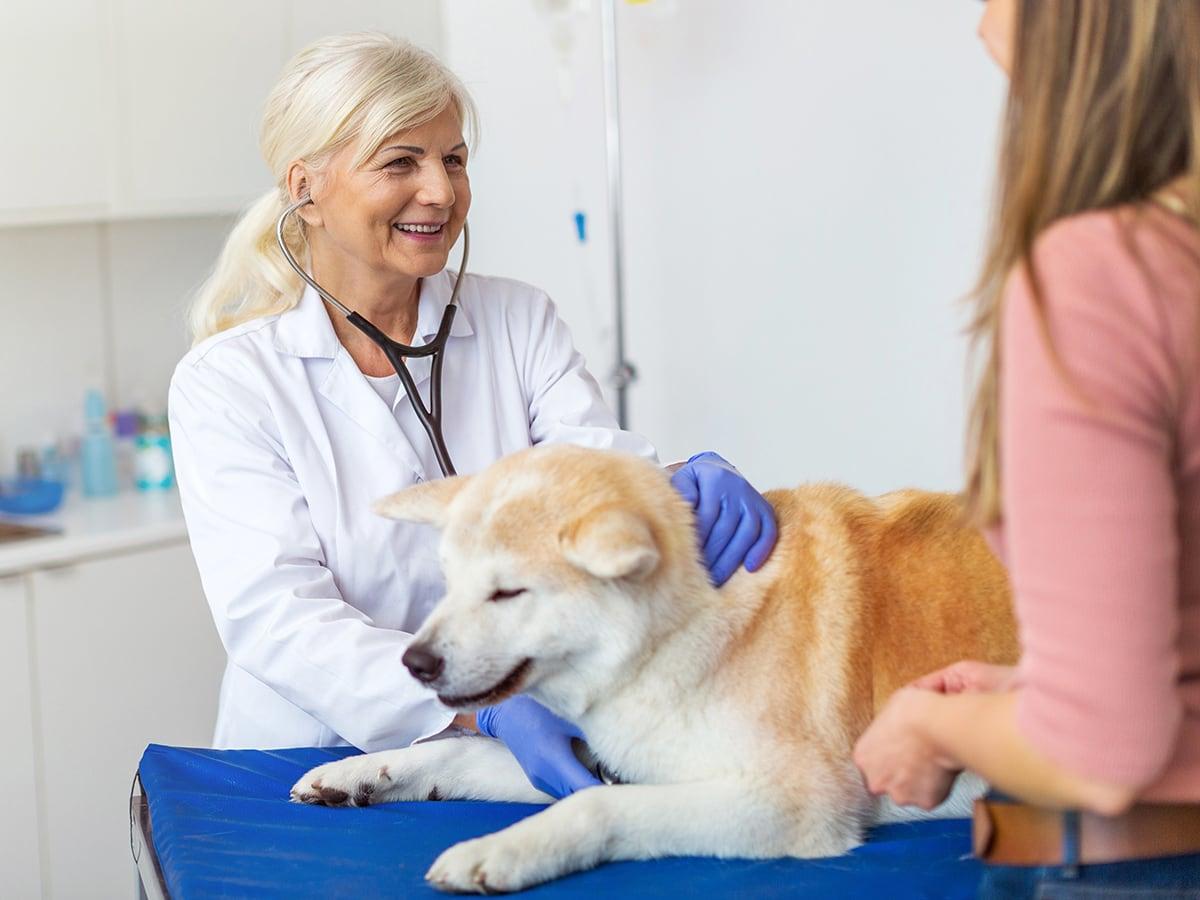
Veterinarians diagnose glaucoma primarily through tonometry, a quick, non-invasive test that measures intraocular pressure with a handheld instrument gently touched to the cornea. According to Cornell University's veterinary college², normal canine eye pressure typically maxes out around 20-28 mmHg, and pressures climbing above 40-50 mmHg call for emergency treatment.
A full ophthalmic exam usually follows, checking pupil response, the drainage angle, and the retina and optic nerve for damage. Vets often check the unaffected eye too, since primary glaucoma frequently develops there. Because early changes can be subtle, veterinary ophthalmologists sometimes recommend baseline pressure readings for predisposed breeds even before symptoms appear, so future changes are easier to catch.
How Is Glaucoma in Dogs Treated?
Treatment focuses on lowering eye pressure as quickly and safely as possible, then keeping it stable long-term. Initial care often includes topical eye drops — carbonic anhydrase inhibitors, beta blockers, or prostaglandin analogues — that reduce fluid production or improve drainage.¹ ² Emergency cases may also need oral or intravenous medication to bring pressure down fast.
When medication alone isn't enough, which is common in advanced or recurring cases, veterinary ophthalmologists may recommend surgery. Options include laser procedures that reduce fluid production, drainage implants, and, for eyes that are already blind and painful, surgical removal of the eye to relieve ongoing discomfort.³
Even with aggressive treatment, glaucoma tends to be progressive. Cornell's veterinary college² notes that blindness eventually develops in most affected eyes despite treatment, which is why catching the disease early — and following up with regular pressure checks in predisposed breeds — matters so much for preserving vision as long as possible.
Because treatment can involve specialist referrals, ongoing medication, and sometimes surgery, pet insurance can help offset these costs when glaucoma develops after a policy's effective date. Since primary glaucoma is hereditary and progresses gradually, signs documented beforehand are typically treated as a pre-existing condition and excluded — so enrolling predisposed breeds early gives the broadest chance of coverage.
Frequently Asked Questions
Is glaucoma in dogs an emergency?
Yes. Acute glaucoma is considered a true veterinary emergency because elevated eye pressure can cause permanent blindness within hours to days if left untreated. If you notice sudden redness, cloudiness, squinting, or pupil changes in your dog's eye, contact an emergency vet right away instead of waiting for a regular appointment. Fast treatment gives the best chance of preserving vision.
Can glaucoma in dogs be cured?
Glaucoma generally can't be cured, but it can often be managed. Medication and, in some cases, surgery can lower eye pressure and slow disease progression, especially when treatment starts early. Even so, veterinary ophthalmologists note that most affected eyes eventually lose vision over time, even with consistent long-term management.
What dog breeds are most at risk for glaucoma?
Breeds with a documented predisposition to primary glaucoma include Cocker Spaniels, Basset Hounds, Poodles, Siberian Huskies, Chow Chows, and Shar-Peis, among more than 30 recognized breeds. Predisposed dogs benefit from regular eye pressure screenings starting in early adulthood, since catching elevated pressure early gives pet parents and veterinarians the best chance to protect vision long-term.
Does glaucoma in dogs hurt?
Yes, glaucoma is typically painful, especially when pressure rises quickly. Dogs often show pain through squinting, pawing at the eye, reduced appetite, or lethargy rather than obvious crying. Because pain signs can be subtle, any change in eye appearance combined with these behaviors should prompt a same-day veterinary evaluation rather than a wait-and-see approach.
Unexpected vet bills can happen when you least expect them, but pet insurance may help make those costs more manageable. Having coverage in place can help pet parents feel more prepared for emergency care, surgery, diagnostics, and treatment for covered conditions.
Spot Pet Insurance offers dog insurance plans starting at $15/month^ and cat insurance plans starting at $9/month^^, helping to make it easier to find coverage that fits your budget. Spot also makes filing claims simple with a digital claims process that lets pet parents submit a claim in 60 seconds or less. Get a free quote.
^ Advertised premium is based on an accident and illness plan with an 80% reimbursement rate, $500 annual deductible, and a $2,500 annual limit for a 2-year-old small mixed dog (11-25lbs) in 32009. Plan costs vary.
^^ Advertised premium is based on an accident and illness plan with an 80% reimbursement rate, $750 annual deductible, and a $2,500 annual limit for a 2-year-old mixed cat in 33801. Plan costs vary.

We’re pet parents first—and writers, marketers, and product developers by trade—combining lived experience with industry expertise in everything we create.
Merck Veterinary Manual. "Glaucoma in Dogs." Merck Veterinary Manual, September 2024. https://www.merckvetmanual.com/dog-owners/eye-disorders-of-dogs/glaucoma-in-dogs
Cornell University College of Veterinary Medicine. "Glaucoma." Riney Canine Health Center, July 2024. https://www.vet.cornell.edu/departments-centers-and-institutes/riney-canine-health-center/canine-health-topics/glaucoma
VCA Animal Hospitals. "Glaucoma in Dogs." VCA Animal Hospitals, April 2023. https://vcahospitals.com/know-your-pet/glaucoma-in-dogs