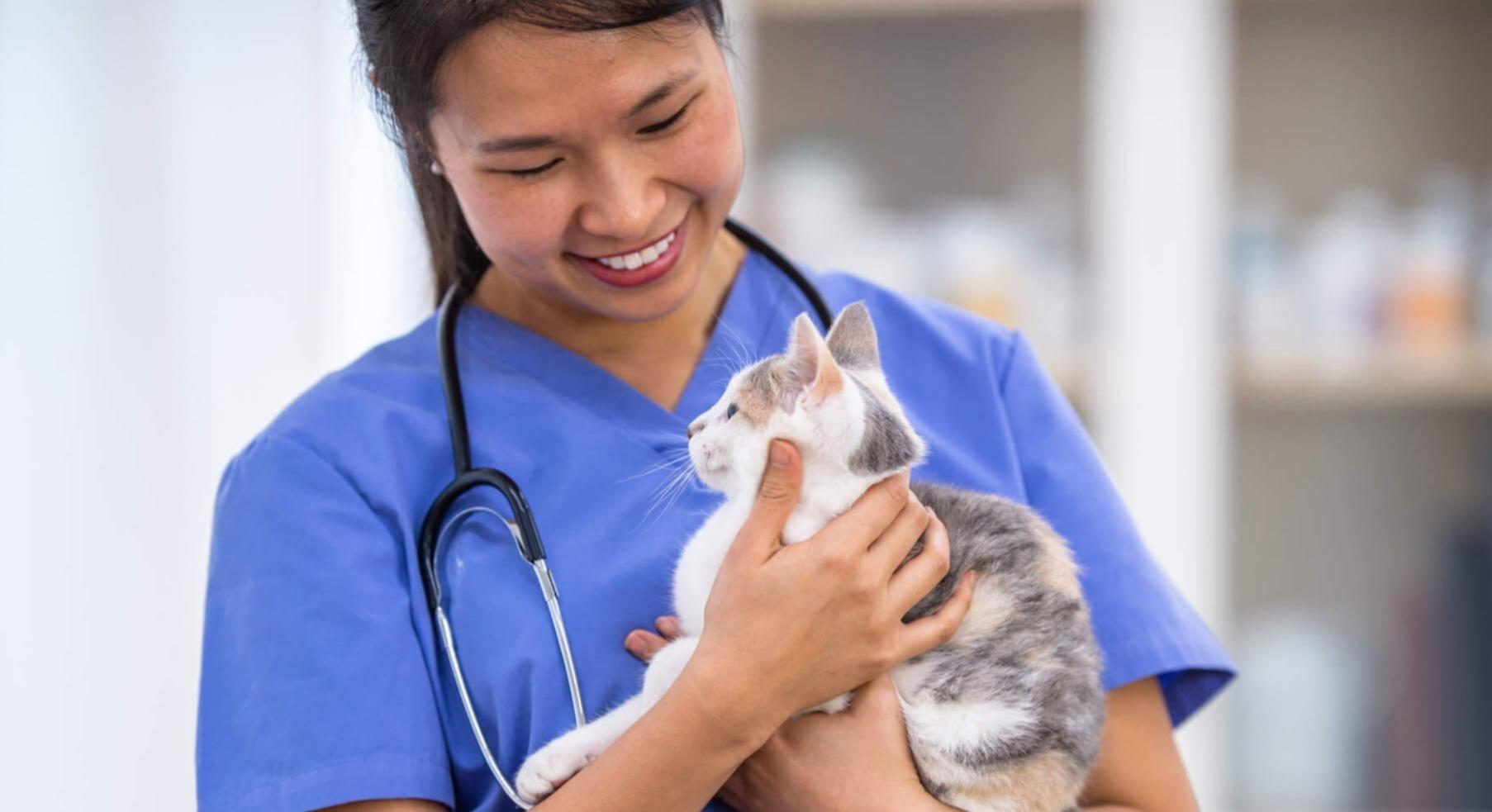
Anemia in cats means your cat's body doesn't have enough healthy red blood cells or hemoglobin to carry oxygen. It's not a disease on its own — it's a sign of an underlying problem, ranging from fleas and parasites to viral infections like FeLV and FIV, kidney disease, or cancer. Because severity varies so widely, if you notice pale gums, unusual tiredness, or rapid breathing in your cat, treat it as a reason for a same-day vet visit rather than a wait-and-see symptom.
What Is Anemia in Cats?
Anemia in cats happens when the number of circulating red blood cells, the hemoglobin they carry, or both drop below normal. According to VCA Animal Hospitals¹, a healthy cat's packed cell volume (PCV) typically falls between 25% and 45% — anything lower signals anemia.
Because hemoglobin carries oxygen from the lungs to the body, low levels starve tissues of oxygen. That's why anemia is treated as a symptom, not a standalone diagnosis.
Vets generally sort anemia into two categories. Regenerative anemia means the marrow is actively replacing lost cells, usually from bleeding or hemolysis. Nonregenerative anemia², by contrast, means the marrow isn't keeping up — often due to chronic disease, kidney problems, or a bone marrow disorder itself.
What Causes Anemia in Cats?
Anemia has three root causes: blood loss, red blood cell destruction, and reduced production. Identifying which applies shapes the treatment plan.
Blood loss can be obvious, like trauma, or hidden, like a bleeding stomach ulcer. Parasites are a common culprit too — fleas and hookworms can drain enough blood to cause anemia, and this is especially dangerous in kittens, whose smaller blood volume makes even a moderate flea infestation life-threatening.¹
Red blood cell destruction, called hemolysis, happens when cells break down faster than the body can replace them. Immune-mediated hemolytic anemia (IMHA), certain toxins like onions, acetaminophen, and zinc, and blood parasites such as Mycoplasma haemofelis can all trigger hemolysis.² Feline leukemia virus (FeLV) is also linked to hemolytic anemia in some cats.² Understanding what an FIV diagnosis means for insurance coverage is worth knowing, since FIV-positive cats face a higher risk of blood-related complications.
Reduced production occurs when the marrow can't make enough new red blood cells. Chronic kidney disease is a common cause in older cats, since diseased kidneys produce less of the hormone that signals marrow to make red cells.² FeLV infection, chronic inflammation, poor nutrition, and bone marrow disorders — including certain cancers that infiltrate the marrow directly — can also suppress production.²
Recognizing the Signs: Pale Gums and Other Symptoms
Pale or whitish gums are the single most recognizable sign of anemia in cats, since healthy gums are normally a deep pink. Other common signs include lethargy, weakness, a faster heart rate, labored breathing, and a reduced interest in food or play.¹
Some causes add their own clues. Cats with hemolytic anemia may develop jaundice — a yellowish tinge to the gums, eyes, or skin — along with a fever.² Blood loss anemia may come with visible signs like blood in the urine or stool, or dark, tarry stools from digested blood.²
Because anemia can develop gradually or strike suddenly, don't wait to see if symptoms resolve on their own. A cat that collapses, stops eating, or seems unusually short of breath needs veterinary attention that same day.
How Vets Diagnose Anemia With Bloodwork and Viral Testing
A complete blood count (CBC) is the starting point for diagnosing anemia in cats, measuring red blood cell count, hemoglobin, and packed cell volume in one panel.¹ From there, your veterinarian looks at reticulocyte counts — essentially "baby" red blood cells — to determine whether the bone marrow is responding appropriately (regenerative) or falling behind (nonregenerative).²
An FeLV/FIV test is standard when diagnosing anemia in cats, since both viruses are linked to blood disorders.² A blood smear lets a technician examine cells directly under a microscope, checking for abnormal shapes, parasites, or evidence of the immune system attacking red blood cells. Depending on what the CBC shows, your vet may order additional tests: a biochemistry panel and urinalysis to check kidney function, fecal testing for parasites, imaging to look for internal bleeding or tumors, and in unclear or nonregenerative cases, a bone marrow biopsy.²
If your cat has a history of a chronic condition like kidney disease or FeLV, it's worth knowing how pre-existing conditions affect pet insurance coverage before a flare-up sends you back to the vet.
Treatment Options, From Supportive Care to Transfusion
Treatment for anemia in cats depends entirely on what's causing it — there's no single fix. Mild cases from a treatable cause, like a flea infestation, often resolve with antiparasitic treatment and time as the bone marrow rebuilds red blood cell counts.
For immune-mediated hemolytic anemia, vets typically prescribe corticosteroids or other immunosuppressive drugs to stop the immune attack on red blood cells.² Anemia tied to chronic kidney disease may be managed with synthetic erythropoietin injections, which replace the hormone diseased kidneys no longer produce in sufficient amounts.² Cancer-related anemia may require chemotherapy, surgery, or other cancer-specific treatment depending on the tumor type and location.
In moderate to severe cases, cats need supportive care first: intravenous fluids, oxygen therapy, and close monitoring while the underlying cause is addressed. When anemia becomes severe, or the drop in red blood cells happens quickly, a blood transfusion can stabilize a cat long enough for other treatments to take effect.¹
When Anemia Becomes a Veterinary Emergency
Anemia can range from a mild, manageable finding on routine bloodwork to a genuine medical emergency. If your cat has pale gums, collapses, breathes rapidly, or has a racing heart rate, get them seen immediately rather than waiting for a routine appointment — sudden, severe anemia can lead to shock.²
This is especially true for kittens with heavy flea infestations and cats with fast-progressing hemolytic anemia, both of which can escalate within days.¹ If your regular vet isn't available, knowing what to expect during an emergency room visit ahead of time can help you act quickly instead of losing time figuring out where to go.
Frequently Asked Questions
Is anemia in cats serious?
It depends on the cause and how quickly it develops. Mild anemia from a treatable issue, like a flea infestation, often resolves well with treatment. Severe or fast-developing anemia — especially from FeLV, internal bleeding, or toxin ingestion — can be life-threatening and needs emergency veterinary care right away.
What does anemia look like in a cat's gums?
Healthy gums are a deep pink. With anemia, gums typically look pale pink, white, or grayish because there aren't enough red blood cells circulating to give them their normal color. Checking gum color is a quick, simple way pet parents can watch for early warning signs at home.
Can FeLV-related anemia in cats be treated?
There's no cure for FeLV itself, but the anemia it causes can often be managed. Vets treat FeLV-related anemia with supportive care, blood transfusions for severe cases, and medications that address the specific blood problem, helping many cats live comfortably for months or years.
How long does it take a cat to recover from anemia?
Recovery time varies widely by cause. Blood-loss anemia from a resolved issue, like a treated flea infestation, may improve within one to two weeks as the bone marrow rebuilds red blood cells. Chronic conditions like kidney disease or FeLV can take longer to manage and may require ongoing monitoring rather than a full cure.
The right pet insurance plan should help support your pet through both unexpected accidents and health needs. Understanding what's included in your policy can help you choose coverage that fits your pet's lifestyle.
Spot Pet Insurance offers accident and illness coverage to help reimburse eligible costs related to covered injuries, illnesses, diagnostics, and treatment. Pet parents can also add optional preventive care coverage for routine services like annual exams, dental cleanings, and certain vaccines. Learn more about what pet insurance covers or get a free quote.

We’re pet parents first—and writers, marketers, and product developers by trade—combining lived experience with industry expertise in everything we create.
VCA Animal Hospitals. "Anemia in Cats." VCA Animal Hospitals, October 11, 2023. https://vcahospitals.com/know-your-pet/anemia-in-cats
Roman, Nick, DVM, MPH (reviewed by Laurie Hess, DVM, DABVP). "Anemia in Cats." Merck Veterinary Manual, March 2026. https://www.merckvetmanual.com/cat-owners/blood-disorders-of-cats/anemia-in-cats