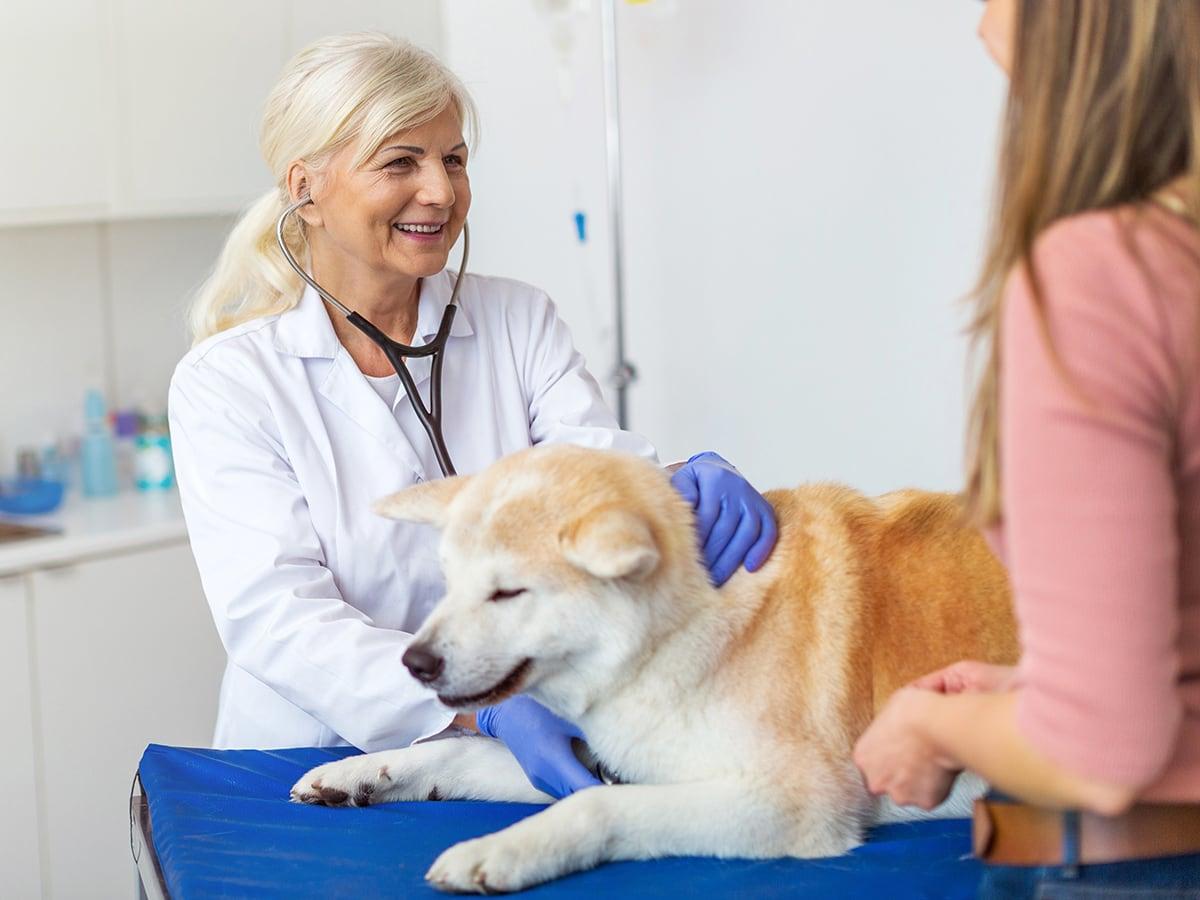
Respiratory illnesses in dogs cover a wide range — from kennel cough, a highly contagious but usually mild condition, to pneumonia and tracheal collapse, which can be serious and require prompt veterinary care. Understanding the most common respiratory conditions helps pet parents recognize early warning signs and know when a cough is worth monitoring versus when it needs immediate attention.
Common Respiratory Illnesses in Dogs
Dogs can develop respiratory conditions that affect different parts of the airway — nose, throat, trachea, bronchi, or lungs. The most frequently seen include:
Condition | Primary Sign | Urgency |
|---|---|---|
Kennel cough | Honking or hacking cough | Usually mild; vet if worsening |
Canine influenza | Cough, runny nose, fever | Moderate; vet recommended |
Pneumonia | Wet cough, labored breathing | Serious; vet promptly |
Tracheal collapse | Honking cough, especially in small breeds | Chronic; vet for management |
Brachycephalic syndrome | Noisy breathing, snoring, exercise intolerance | Chronic; vet for severe cases |
Signs of Respiratory Illness in Dogs
Symptoms vary by condition and severity, but general signs to watch for include:
Coughing — the character matters: dry/honking vs. wet/productive
Nasal discharge — clear, yellow, or green
Labored or rapid breathing — noticeable effort to breathe, especially at rest
Wheezing or noisy breathing — high-pitched sounds during inhalation or exhalation
Lethargy and reduced activity — less energy, reluctance to exercise
Fever, loss of appetite — signs of systemic illness
Blue or gray gums — an emergency sign indicating poor oxygenation
Any dog with labored breathing, blue gums, or collapse should be seen by a veterinarian immediately.
Kennel Cough
Kennel cough — officially known as canine infectious respiratory disease (CIRD) — is one of the most common respiratory illnesses in dogs. According to the American Kennel Club¹, it's caused by a combination of pathogens including the bacterium Bordetella bronchiseptica along with viruses such as parainfluenza and adenovirus.
The hallmark sign is a forceful, honking cough that can sound alarming but is often more uncomfortable than dangerous. Other signs include gagging, sneezing, mild fever, and nasal discharge. Dogs typically recover within one to three weeks with rest, though antibiotics may be prescribed to prevent or treat secondary bacterial infections.¹
Kennel cough spreads rapidly through direct contact, airborne droplets, and shared surfaces — making boarding facilities, groomers, dog parks, and daycares higher-risk environments. Vaccination against Bordetella significantly reduces risk and severity. Learn more about the importance of vaccinating your dog or cat.
Pneumonia in Dogs
Pneumonia is a more serious respiratory condition involving inflammation of the lungs. The American Kennel Club¹ describes three primary types: infectious (caused by bacteria, viruses, or fungi), aspiration (from inhaling vomit or foreign material), and pneumonia arising from underlying health conditions.
Unlike kennel cough's dry honking, pneumonia typically produces a deep, wet-sounding cough along with labored breathing, fever, lethargy, and reduced appetite. Severe cases can cause blue-tinged gums — a sign the dog isn't getting enough oxygen.
Treatment depends on the type. Bacterial pneumonia is treated with antibiotics; fungal pneumonia requires antifungal medications that may continue for months. Severe cases require hospitalization with oxygen therapy and IV fluids.¹ Puppies, senior dogs, and immunocompromised dogs face the greatest risk of complications.
Tracheal Collapse
Tracheal collapse is a chronic, progressive condition in which the cartilage rings that hold the trachea open weaken over time, causing the airway to flatten during breathing. According to VCA Animal Hospitals², it most commonly affects small and toy breeds — including Chihuahuas, Pomeranians, Yorkshire Terriers, and Shih Tzus — though any dog can develop it.
The characteristic sign is a persistent, goose-honk cough that worsens with excitement, heat, collar pressure, or eating. Since the condition is progressive, management rather than cure is the goal. Treatment includes cough suppressants, anti-inflammatories, bronchodilators, and weight management.² Switching from a collar to a harness reduces pressure on the trachea and is one of the most practical home interventions.
Other Respiratory Conditions in Dogs
Canine influenza (dog flu) shares many symptoms with kennel cough — cough, nasal discharge, mild fever — but is caused by specific influenza strains (H3N2 and H3N8). Most dogs recover with supportive care, though complications like pneumonia can develop in vulnerable dogs. A bivalent influenza vaccine is available.
Brachycephalic airway syndrome affects flat-faced breeds like Bulldogs, Pugs, and Boston Terriers. The compressed facial structure causes narrowed nostrils, an elongated soft palate, and a narrowed trachea, leading to snoring, noisy breathing, exercise intolerance, and overheating. Mild cases are managed with lifestyle adjustments; severe cases may require corrective surgery.
When Is Breathing Difficulty an Emergency?
Take your dog to an emergency vet immediately if you observe:
Blue, gray, or white gums — oxygen deprivation
Labored breathing at rest — heaving sides, neck extended, visible effort
Open-mouth breathing with distress — unusual in dogs at rest
Collapse or extreme weakness — indicates respiratory failure
Rapid deterioration — breathing that worsens over minutes to hours
Dogs with known respiratory conditions should have an established relationship with a veterinarian so that a care plan is in place before a crisis develops. A routine exam is also the right time to discuss your dog's respiratory health — see how much a vet checkup costs to plan ahead.
Frequently Asked Questions
What are the most common respiratory illnesses in dogs?
Kennel cough is the most frequently diagnosed respiratory illness in dogs — it spreads easily in group settings and produces a distinctive honking cough. Canine influenza, pneumonia, and tracheal collapse are also common, each varying in severity. Brachycephalic airway syndrome is prevalent in flat-faced breeds and causes chronic breathing difficulty. Most respiratory illness is treatable, but early veterinary involvement leads to better outcomes.
Is kennel cough dangerous for dogs?
Most cases of kennel cough are mild and resolve on their own in one to three weeks. However, it can progress to pneumonia, particularly in puppies, senior dogs, or immunocompromised dogs. Any kennel cough case with worsening symptoms — deep wet coughing, fever, or lethargy — warrants a veterinary visit. Vaccination significantly reduces severity and duration even if a vaccinated dog is exposed.
Can respiratory conditions in dogs become pre-existing exclusions?
Yes. Chronic respiratory conditions like tracheal collapse or brachycephalic airway syndrome, once diagnosed, are typically classified as pre-existing on any new pet insurance policy. Enrolling while your dog is healthy helps ensure these conditions have the best chance of being covered if they develop later. See pre-existing conditions and pet insurance for details on how this works.
Does pet insurance cover respiratory illnesses in dogs?
Accident and illness plans generally help cover acute respiratory illnesses like kennel cough, influenza, and pneumonia, as long as they're not pre-existing at enrollment. Coverage typically extends to diagnostics, medications, hospitalization, and follow-up care for covered conditions. Chronic conditions may be covered if diagnosed after enrollment and not pre-existing.
The right pet insurance plan should help support your pet through both unexpected accidents and health needs. Understanding what's included in your policy can help you choose coverage that fits your pet's lifestyle.
Spot Pet Insurance offers accident and illness coverage to help reimburse eligible costs related to covered injuries, illnesses, diagnostics, and treatment. Pet parents can also add optional preventive care coverage for routine services like annual exams, dental cleanings, and certain vaccines. Learn more about what pet insurance covers or get a free quote.

We’re pet parents first—and writers, marketers, and product developers by trade—combining lived experience with industry expertise in everything we create.
American Kennel Club. "Kennel Cough in Dogs." AKC. https://www.akc.org/expert-advice/health/kennel-cough-in-dogs/ | "Dog Pneumonia." AKC. https://www.akc.org/expert-advice/health/dog-pneumonia/
VCA Animal Hospitals. "Tracheal Collapse in Dogs." VCA Animal Hospitals. https://vcahospitals.com/know-your-pet/tracheal-collapse-in-dogs