The FVRCP vaccine is the most important routine vaccine your cat will receive. It is classified as a core vaccine — meaning it is recommended for every cat, regardless of lifestyle — because it protects against three diseases that are highly contagious, widespread in cat populations, and capable of causing serious illness or death. Here is what pet parents need to know about what FVRCP covers, when cats need it, what to expect after vaccination, and what it costs.
What Does FVRCP Stand For?
FVRCP is an abbreviation for the three diseases the vaccine targets:
Feline Viral Rhinotracheitis (FVR) is caused by feline herpesvirus type 1 (FHV-1). According to PetMD¹, almost all cats are exposed to FHV-1 at some point in their lives. The virus causes upper respiratory infections — sneezing, eye discharge, nasal congestion — and some cats develop lifelong latent infections with periodic flare-ups, particularly during stress.
Calicivirus (C) is a common respiratory virus that typically causes a respiratory infection along with painful oral ulcers, according to PetMD¹. In some cases, particularly in kittens, calicivirus can cause systemic illness and joint inflammation. Multiple strains circulate, so calicivirus protection is a routine part of every cat’s vaccination plan.
Panleukopenia (P), also called feline distemper or feline parvovirus, is among the most dangerous infectious diseases in cats. PetMD¹ describes panleukopenia as a highly contagious virus that causes severe vomiting, diarrhea, fever, lethargy, and dehydration — and notes that it is frequently fatal, particularly in kittens. The virus is exceptionally hardy and can survive in the environment for months.
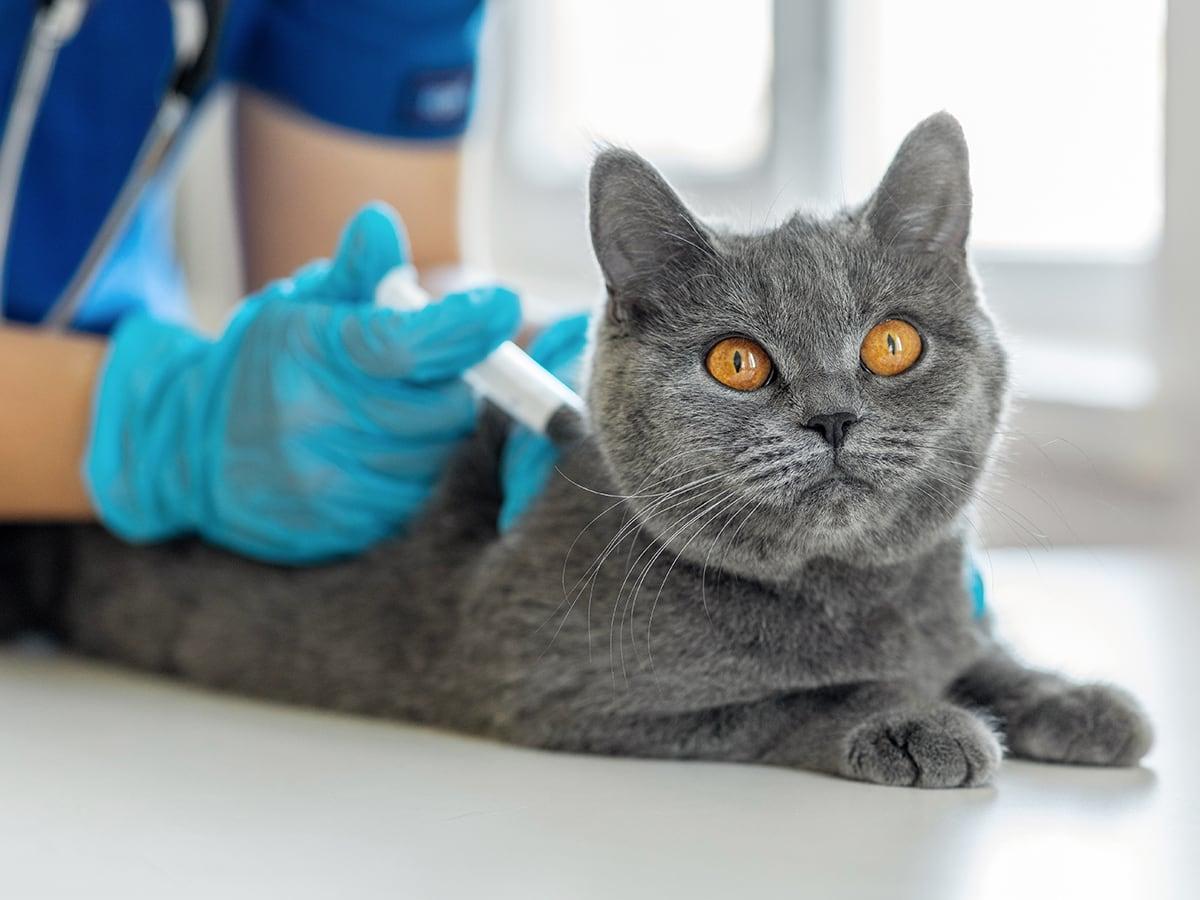
The FVRCP combination vaccine is designed to cover all three with a single injection, making it one of the most efficient and important vaccines in feline medicine.
Do Indoor Cats Need the FVRCP Vaccine?
Yes — and this is one of the most common misunderstandings about cat vaccination. Because all three diseases covered by FVRCP are highly contagious and environmentally persistent, indoor cats are not protected by their lifestyle alone.
FHV-1 and calicivirus spread through respiratory secretions and direct contact — but they can also be introduced into a home on clothing or shoes, or through contact with another cat during a vet visit. Panleukopenia is particularly difficult to contain: the parvovirus can survive on surfaces, in soil, and in contaminated objects for extended periods, meaning it can reach a strictly indoor cat through indirect pathways.
Vaccination is the only reliable protection. The FVRCP vaccine is core-classified precisely because every cat — regardless of whether it goes outside — benefits from it. Learn more about the importance of vaccinating your dog or cat.
What Is the FVRCP Vaccination Schedule for Cats?
The FVRCP schedule follows the same general pattern as other core feline vaccines, with a kitten series followed by adult boosters.
Kittens: The series begins at 6–8 weeks of age, per PetMD¹. Boosters are given every 3–4 weeks until the kitten is at least 16 weeks old — typically resulting in three to four total doses. The series extends through 16 weeks because maternal antibodies from the mother cat can interfere with vaccine effectiveness in young kittens, and the final dose must be given after those antibodies have waned.
First booster: One booster is given 6–12 months after the final kitten dose to confirm immunity.
Adult revaccination: After the kitten series and first-year booster, adult cats receive FVRCP boosters every three years under current guidelines. Your veterinarian may recommend a different interval based on your cat’s age, health status, lifestyle, or local disease prevalence.
If a cat’s vaccination history is unknown or they are significantly overdue, your veterinarian will advise on the appropriate catch-up approach.
What Are the Side Effects of the FVRCP Vaccine?
The FVRCP vaccine is generally well-tolerated. According to PetMD¹, the most common reactions are mild and temporary:
Lethargy or low energy for 24–48 hours
Soreness or swelling at the injection site
Mild fever or reduced appetite
These effects typically resolve on their own within a day or two. They are signs of the immune system responding to the vaccine, not indicators of illness.
Serious allergic reactions — hives, facial swelling, vomiting, difficulty breathing, or collapse — are rare but require immediate veterinary attention if they occur. Contact your veterinarian if your cat shows any concerning symptoms following vaccination.
Unlike some rabies vaccines, FVRCP vaccines are not associated with feline injection-site sarcoma (FISS) risk.
How Much Does the FVRCP Vaccine Cost?
Cost varies by location, clinic type, and whether the vaccine is administered during a routine exam or at a low-cost vaccine event. According to Spectrum Care², FVRCP vaccination at a low-cost clinic typically runs $15–$25² per dose, while the same vaccine at a full-service veterinary hospital typically costs $25–$60² before any exam fee.
For kittens, the cumulative cost of the initial series is higher than for adult boosters, since three to four doses are needed during the first four months of life. A routine checkup is a useful opportunity to bundle the FVRCP vaccine with a full wellness exam; learn more about what a vet checkup typically includes.
Low-cost vaccine clinics through humane societies and nonprofit animal welfare organizations are an option for reducing out-of-pocket costs while still ensuring full core vaccine coverage.
Does Pet Insurance Help With FVRCP Costs?
Standard accident and illness pet insurance plans do not help cover routine vaccinations. However, optional preventive care add-ons can help reimburse a portion of core vaccine costs, including FVRCP, as part of annual wellness care. For pet parents whose cats are current on all their vaccines and receive annual exams, a preventive care add-on may help offset its cost over the course of a year. Learn more about how preventive care add-ons work.
Frequently Asked Questions
Is the FVRCP vaccine the same as the feline distemper vaccine?
Yes — partly. Feline distemper is another name for panleukopenia, the “P” in FVRCP. The FVRCP vaccine includes panleukopenia protection along with coverage for feline viral rhinotracheitis and calicivirus. When a veterinarian or clinic refers to a “feline distemper vaccine,” they may mean FVRCP specifically or just the panleukopenia component, depending on context. Ask your veterinarian to clarify which combination vaccine your cat is receiving.
How often does an adult cat need the FVRCP vaccine?
After completing the kitten series and receiving the first-year booster, most adult cats are revaccinated every three years. Some veterinarians may recommend annual boosters for cats with high-exposure lifestyles — those who board frequently, attend shows, or live in multi-cat households. Your veterinarian can advise on the interval that makes the most sense for your individual cat.
Can a cat get FVRCP diseases even after vaccination?
Vaccination significantly reduces the risk and severity of disease, but it does not guarantee prevention in all cases. The calicivirus component is particularly subject to strain variation — multiple calicivirus strains exist, and the vaccine may not fully protect against all of them. However, vaccinated cats that do become infected generally experience milder illness and recover more quickly than unvaccinated cats.
What is feline viral rhinotracheitis, and why does it matter?
Feline viral rhinotracheitis (FVR) is a respiratory infection caused by feline herpesvirus type 1. It is extremely common in cats and produces symptoms similar to a human cold — sneezing, nasal discharge, and eye inflammation. Unlike a human cold, FHV-1 can establish a lifelong latent infection in cats, with symptoms recurring during stress or illness. Vaccination reduces the likelihood and severity of initial infection and flare-ups.
Choosing pet insurance is about more than preparing for emergencies — it’s also about finding coverage that fits your pet’s needs and your budget. The right plan can help support both everyday peace of mind and long-term financial flexibility.
With Spot Pet Insurance, pet parents can customize their coverage with reimbursement options from 70% to 90%, annual limits up to unlimited, and deductible choices that work for their lifestyle. Spot also offers optional preventive care add-ons that can help with the eligible costs of routine services like annual exams, dental cleanings, and certain vaccines. Learn more about what pet insurance covers.

We’re pet parents first—and writers, marketers, and product developers by trade—combining lived experience with industry expertise in everything we create.
PetMD Editorial. “What Is the FVRCP Vaccine, and Why Does Your Cat Need It?” PetMD. https://www.petmd.com/cat/general-health/fvrcp-vaccine
Spectrum Care. “Cat Vaccine Cost.” Spectrum Care. https://spectrumcare.pet/cats/costs/cat-vaccine-cost