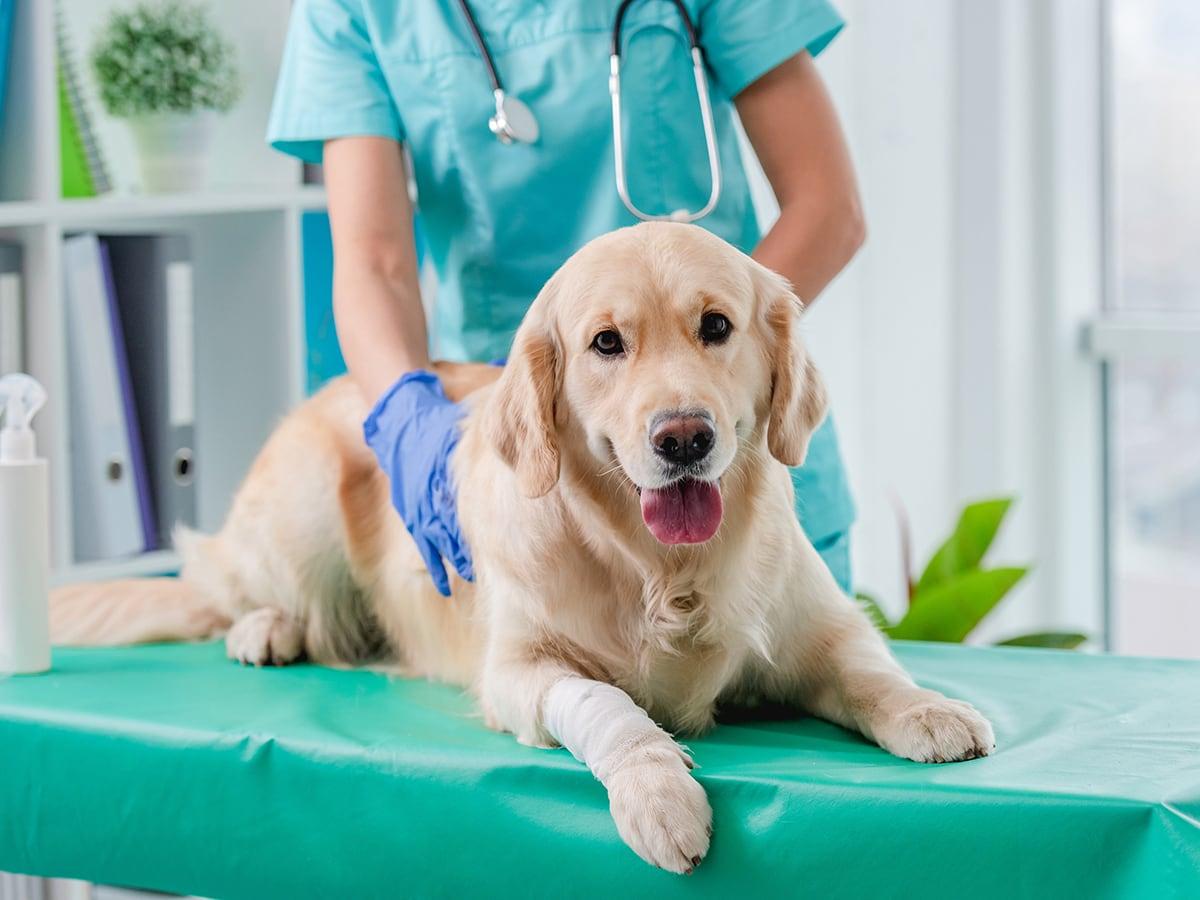
Intervertebral disc disease (IVDD) is a spinal condition in which the cushioning discs between a dog's vertebrae break down or rupture, pressing on the spinal cord. It can cause anything from mild back pain to sudden paralysis. According to the American Kennel Club¹, small, long-bodied breeds like Dachshunds face the highest risk — but the condition can develop in any dog. When caught early, many dogs respond well to treatment.
What Is IVDD in Dogs?
IVDD occurs when the soft inner material of a spinal disc pushes outward and compresses the spinal cord or surrounding nerves. There are two main types:
Hansen Type I (acute): The disc ruptures suddenly, most often in younger chondrodystrophic dogs — those bred to have short legs and long bodies. Symptoms can appear overnight.
Hansen Type II (chronic): The disc gradually bulges over months or years, typically in middle-aged to older large-breed dogs. Symptoms develop slowly.
According to Today's Veterinary Practice², by one year of age, 75–100% of all intervertebral discs in chondrodystrophic breeds have already begun to degenerate — making early awareness especially important for pet parents of at-risk breeds.
What Are the Signs of IVDD in Dogs?
IVDD symptoms vary based on where the affected disc sits and how much pressure it puts on the spinal cord. Watch for:
Crying out or yelping when touched on the neck or back
Hunched posture or reluctance to move, jump, or climb stairs
Muscle weakness or stumbling in the hind legs
Dragging the back legs or walking with knuckled-over paws
Loss of bladder or bowel control
In severe cases, paralysis
If your dog suddenly loses the ability to walk or loses bladder control, treat it as an emergency. Dogs with fast-progressing neurological signs have better outcomes when treated quickly — our guide to questions to ask before your vet ER visit can help you know what to expect.
Which Dog Breeds Are Most at Risk for IVDD?
Certain breeds are genetically predisposed to IVDD. The AKC¹ identifies these as high-risk:
Small, long-bodied breeds (Hansen Type I):
Dachshunds — the most commonly affected breed
Basset Hounds
Shih Tzu and Lhasa Apso
Beagles
French Bulldogs (IVDD is one of several serious health risks for the breed — see our overview of common French Bulldog health issues)
Large breeds (Hansen Type II):
German Shepherd Dogs
Labrador Retrievers
Doberman Pinschers
Any dog can develop IVDD, but chondrodystrophic breeds are at significantly higher risk and tend to show symptoms at a younger age.
How Is IVDD Diagnosed and Treated?
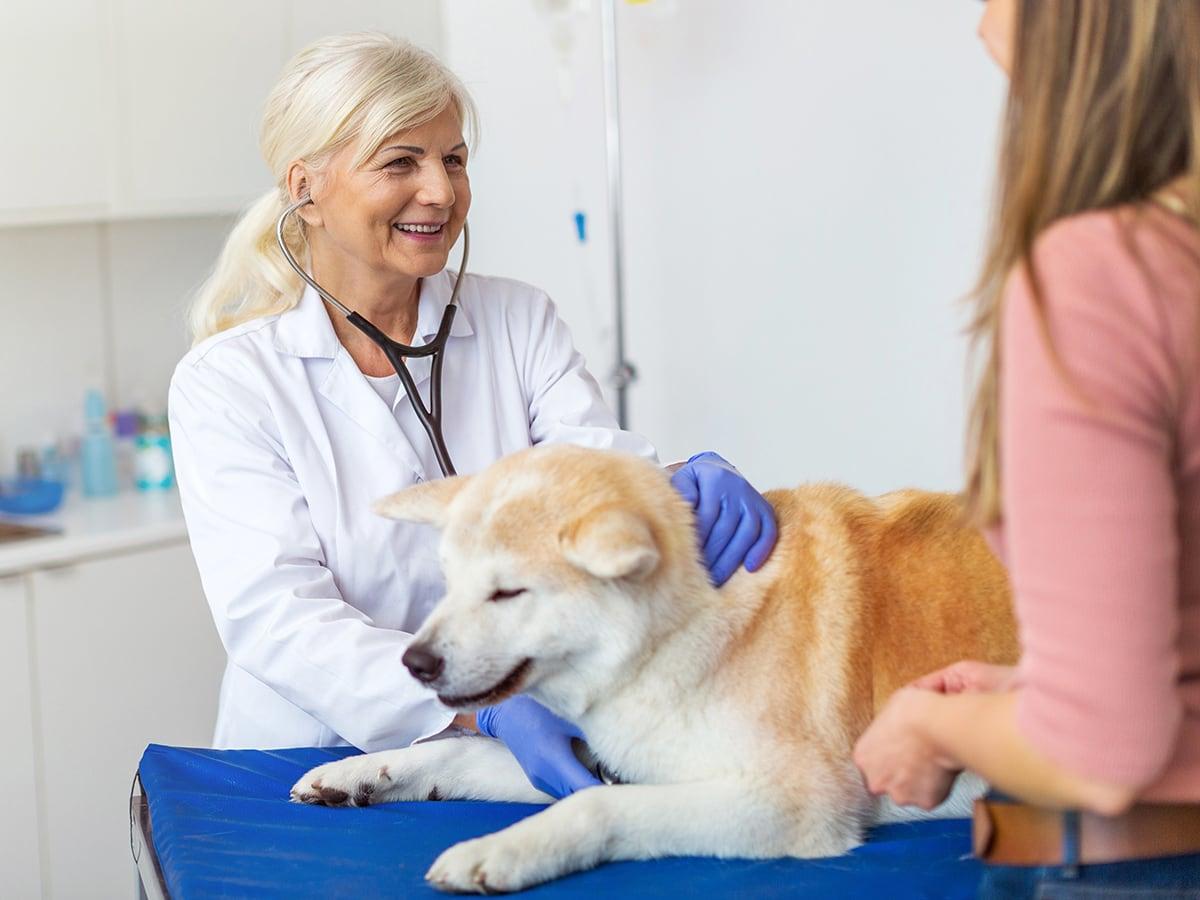
A veterinarian will start with a neurological exam — checking your dog's gait, reflexes, and pain response — then use imaging to confirm the diagnosis and locate the affected disc. X-rays, MRI, or CT scans are typically required.
Treatment depends on severity:
Conservative management: For mild to moderate cases where the dog still has leg function, strict crate rest (4–6 weeks), anti-inflammatory medications, and physical therapy may be enough to allow healing.
Surgery: Dogs with significant neurological impairment or paralysis typically need surgical decompression — removing the disc material that's pressing on the spinal cord. According to Today's Veterinary Practice², surgery success rates are approximately 90% for dogs who still have pain sensation. For dogs who have lost all sensation, recovery chances drop to around 50–60% — even then, surgery within 48 hours gives the best odds.
After surgery, most dogs spend about a week in the hospital, followed by 6–8 weeks of restricted activity at home and rehabilitation to rebuild strength.
How Much Does IVDD Treatment Cost?
IVDD is one of the more expensive neurological conditions to treat. According to PetMD³, surgery alone can range from $2,000 to $8,000 depending on your location and the specific facility. Here's a general breakdown:
Treatment | Cost Range |
|---|---|
Diagnostics (X-rays, MRI, CT) | Varies by type and location |
Conservative management | Lower cost; varies by medications and therapy needed |
Surgery | $2,000–$8,000³ |
Rehabilitation / physical therapy | Varies by duration and provider |
When surgery and rehabilitation are both needed, total costs can be significant. Costs vary based on your location, the severity of the case, and whether a veterinary specialist or neurology center is involved.
Can Pet Insurance Help with IVDD?
Pet insurance with accident and illness coverage may help reimburse eligible costs for IVDD — including imaging, surgery, hospitalization, and physical therapy — when the condition develops after the policy takes effect and isn't classified as a pre-existing condition.
This is an important distinction. If your dog shows back pain, stiffness, or neurological signs before coverage begins (or during the waiting period), insurers may exclude IVDD from coverage. Our guide to pre-existing conditions and pet insurance explains how insurers make that determination.
Enrolling while your dog is young and healthy — before any symptoms appear — offers the broadest potential coverage for conditions like IVDD. This timing consideration applies to other hereditary and orthopedic conditions too. For a similar breakdown, see our guide to whether pet insurance covers hip dysplasia.
Frequently Asked Questions
Can a dog recover from IVDD without surgery?
Yes, some dogs recover from IVDD with conservative management — strict crate rest, anti-inflammatory medications, and physical therapy. This approach works best for dogs with mild to moderate symptoms who still have voluntary leg movement. However, dogs with significant neurological impairment or paralysis typically need surgery, and delaying care can meaningfully reduce the odds of a full recovery.
Is IVDD painful for dogs?
Yes. IVDD can cause significant pain in the neck or back around the affected disc. Dogs may cry out when touched, resist movement, or appear tense and hunched. Pain management is a core part of both conservative and surgical treatment plans, and most dogs show noticeable improvement in comfort once treatment begins.
Is IVDD a pre-existing condition for pet insurance?
It can be. If your dog shows signs of back pain, stiffness, or neurological symptoms before your policy takes effect (or within the waiting period), insurers may classify IVDD as a pre-existing condition and exclude it from coverage. Enrolling while your dog is still asymptomatic — especially for at-risk breeds — gives the best chance of having IVDD treatment covered later.
How long does IVDD recovery take?
Recovery time depends on treatment type and severity. Conservative management usually requires 4–6 weeks of strict rest. After surgery, most dogs spend about a week in the hospital, then need 6–8 weeks of restricted activity at home paired with rehabilitation exercises. Dogs with full paralysis may take several months and may benefit from additional support like hydrotherapy or underwater treadmill therapy.
Unexpected vet bills can happen when you least expect them, but pet insurance may help make those costs more manageable. Having coverage in place can help pet parents feel more prepared for emergency care, surgery, diagnostics, and treatment for covered conditions.
Spot Pet Insurance offers dog insurance plans starting at $15/month^ and cat insurance plans starting at $9/month^^, helping to make it easier to find coverage that fits your budget. Spot also makes filing claims simple with a digital claims process that lets pet parents submit a claim in 60 seconds or less. Get a free quote.
^ Advertised premium is based on an accident and illness plan with an 80% reimbursement rate, $500 annual deductible, and a $2,500 annual limit for a 2-year-old small mixed dog (11-25lbs) in 32009. Plan costs vary.
^^ Advertised premium is based on an accident and illness plan with an 80% reimbursement rate, $750 annual deductible, and a $2,500 annual limit for a 2-year-old mixed cat in 33801. Plan costs vary.

We’re pet parents first—and writers, marketers, and product developers by trade—combining lived experience with industry expertise in everything we create.
American Kennel Club. "Intervertebral Disk Disease in Dogs: Causes, Symptoms, and Treatment." AKC, October 24, 2023. https://www.akc.org/expert-advice/health/intervertebral-disk-disease-dogs/
Today's Veterinary Practice. "Intervertebral Disk Disease in Dogs." Today's Veterinary Practice. https://todaysveterinarypractice.com/neurology/intervertebral-disk-disease-in-dogs/
PetMD Editorial. "Intervertebral Disk Disease in Dogs (IVDD)." PetMD. https://www.petmd.com/dog/conditions/neurological/c_dg_intervertebral_disc_disease