Leptospirosis is a bacterial infection spread through contact with contaminated water or soil — and any dog that spends time outdoors can be exposed, whether they’re hiking in the woods or splashing through a city puddle. The American Veterinary Medical Association¹ recommends vaccination for all dogs, and the 2022 AAHA Canine Vaccination Guidelines officially upgraded leptospirosis to a core vaccine for most dogs. Here’s what pet parents need to know about the schedule, side effects, and cost.
What Is Leptospirosis?
Leptospirosis is caused by Leptospira bacteria shed in the urine of infected animals — rats, raccoons, deer, and squirrels are common carriers. The bacteria can survive in water or soil for weeks to months, according to the AVMA¹. Dogs contract the infection when their skin, mucous membranes, or open wounds come into contact with contaminated water, soil, or urine.
Symptoms can vary depending on the bacterial strain and the dog’s immune response, but often include vomiting, lethargy, loss of appetite, and increased thirst or urination. Severe cases can progress to kidney or liver failure. Some infected dogs show no symptoms at all, which makes prevention especially important.
Leptospirosis is also a zoonotic disease — it can spread from dogs to people. The CDC² estimates approximately 1 million human leptospirosis cases occur globally each year, with nearly 60,000 deaths. Vaccinating your dog helps protect your whole household.
Does Your Dog Need the Leptospirosis Vaccine?
For most dogs: yes. In 2022, the American Animal Hospital Association (AAHA) officially reclassified the leptospirosis vaccine from non-core (risk-based) to core status — recommended for any dog that goes outdoors in rural, suburban, or urban environments across North America.
The key risk factor isn’t breed, size, or region — it’s outdoor exposure. Dogs that swim or wade in ponds, puddles, or streams face higher risk, as do dogs that hike or camp in areas with high wildlife populations. But even city dogs can be exposed through standing water in parks or yards frequented by urban wildlife like rats and raccoons.
Talk to your veterinarian about whether the leptospirosis vaccine is appropriate for your dog based on their lifestyle, location, and health history. Learn more about the broader importance of keeping dogs and cats vaccinated.
What Is the Leptospirosis Vaccine Schedule for Dogs?
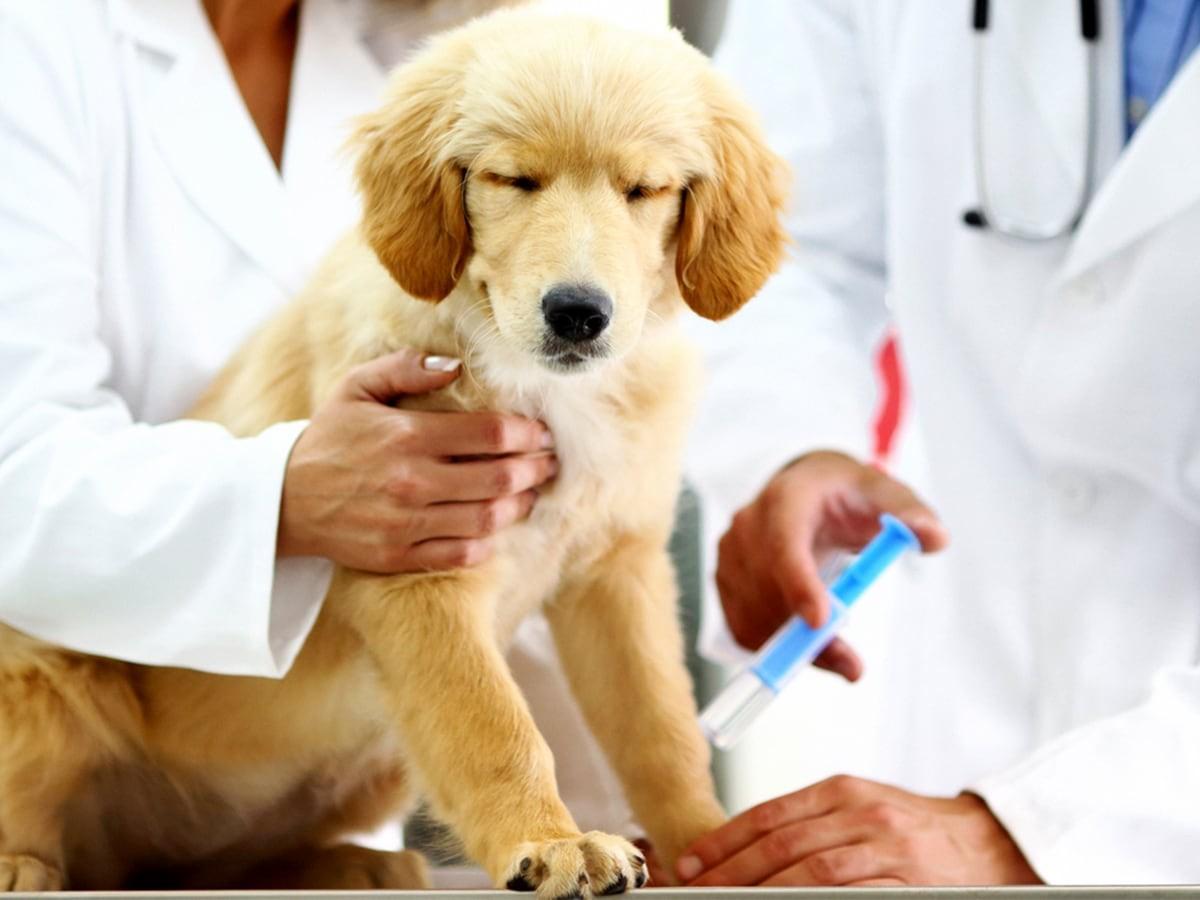
The leptospirosis vaccine requires a two-dose initial series. The first dose is typically given when a puppy reaches 12 weeks of age. The second dose follows 2–4 weeks later. Dogs receiving the vaccine for the first time as adults need the same two-dose series before protection is fully established.
After the initial series, dogs need annual boosters to stay protected. The duration of immunity from leptospirosis vaccines is shorter than some other core vaccines, which is why yearly revaccination is recommended rather than a 3-year schedule.
If your dog is overdue on their annual booster, your veterinarian may recommend restarting the two-dose series rather than giving a single catch-up dose. This is worth asking about at your dog’s next wellness visit.
What Are the Side Effects of the Leptospirosis Vaccine?
Most dogs tolerate the leptospirosis vaccine well. The AVMA¹ notes that leptospirosis vaccines are no more likely to cause side effects than other common vaccines.
The most common reaction is mild soreness at the injection site — typically the left rear leg — that resolves within a day or two. Some dogs may also experience brief lethargy, mild fever, or reduced appetite in the 24 hours following vaccination.
Allergic reactions are rare but possible. Signs include facial swelling, hives, vomiting, or difficulty breathing. These typically appear within a few hours of the injection. If you notice any of these signs, contact your veterinarian right away. Older leptospirosis vaccine formulations were associated with higher reaction rates; current reformulated vaccines have a significantly improved safety profile.
How Much Does the Leptospirosis Vaccine Cost?
According to Chewy³, the leptospirosis vaccine typically costs $15–$50³ per dose. For the initial two-dose series, pet parents can expect to pay roughly $30–$100³ in vaccine costs alone, with annual boosters falling in the same $15–$50³ range per dose.
Costs vary based on location, veterinary practice, and whether the vaccine is bundled into a wellness package. A routine vet checkup is usually required before or at the same visit as vaccination, which adds to the total cost. Some veterinary clinics also offer low-cost vaccine clinics that can reduce out-of-pocket expenses.
Can Pet Insurance Help With Leptospirosis Vaccination Costs?
Standard accident and illness pet insurance plans don’t typically cover routine preventive care, including vaccines. However, many insurers offer optional preventive care add-ons that can help reimburse the cost of annual vaccinations like the leptospirosis vaccine. Learn more about how preventive care coverage works.
If a vaccinated dog still contracts leptospirosis — which can happen, since current vaccines protect against the most common but not all strains — an accident and illness plan may help cover the cost of diagnosis and treatment.
Frequently Asked Questions
Is the leptospirosis vaccine required by law?
No. Unlike the rabies vaccine, the leptospirosis vaccine isn’t legally required in most states. That said, many boarding facilities, dog parks, and doggy daycares require it as a condition of entry. Even where it isn’t mandated, the AVMA and AAHA both strongly recommend it for dogs with any outdoor exposure.
Can the lepto vaccine give my dog leptospirosis?
No. The leptospirosis vaccine uses killed (inactivated) bacteria — it doesn’t contain live organisms and cannot cause the disease. Any temporary symptoms after vaccination, like mild lethargy or soreness, are signs of a normal immune response, not infection.
How long does the leptospirosis vaccine last in dogs?
Protection from the leptospirosis vaccine lasts approximately one year. This is why annual revaccination is recommended, unlike some other core vaccines that are given every 3 years once the puppy series is complete. Staying on schedule keeps your dog’s immunity current.
Can a vaccinated dog still get leptospirosis?
Vaccination significantly reduces the risk, but no vaccine is 100% effective. Current vaccines protect against the most common Leptospira serovars (strains) in North America. Dogs who encounter a less common strain could still become infected, but vaccinated dogs who do contract the disease typically experience milder illness and recover more quickly.
Is leptospirosis contagious from dogs to people?
Yes. Leptospirosis is a zoonotic disease, meaning it can spread from animals to people. The CDC² notes transmission typically occurs through contact with the urine, blood, or tissues of infected animals, or with contaminated water and soil. Vaccinating your dog reduces the risk of them bringing the bacteria into your environment.
Choosing pet insurance is about more than preparing for emergencies — it’s also about finding coverage that fits your pet’s needs and your budget. The right plan can help support both everyday peace of mind and long-term financial flexibility.
With Spot Pet Insurance, pet parents can customize their coverage with reimbursement options from 70% to 90%, annual limits up to unlimited, and deductible choices that work for their lifestyle. Spot also offers optional preventive care add-ons that can help with the eligible costs of routine services like annual exams, dental cleanings, and certain vaccines. Learn more about what pet insurance covers.

We’re pet parents first—and writers, marketers, and product developers by trade—combining lived experience with industry expertise in everything we create.
American Veterinary Medical Association. “Leptospirosis.” AVMA. https://www.avma.org/resources-tools/pet-owners/petcare/leptospirosis
Centers for Disease Control and Prevention. “About Leptospirosis.” CDC. https://www.cdc.gov/leptospirosis/about/index.html
Chewy. “Leptospirosis Vaccine: What Is It, and Do Dogs Need It?” Chewy. https://www.chewy.com/education/dog/health-and-wellness/get-dog-lepto-vaccine