What Is Pneumonia in Dogs? Types and Causes
Pneumonia refers to inflammation of the lung tissue — specifically the small air sacs (alveoli) — that interferes with normal oxygen exchange. According to VCA Animal Hospitals¹, the most common types in dogs are:
Bacterial pneumonia is the most frequently diagnosed form. It can develop as a primary infection or as a secondary complication following a viral respiratory illness. Common bacterial culprits include Bordetella bronchiseptica (the same organism that causes kennel cough), Streptococcus, E. coli, and Klebsiella. Bordetella infections that go untreated or affect immunocompromised dogs can progress from an upper respiratory infection to full pneumonia.
Viral pneumonia can result from canine distemper, canine influenza (H3N2, H3N8), or canine parainfluenza. Viral infections often compromise the airway defenses and create conditions that allow secondary bacterial pneumonia to develop. Vaccination against distemper, bordetella, and influenza provides meaningful protection against some of the most common infectious causes.
Aspiration pneumonia occurs when a dog inhales food, vomit, liquid, or stomach contents into the lungs. It is particularly common in dogs with megaesophagus, laryngeal paralysis, cleft palate, or those recovering from anesthesia. Aspiration pneumonia can be severe, and its prognosis depends heavily on the underlying cause.
Fungal pneumonia — caused by organisms like Blastomyces, Histoplasma, or Coccidioides — is less common and tends to be geographically concentrated. It requires antifungal treatment and typically carries a more guarded prognosis than bacterial forms.
Symptoms of Pneumonia in Dogs
According to the American Kennel Club², common signs of pneumonia in dogs include:
Persistent cough — often moist, productive, or worse after activity or rest
Labored or rapid breathing, even at rest
Nasal discharge (may be yellow, green, or bloody)
Lethargy and reluctance to exercise
Loss of appetite and weight loss
Abnormal lung sounds (crackling or rattling, noted by a veterinarian)
Emergency signs — seek immediate emergency veterinary care if your dog shows:
Bluish or grey gums (cyanosis) — indicates dangerously low oxygen levels
Extreme breathing difficulty or open-mouth breathing
Collapse or unresponsiveness
These signs indicate severe respiratory compromise that requires urgent intervention and should not wait for a standard appointment.
How Pneumonia Is Diagnosed
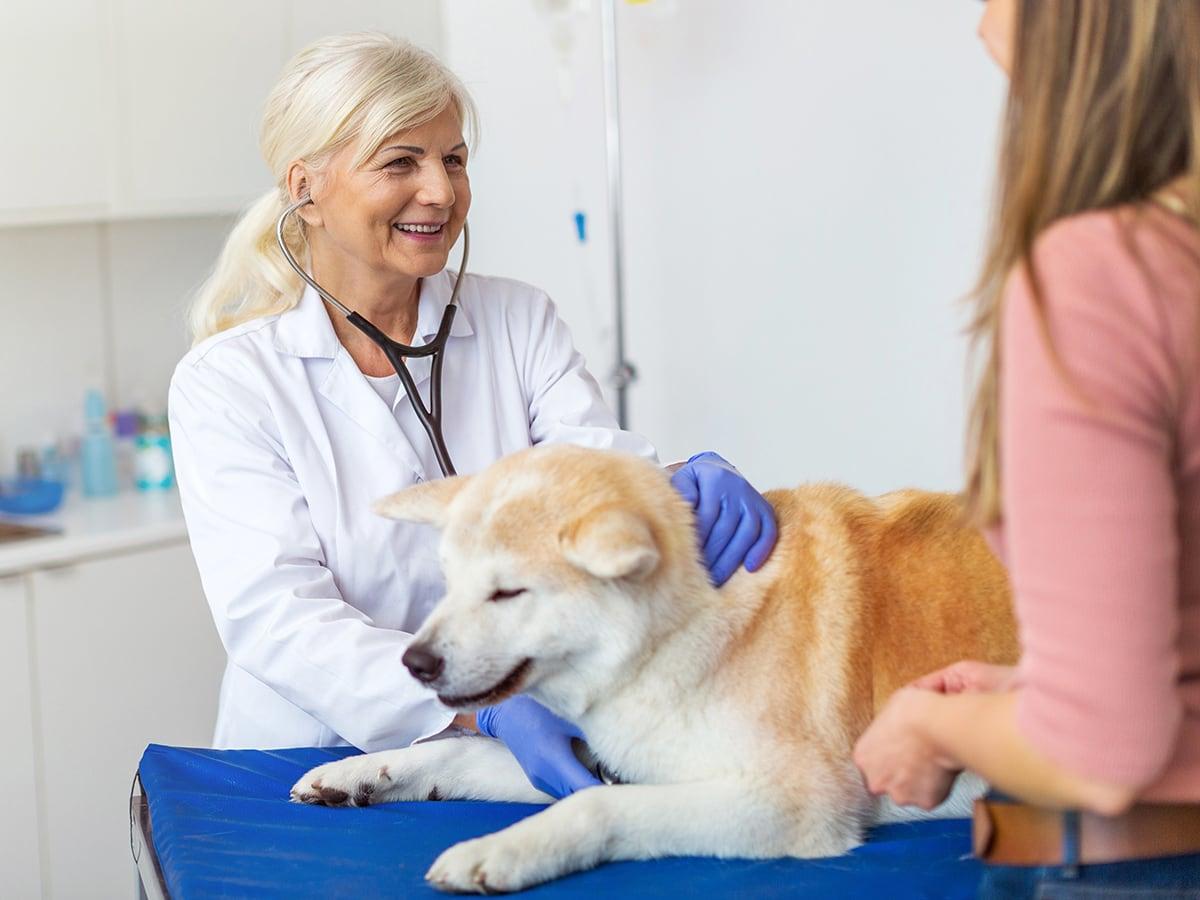
Diagnosis requires more than a physical exam. Veterinarians typically use:
Chest X-rays (radiographs) — the most important diagnostic tool; pneumonia appears as increased density or consolidation in the lung fields, distinguishable from other respiratory conditions
Complete blood count (CBC) — elevated white blood cells suggest bacterial infection
Blood chemistry panel — assesses organ function and guides treatment decisions
Airway wash (bronchoalveolar lavage or transtracheal wash) — collects fluid from the airway for bacterial culture and sensitivity testing; helps identify the specific organism and the antibiotics it responds to
Pulse oximetry or blood gas analysis — assesses blood oxygen levels in moderate to severe cases
An accurate diagnosis is critical because aspiration pneumonia, fungal pneumonia, and bacterial pneumonia require different treatment approaches.
Treatment for Dog Pneumonia
Treatment depends on the severity of the illness and the type of pneumonia:
Bacterial pneumonia is treated with antibiotics — initially chosen empirically while culture results are pending, then adjusted based on sensitivity results. Most dogs with mild to moderate bacterial pneumonia can be treated on an outpatient basis with oral antibiotics, rest, and close monitoring.
Hospitalization is typically required when a dog has difficulty breathing, low oxygen levels, is unable to eat or drink, or is not responding to outpatient care. Hospital treatment may include:
Intravenous (IV) antibiotics and fluids
Supplemental oxygen therapy
Nebulization — delivering moisture or medications directly to the airways
Coupage — gentle chest percussion to help loosen and mobilize mucus
Nutritional support if appetite is severely suppressed
Aspiration pneumonia requires treating both the pneumonia itself and the underlying cause (e.g., megaesophagus management, surgery for laryngeal paralysis).
Fungal pneumonia requires prolonged antifungal therapy — often for several months — and carries a more variable prognosis.
Recovery and Prognosis
Most dogs with bacterial pneumonia recover fully when diagnosed and treated promptly. Recovery typically takes several weeks of antibiotic treatment, restricted activity, and follow-up chest X-rays to confirm the lungs are clearing.
Key aspects of home recovery include strict rest (no strenuous exercise until cleared by a veterinarian), completing the full antibiotic course even after symptoms improve, and monitoring for any worsening signs. Follow-up visits and repeat X-rays are essential — clinical improvement often precedes radiographic resolution.
Prognosis is generally good for infectious pneumonia in otherwise healthy adult dogs. Puppies, senior dogs, immunocompromised dogs, and those with aspiration pneumonia from an ongoing underlying condition have more variable outcomes.
Does Pet Insurance Help Cover Pneumonia in Dogs?
Pneumonia is an illness — and accident and illness pet insurance plans are designed to help cover the costs associated with diagnosing and treating illness. Diagnostic workup (X-rays, bloodwork, culture testing), hospitalization, IV medications, and oxygen therapy for a covered pneumonia diagnosis are generally included as eligible expenses under broad plans.
What pet insurance covers varies by provider and plan. The pre-existing condition exclusion applies: a dog with prior respiratory illness or a documented history of pneumonia before a policy takes effect may have related conditions excluded. Enrolling before a dog develops any illness — particularly while young and healthy — gives owners the broadest eligibility for coverage when an unexpected illness like pneumonia occurs.
The right pet insurance plan should help support your pet through both unexpected accidents and health needs. Understanding what’s included in your policy can help you choose coverage that fits your pet’s lifestyle.
Spot Pet Insurance offers accident and illness coverage to help reimburse eligible costs related to covered injuries, illnesses, diagnostics, and treatment. Pet parents can also add optional preventive care coverage for routine services like annual exams, dental cleanings, and certain vaccines.

We’re pet parents first—and writers, marketers, and product developers by trade—combining lived experience with industry expertise in everything we create.
VCA Animal Hospitals. “Pneumonia in Dogs.” VCA, 2023. https://vcahospitals.com/know-your-pet/pneumonia-in-dogs
American Kennel Club. “Pneumonia in Dogs: Symptoms, Causes, and Treatments.” AKC, 2024. https://www.akc.org/expert-advice/health/pneumonia-in-dogs/