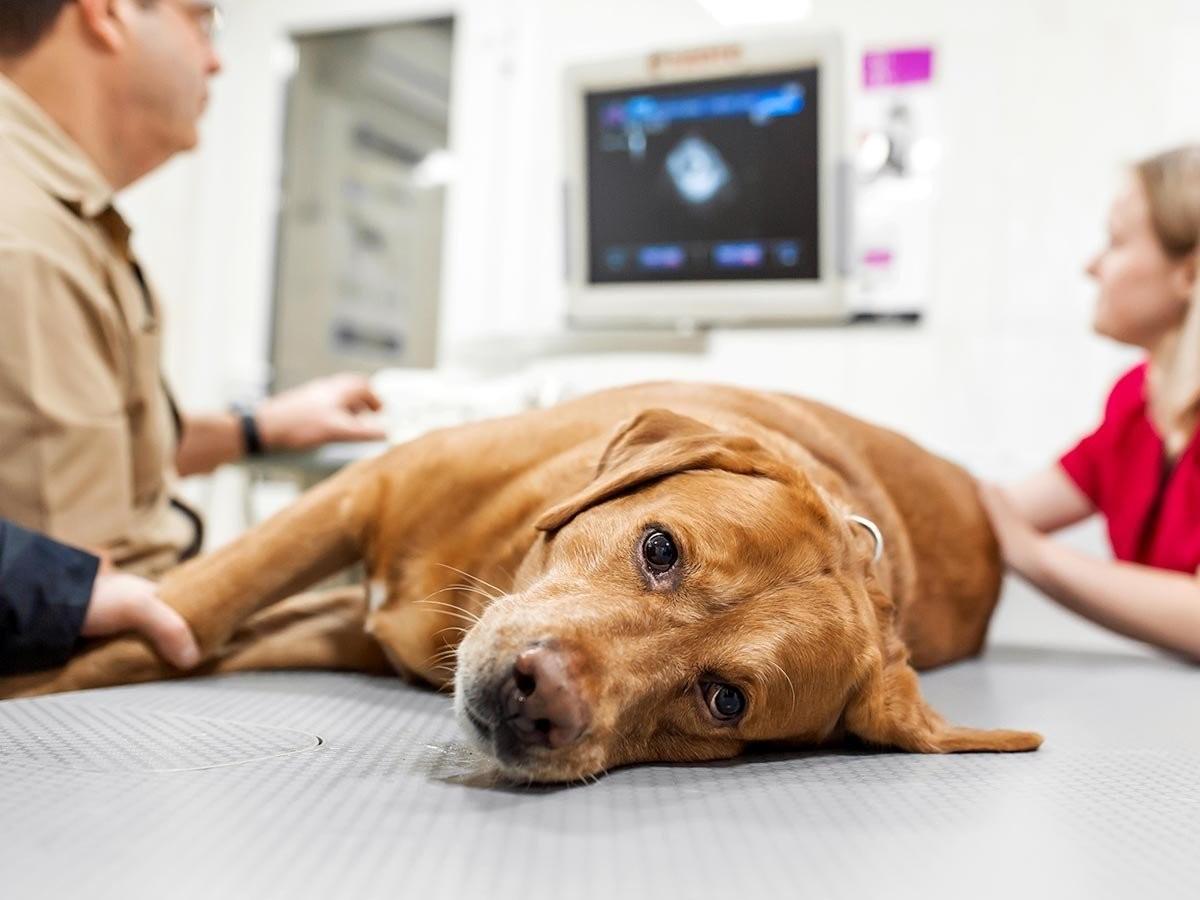
Rocky Mountain spotted fever (RMSF) is one of the most serious tick-borne diseases affecting dogs in the United States. Caused by the bacterium Rickettsia rickettsii, it can progress from mild flu-like signs to a life-threatening illness within days. Early recognition and immediate treatment with doxycycline are the most critical factors in survival.
What Is Rocky Mountain Spotted Fever?
Despite its name, Rocky Mountain spotted fever occurs throughout the continental United States — not just in the Rocky Mountain region. It is caused by Rickettsia rickettsii, a type of obligate intracellular bacteria that infects and damages the cells lining blood vessel walls, causing the widespread inflammation and hemorrhage characteristic of the disease.
According to VCA Animal Hospitals¹, RMSF is among the most dangerous tick-borne diseases in dogs and can be fatal if not treated promptly. Dogs that survive often develop lasting immunity.
Which Ticks Transmit RMSF?
Three tick species are the primary vectors of Rickettsia rickettsii in dogs:
Tick Species | Geographic Range |
|---|---|
American dog tick (Dermacentor variabilis) | Primarily east of the Rocky Mountains; also parts of the Pacific Coast |
Rocky Mountain wood tick (Dermacentor andersoni) | Western United States and Canada |
Brown dog tick (Rhipicephalus sanguineus) | Throughout the US; confirmed R. rickettsii carrier primarily in Arizona and surrounding areas |
According to the Companion Animal Parasite Council (CAPC)², RMSF cases have been reported in all lower 48 states, with the highest concentrations in the south-central and southeastern United States — particularly in North Carolina, Oklahoma, Arkansas, Tennessee, and Missouri.
An important transmission detail: the tick generally must be attached and feeding for several hours before it can transmit Rickettsia rickettsii. Prompt tick removal significantly reduces transmission risk, but should not create a false sense of security — checking for and removing ticks immediately after outdoor exposure is essential.
Signs and Symptoms
Symptoms typically appear two to fourteen days after the tick bite. Early signs are nonspecific and can mimic many other conditions:
As the disease progresses, more specific signs may develop:
Petechiae: Pinpoint hemorrhages visible on the gums, conjunctiva (inside of eyelids), or skin — caused by blood vessel damage and the resulting breakdown of normal clotting
Edema: Swelling of the face, limbs, or scrotal area
Neurological signs: In severe cases — ataxia, seizures, or altered consciousness
Respiratory distress: Difficulty breathing if the lungs become involved
The “spotted” rash that gives RMSF its name is more reliably seen in humans; it occurs inconsistently in dogs and should not be expected as a diagnostic indicator.
Diagnosis: Why Treatment Cannot Wait
Diagnosing RMSF quickly is complicated by a critical biological fact: the standard blood antibody (serology) test is frequently negative during the acute phase of infection. The dog’s immune system has not yet produced detectable antibody levels when symptoms are at their worst.
According to the Merck Veterinary Manual³, a negative serology result should never be used to rule out RMSF in a clinically ill dog with tick exposure history. Waiting for positive test results before starting treatment is a potentially fatal error.
The diagnostic approach is:
Clinical impression first: Fever + tick exposure + compatible signs = treat immediately
Supportive lab findings: Thrombocytopenia (low platelets), low albumin, and elevated liver enzymes on bloodwork support the diagnosis but are not specific to RMSF
PCR testing: A PCR assay can detect R. rickettsii DNA during acute infection and is more sensitive than serology in the early phase — useful if available, but treatment should not be delayed to obtain results
Paired serology: Collecting blood at the time of illness and again 2–4 weeks later can confirm the diagnosis retrospectively through a rising antibody titer
A rapid clinical response to doxycycline within 24–48 hours of starting treatment also provides strong diagnostic support.
Treatment
Doxycycline is the treatment of choice for RMSF in dogs and should be started immediately when RMSF is clinically suspected — before any diagnostic confirmation.
Treatment is typically continued for 10 to 21 days. Dogs with mild to moderate disease may be treated as outpatients with oral doxycycline if they are tolerating food and fluids. Severely ill dogs require hospitalization for IV doxycycline, IV fluids, and supportive care including management of clotting abnormalities.
Knowing when emergency veterinary care is needed is particularly important with RMSF — a dog that appears mildly ill in the morning can deteriorate rapidly. Any dog with suspected RMSF and signs of severe illness (hemorrhage, neurological changes, or inability to stand) should be seen immediately.
Prognosis
With early doxycycline treatment, the prognosis for RMSF is excellent. Most dogs recover fully within one to two weeks of starting antibiotics and develop lasting immunity to reinfection. Dogs that survive severe disease may experience residual neurological or organ damage, though many make complete recoveries.
Without treatment, RMSF progresses rapidly and is frequently fatal — often within days. The speed of deterioration is why the “treat first, confirm second” approach is non-negotiable.
Prevention
Tick prevention is the most effective protection against RMSF. Consistent use of veterinarian-recommended tick preventatives — including topical treatments, oral medications, and tick collars — significantly reduces the likelihood of tick attachment and transmission.
Additional practices include:
Checking dogs thoroughly for ticks after every outdoor activity, particularly after time in wooded, grassy, or brushy areas
Removing attached ticks promptly using fine-tipped tweezers, grasping at the skin surface and pulling steadily upward — never twisting, crushing, or applying chemicals to the tick
Keeping grass and brush trimmed in outdoor areas where dogs spend time
Understanding what parasite prevention products cover and staying current on tick preventatives year-round — not just in summer months — is one of the most impactful things a dog parent can do in tick-endemic areas.
RMSF and Human Health
Dogs cannot transmit RMSF directly to humans. However, dogs that live and exercise in tick-endemic areas may carry infected ticks into the home, increasing the risk of tick bites for human family members.
Anyone who finds a tick on themselves or notices RMSF-compatible symptoms in themselves after tick exposure should contact a physician. RMSF is a reportable disease, and human RMSF is treated urgently with doxycycline just as in dogs.
What pet insurance covers varies by plan, but broad accident and illness policies typically help cover emergency evaluation, hospitalization, IV medications, and diagnostics for covered infectious conditions like RMSF.
Pet insurance can help pet parents feel more prepared for life’s unexpected vet visits. From unexpected accidents and illnesses to diagnostics and treatment, having a plan in place can help make the cost of covered care more manageable when it matters most.
Spot Pet Insurance offers customizable plans for dogs and cats, including accident-only and accident & illness coverage. Pet parents can choose from flexible reimbursement rates, deductibles, and annual limits to build a plan that fits their budget. Every plan also includes coverage for microchip implantation and access to a 24/7 telehealth helpline for added peace of mind. Get a free quote.

We’re pet parents first—and writers, marketers, and product developers by trade—combining lived experience with industry expertise in everything we create.
VCA Animal Hospitals. “Rocky Mountain Spotted Fever in Dogs.” https://vcahospitals.com/know-your-pet/rocky-mountain-spotted-fever-in-dogs
Companion Animal Parasite Council (CAPC). “Rocky Mountain Spotted Fever.” https://capcvet.org/guidelines/rocky-mountain-spotted-fever/
Merck Veterinary Manual. “Rocky Mountain Spotted Fever in Dogs.” https://www.merckvetmanual.com/infectious-diseases/rickettsial-diseases-in-dogs/rocky-mountain-spotted-fever-in-dogs