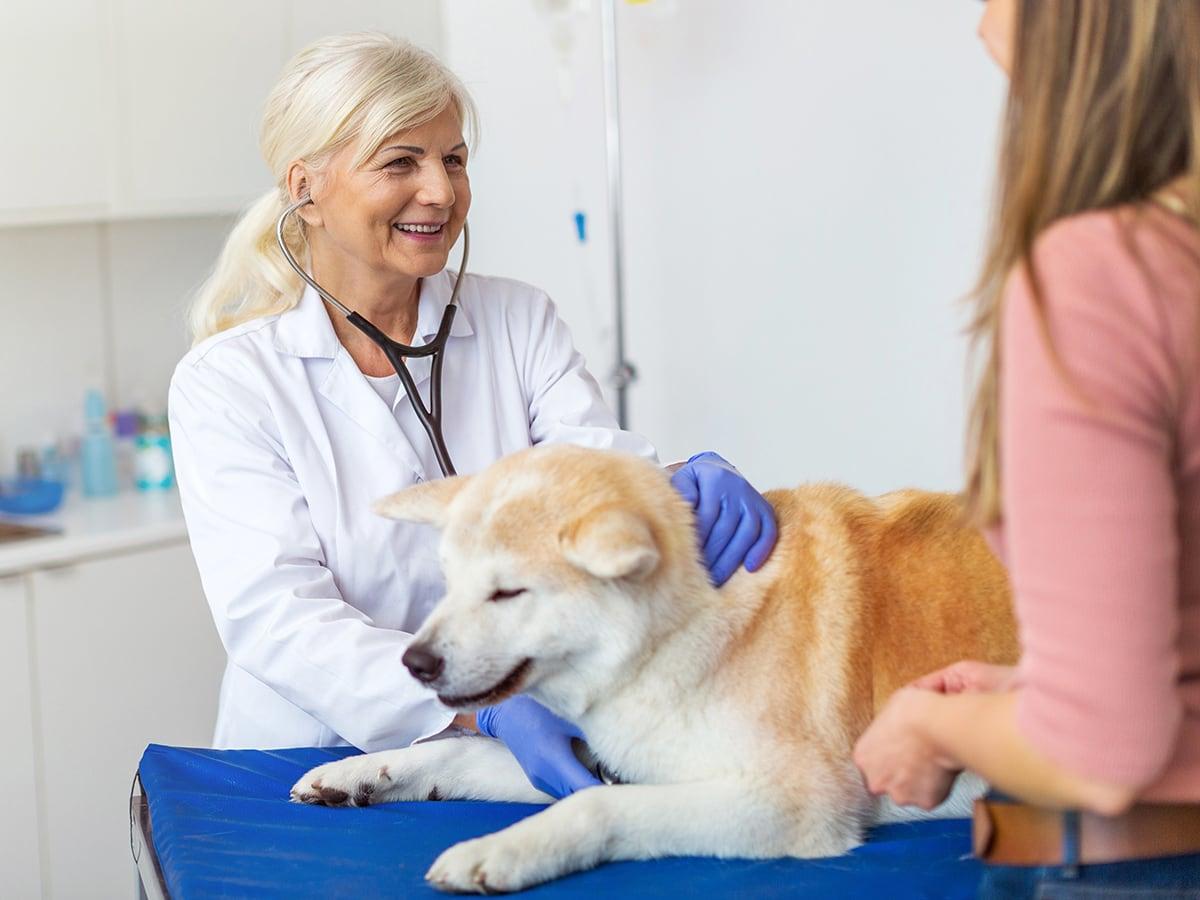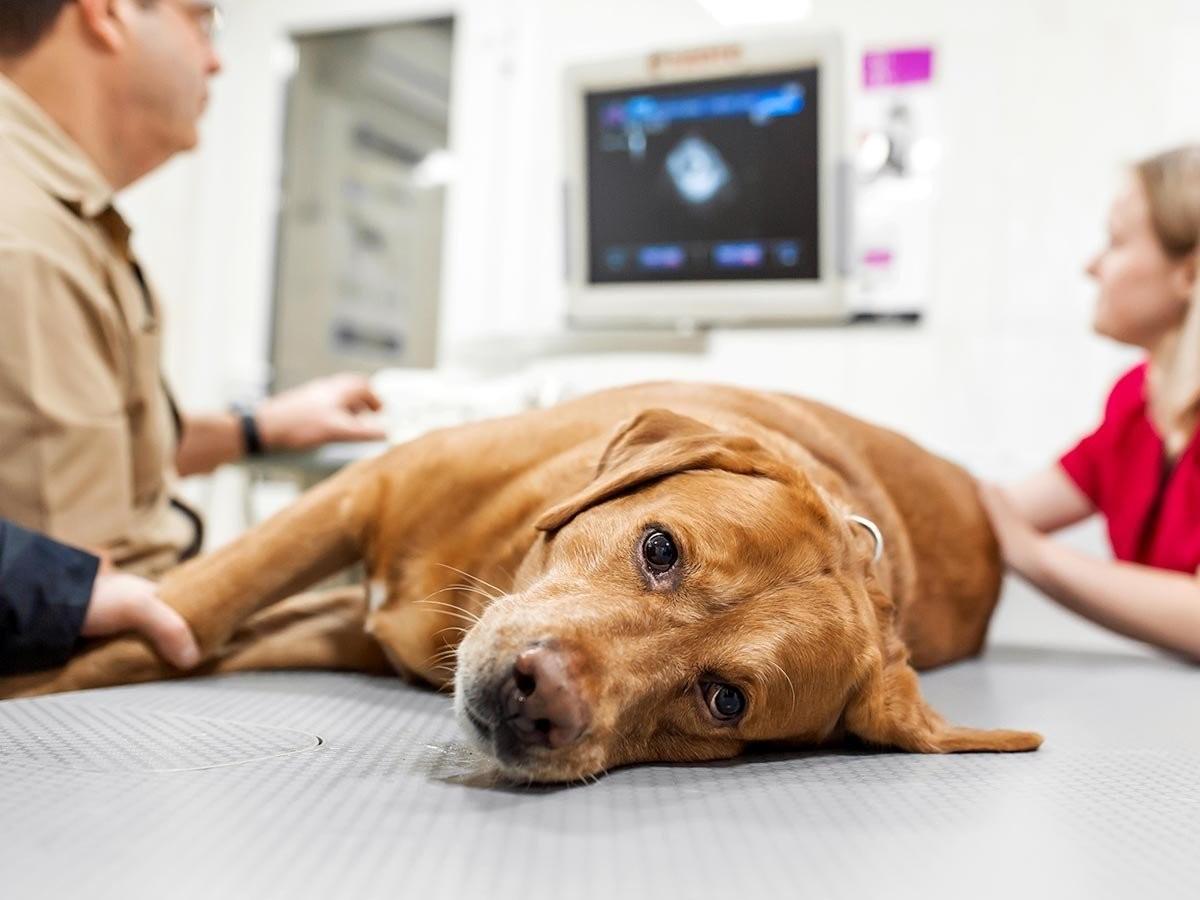
An ultrasound for a dog uses high-frequency sound waves to produce real-time images of soft tissue — with no radiation involved and no surgical incision required. It’s one of the most commonly recommended diagnostic tools in veterinary medicine because it lets vets see what’s happening inside the body in a way that X-rays can’t: the movement of organs, the presence of fluid or masses, the functioning of the heart. According to PetMD², a dog ultrasound typically costs $300 to $600², though the price varies by type, region, and facility.
What Is a Dog Ultrasound?
An ultrasound works by directing a narrow beam of high-frequency sound waves at the area being examined. Those waves are transmitted, reflected, or absorbed by tissue, and the returning echoes are converted into a two-dimensional image on a monitor — in real time. Unlike X-rays, ultrasound produces no ionizing radiation, making it safe for repeated use, including during pregnancy.
According to VCA Animal Hospitals¹, ultrasound is particularly effective for evaluating “heart conditions, abdominal organs, and the eyes, as well as the identification of cysts and tumors.” It is not effective for imaging bone, healthy air-filled lungs, the brain, or the spinal cord — those structures require X-ray, CT, or MRI.
Types of Dog Ultrasounds
PetMD² identifies five main types of veterinary ultrasound:
Abdominal ultrasound — The most commonly ordered type. Examines the liver, kidneys, spleen, bladder, intestines, adrenal glands, and surrounding tissue. Used to detect organ enlargement, masses, fluid accumulation, bladder stones, and intestinal abnormalities.
Echocardiogram (cardiac ultrasound) — Evaluates the structure and function of the heart: chamber size, wall thickness, valve movement, and blood flow patterns. Recommended when heart disease is suspected or to monitor known cardiac conditions.
Single-organ ultrasound — Targets one specific structure, such as the bladder, uterus, or a lymph node. Often ordered for follow-up on a specific finding rather than a full-body survey.
Thoracic (chest) ultrasound — Examines the area around the lungs and chest wall. Useful for detecting fluid accumulation in the chest (pleural effusion) and evaluating masses near the heart.
Pregnancy ultrasound — Confirms pregnancy, estimates gestational age, and monitors fetal viability and approximate puppy count. Most reliable between weeks 25 and 35 of gestation for fetal counting.
What Can a Dog Ultrasound Detect?
Ultrasound excels at showing changes in soft tissue that X-rays miss. Common findings include:
Organ abnormalities — Enlarged, shrunken, or irregularly shaped organs; changes in liver or kidney texture that suggest disease
Masses and tumors — Nodules, cysts, and solid masses in organs or surrounding tissue. For pet parents navigating a suspected cancer diagnosis, understanding what pet insurance covers for cancer treatment is an important step.
Free fluid — Abnormal fluid in the abdomen (ascites) or chest (pleural effusion), which can indicate internal bleeding, organ failure, or other serious conditions
Bladder and urinary tract — Bladder stones, thickened bladder walls, and masses along the urinary tract
Heart structure and function — Chamber dimensions, valve function, and blood flow irregularities in an echocardiogram
Gastrointestinal issues — Intestinal wall thickening, motility problems, and foreign body obstructions
Ultrasound cannot replace biopsy or laboratory testing for definitive diagnosis of disease — it identifies abnormalities and guides further investigation.
What to Expect During a Dog Ultrasound
Preparation: Fasting is typically required before an abdominal ultrasound (usually 8–12 hours), since food and gas in the stomach can obscure organ visualization. For cardiac or single-organ exams, preparation requirements vary — your vet’s office will provide specific instructions.
Fur shaving: Because ultrasound waves cannot pass through air pockets created by fur, the area being scanned must be shaved.¹ This is a small patch of hair and grows back normally.
The procedure: Your dog is positioned on a padded table, usually on their side. Ultrasound gel is applied to the shaved area to improve contact between the probe and the skin. The veterinarian moves the probe over the skin to capture images. The procedure is painless and typically takes 20–40 minutes depending on scope.
Sedation: Most dogs tolerate the procedure without sedation.¹ However, dogs that are anxious, painful, or need to stay very still for a large-area scan may be given a mild sedative. General anesthesia is not typically required unless a guided biopsy is performed at the same time.
Results: A veterinarian or veterinary radiologist interprets the images. In some cases, results are available the same day; complex cases or those reviewed by an off-site specialist may take longer.
How Much Does a Dog Ultrasound Cost?
According to PetMD², a dog ultrasound typically costs $300 to $600², with pregnancy and single-organ scans sometimes falling at the lower end of the range. Echocardiograms and specialist-performed ultrasounds tend to cost more due to the specialized equipment and expertise involved.
These figures reflect the ultrasound itself and do not include the initial exam fee, sedation if used, or follow-up diagnostics (such as biopsy or lab work) that may be ordered based on findings. For context on what a full veterinary visit typically costs, see how much does a vet checkup cost.
Does Pet Insurance Cover Dog Ultrasounds?
Pet insurance can help with the cost of an ultrasound when it’s ordered as part of a diagnostic workup for a covered accident or illness. Most accident and illness plans include diagnostic imaging under covered diagnostics. For a full look at what’s typically included, see what does pet insurance cover.
Routine wellness ultrasounds are generally not covered by standard plans, though preventive care add-ons may include some diagnostic screening.
One important timing note: if an ultrasound reveals a condition that was present before your policy’s effective date, costs related to that condition would typically be excluded as a pre-existing condition. Having coverage in place before symptoms develop — and before diagnostics are run — gives pet parents the broadest possible protection. For more on this, see pre-existing conditions and pet insurance.
Frequently Asked Questions
Does a dog ultrasound hurt?
No. Ultrasound is a painless, non-invasive procedure — dogs feel pressure from the probe and may find the gel mildly cold or unfamiliar, but the sound waves themselves cause no discomfort. Most dogs tolerate the procedure calmly. Those that are very anxious or in pain may be given a mild sedative to help them stay still and relaxed during the scan.
Do dogs need to be shaved for an ultrasound?
Yes, in most cases. Ultrasound waves cannot pass effectively through the air pockets created by fur, so the scan area needs to be shaved to allow the probe to make direct contact with the skin. The shaved patch is typically small and grows back within a few weeks.
What’s the difference between a dog ultrasound and an X-ray?
X-rays use ionizing radiation to image dense structures — they’re best for visualizing bones, identifying fluid in the chest, and detecting foreign objects. Ultrasound uses sound waves and is better suited to soft tissue: it shows organ texture, fluid movement, cardiac function, and masses in real time. The two are often used together — X-rays provide a structural overview and ultrasound allows a closer look at specific soft-tissue findings.
Unexpected vet bills can happen when you least expect them, but pet insurance may help make those costs more manageable. Having coverage in place can help pet parents feel more prepared for emergency care, surgery, diagnostics, and treatment for covered conditions.
Spot Pet Insurance offers dog insurance plans starting at $15/month^ and cat insurance plans starting at $9/month^^, helping to make it easier to find coverage that fits your budget. Spot also makes filing claims simple with a digital claims process that lets pet parents submit a claim in 60 seconds or less. Get a free quote.
^ Advertised premium is based on an accident and illness plan with an 80% reimbursement rate, $500 annual deductible, and a $2,500 annual limit for a 2-year-old small mixed dog (11-25lbs) in 32009. Plan costs vary.
^^ Advertised premium is based on an accident and illness plan with an 80% reimbursement rate, $750 annual deductible, and a $2,500 annual limit for a 2-year-old mixed cat in 33801. Plan costs vary.

We’re pet parents first—and writers, marketers, and product developers by trade—combining lived experience with industry expertise in everything we create.
VCA Animal Hospitals. Ultrasound Examination in Dogs. VCA Animal Hospitals.
PetMD. Dog Ultrasounds. PetMD, September 2025.