If your cat is straining at the litter box, urinating outside of it, or producing bloody urine, your first thought might be a urinary tract infection. But here's something many pet parents don't know: true bacterial UTIs are actually uncommon in cats. According to PetMD¹, only 1–3% of cats showing signs of urinary tract disease have an actual UTI. Most have a different condition called feline lower urinary tract disease (FLUTD). That said, a vet visit is always the right call — the symptoms overlap, and some cases require urgent care.
What Is a UTI in Cats?
A urinary tract infection occurs when bacteria — most commonly Escherichia coli from the gastrointestinal tract — travel up the urethra into the bladder. Once there, according to VCA Animal Hospitals², the bacteria grow and reproduce, causing irritation, inflammation, and the characteristic symptoms pet parents notice.
Because most cats with urinary symptoms don't actually have a bacterial infection, a proper veterinary diagnosis matters. Treating a cat for a UTI with antibiotics when FLUTD or another condition is the real cause won't help — and can contribute to antibiotic resistance.
Signs of a UTI in Cats
The signs of a UTI in cats overlap significantly with other urinary conditions, which is why a vet visit is always needed for a definitive diagnosis. Common signs include:
Straining to urinate or making repeated trips to the litter box
Producing small amounts of urine — or none at all
Blood visible in the urine
Urinating outside the litter box or in unusual spots
Crying or vocalizing during urination
Excessive licking around the genitals
Lethargy or loss of appetite in more severe cases
Important: A male cat straining to urinate with little or no urine output is a medical emergency. This can signal a urethral blockage — a life-threatening condition that requires immediate veterinary care. Do not wait.
Which Cats Are Most Susceptible to UTIs?
While any cat can develop a UTI, some cats face higher risk:
Female cats are more susceptible than males. According to VCA Animal Hospitals², female cats have shorter, wider urethras, which makes it easier for bacteria to travel up into the bladder.
Older cats with underlying health conditions carry meaningfully higher risk. Conditions that compromise immune function or urinary tract health — including diabetes, kidney disease, hyperthyroidism, and bladder stones — all increase susceptibility.² If you have a senior cat, understanding their elevated health risks and the role pet insurance can play is worthwhile; see pet insurance for senior pets.
Obese cats are also at greater risk. Extra weight can prevent cats from grooming their genital area effectively, allowing moisture and bacteria to accumulate.²
How Is a UTI in Cats Diagnosed?
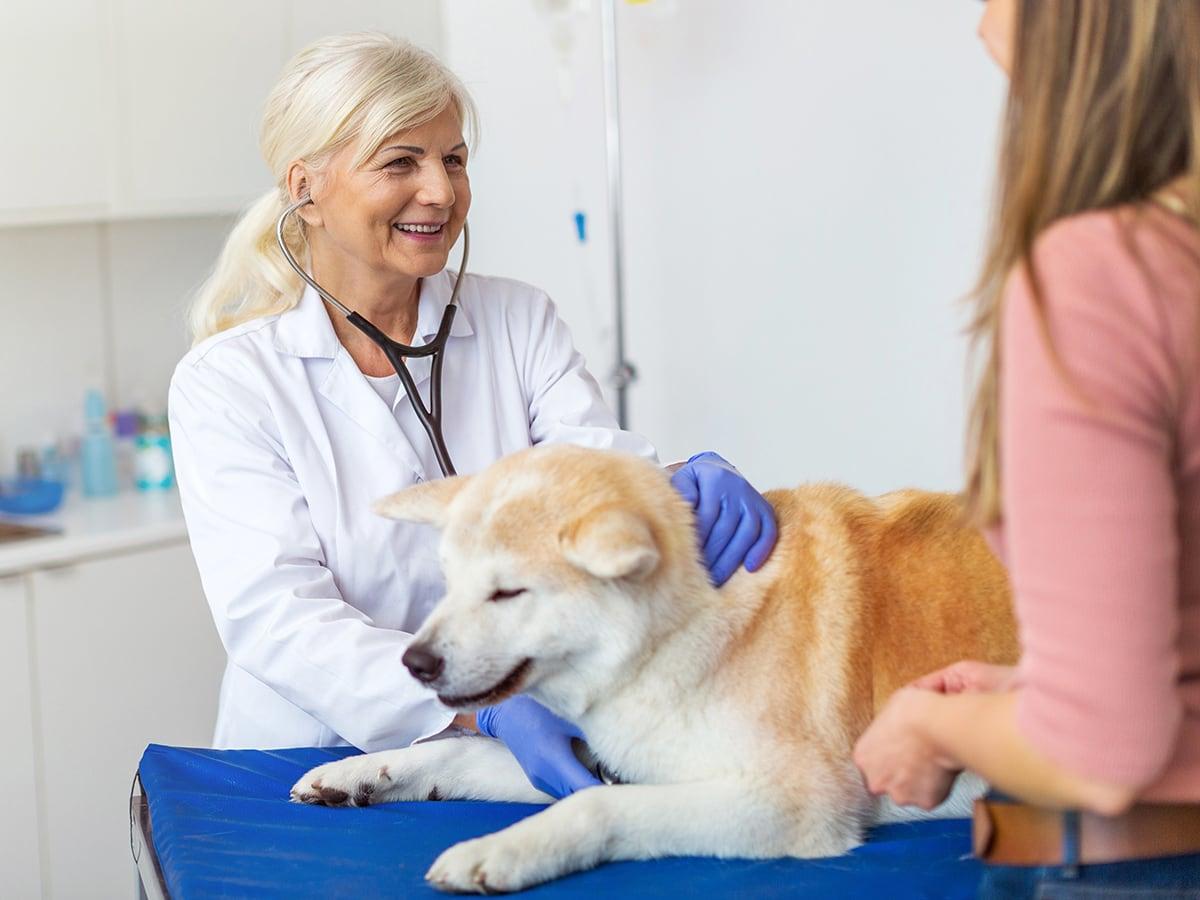
Your vet will start with a physical exam and then collect a urine sample — ideally via cystocentesis, a needle inserted directly through the abdomen into the bladder. This technique produces an uncontaminated sample and gives the most accurate results.
The sample undergoes two key tests:
Urinalysis: Evaluates urine concentration, pH, blood, protein, glucose, and the presence of bacteria or crystals under a microscope
Urine culture and sensitivity: Identifies the specific bacteria causing the infection and determines which antibiotics will be most effective¹
Diagnosing a true bacterial UTI — rather than FLUTD or feline idiopathic cystitis (FIC) — requires these lab results. Your vet may need to rule out other causes before confirming a bacterial infection is present. For what a routine vet visit and diagnostics typically cost, see how much does a vet checkup cost.
Treatment for UTIs in Cats
When a true bacterial UTI is confirmed, treatment typically includes:
Antibiotics: Your vet will often prescribe a broad-spectrum antibiotic initially, then adjust based on culture results if needed. Most cats recover within 7–10 days with appropriate antibiotic treatment.¹
Pain relief: Anti-inflammatory medication may be prescribed if your cat is visibly uncomfortable, particularly if there's a delay while waiting for culture results.
Dietary change: Switching from dry food to wet food — or increasing water intake — is commonly recommended. Dry food produces more concentrated urine, which can worsen urinary tract conditions. Canned food helps keep the urine more dilute and supports recovery.¹
Follow-up: A repeat urinalysis after antibiotic completion confirms the infection has resolved. Skipping follow-up is a common mistake — some infections that appear resolved clinically may still be present.
Preventing UTIs in Cats
No approach fully eliminates the risk of a UTI, but several steps help:
Keep the litter box clean: Cats that avoid a dirty litter box hold urine longer, giving bacteria more time to multiply
Feed wet food or supplement with water: Dilute urine flushes the bladder more effectively and is harder for bacteria to establish in
Encourage water intake: Cat water fountains increase drinking in many cats
Manage underlying conditions: Cats with diabetes, kidney disease, or other chronic conditions should have those managed closely, as they drive UTI susceptibility
Frequently Asked Questions
Can indoor cats get UTIs?
Yes. Indoor cats can and do develop UTIs. While some risk factors are tied to outdoor exposure, the primary drivers — bacteria from the cat's own gastrointestinal tract, anatomy, obesity, and underlying health conditions — are present regardless of whether a cat goes outside. Indoor cats are not protected from urinary tract disease.
How long does a cat UTI take to clear up?
With appropriate antibiotic treatment, most cats with confirmed bacterial UTIs recover within 7–10 days.¹ Your vet will likely recommend a follow-up urinalysis to confirm the infection has fully resolved. Without treatment, UTIs can progress to kidney infections, so delaying veterinary care is not advisable.
Can I treat my cat's UTI at home?
No — a confirmed UTI requires prescription antibiotics from a veterinarian. Home remedies such as cranberry supplements have not been shown to be effective for UTIs in cats and should not substitute for veterinary care.¹ If your cat is showing urinary symptoms, the priority is a vet visit to confirm what's actually happening, since most cases are not bacterial UTIs and require different management.
Does pet insurance cover UTI treatment in cats?
Most accident and illness pet insurance plans cover UTI treatment, including diagnostics, antibiotics, and vet visits, when the condition is not a pre-existing one. Cats prone to recurring urinary issues may find that a previously treated UTI affects future coverage depending on the policy and timing of enrollment. See is cat insurance worth it for more on what cat insurance typically covers.
The right pet insurance plan should help support your pet through both unexpected accidents and health needs. Understanding what's included in your policy can help you choose coverage that fits your pet's lifestyle.
Spot Pet Insurance offers accident and illness coverage to help reimburse eligible costs related to covered injuries, illnesses, diagnostics, and treatment. Pet parents can also add optional preventive care coverage for routine services like annual exams, dental cleanings, and certain vaccines. Get a free quote.

We’re pet parents first—and writers, marketers, and product developers by trade—combining lived experience with industry expertise in everything we create.
References
PetMD. UTIs in Cats (Urinary Tract Infections in Cats). PetMD.
VCA Animal Hospitals. Urinary Tract Infections (UTIs) in Cats. VCA Animal Hospitals.