Most kittens take their first wobbly steps at around two to three weeks of age. Early attempts are unsteady — a newborn kitten’s muscles and sense of balance are still developing — but coordination usually improves quickly. By four weeks, most kittens can walk, run, and begin to play. By five weeks, movement is confident enough that littermates may engage in active chasing and rough-and-tumble play.
The First Two Weeks: Fully Dependent
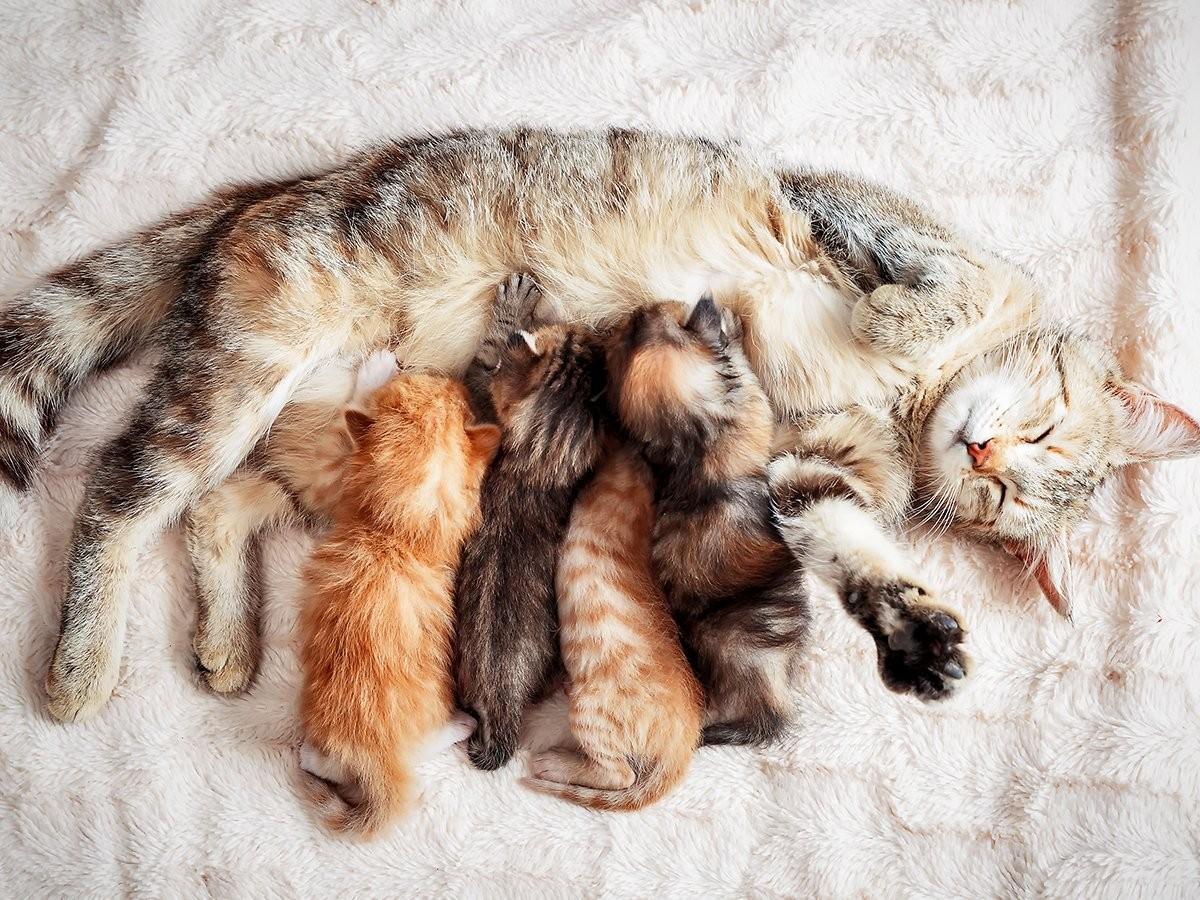
Newborn kittens are born with their eyes and ears sealed shut. They cannot regulate their own body temperature and depend entirely on their mother for warmth, nutrition, and stimulation to urinate and defecate. Movement during this phase is limited to crawling — paddling motions that allow kittens to find the mother and compete for nursing position.
According to VCA Animal Hospitals, kittens should roughly double their birth weight within their first week, and by two weeks they should be alert and beginning to try to stand. The eyes begin opening between 7 and 14 days after birth, though vision remains blurry for several more weeks. Hearing develops at around two weeks as the ear canals unseal.1
At this stage, kittens are warm, eat, and sleep — and little more. Any caregiver fostering neonatal kittens must mimic the mother’s role closely, as even brief periods without warmth or feeding can be life-threatening.
Week Three: The First Wobbly Steps
The third week marks the first true locomotion. Most kittens begin attempting to stand — wobbling, falling, and righting themselves — and then take their first steps. The process is unsteady and often comical, but it represents a major neurological milestone: the kitten’s brain is now coordinating its limbs intentionally.
According to Alley Cat Allies, three-week-old kittens are also beginning to thermoregulate more effectively, interact with their littermates, and show early exploration behavior.2 They may try to climb over the sides of a nesting box. The socialization period — during which kittens form the social bonds and behavioral patterns that will define them for life — is just beginning.
This is also the age at which primary teeth begin to erupt, starting with the incisors.
Week Four: Walking, Running, and Playing
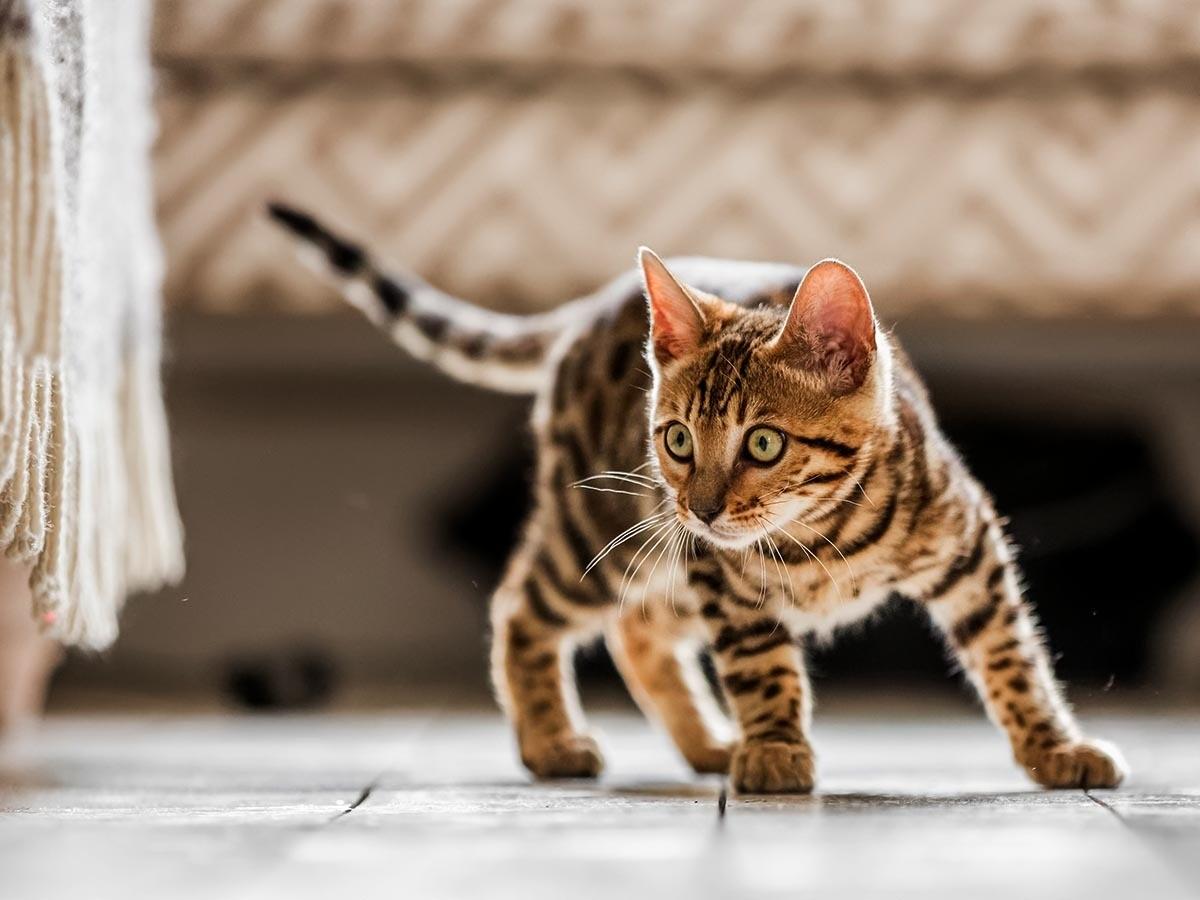
By four weeks old, the transformation is dramatic. Kittens that were barely coordinated a week prior are now walking with purpose, beginning to run, and engaging in active play with their littermates. According to VCA Animal Hospitals, all kittens should be able to walk, run, and play by this age.1
The fourth week also marks the beginning of weaning. The gastrointestinal tract is mature enough to begin processing solid food, and kittens can be introduced to wet food or gruel (wet food mixed with kitten milk replacer). The mother cat typically begins to spend more time away from the litter as weaning starts.
Play behaviors — batting, pouncing, and chasing — emerge alongside locomotion. These are not just entertainment: play is how kittens develop the motor skills, balance, and coordination they will use throughout their lives.
Weeks Five Through Eight: Coordination, Socialization, and Independence
Between five and eight weeks, kitten development accelerates on multiple fronts simultaneously:
Locomotion: Movement becomes fluid and fast. Kittens run, leap, and wrestle. Full locomotory coordination is established by 10–12 weeks.
Vision: Eye color begins shifting from the baby blue all kittens are born with to permanent adult colors, typically starting around seven weeks.
Weaning: Most kittens are fully weaned onto wet food by six to seven weeks, though they may continue to nurse for comfort.
Socialization: According to the Cornell Feline Health Center, the critical socialization period runs from approximately two to seven weeks of age. Exposure to humans, other animals, and varied environments during this window shapes how a cat might respond to these things for the rest of its life.3
Vaccination readiness: Core vaccines (FVRCP) are typically started at 6–8 weeks, making this period the bridge between the protected newborn window and independent immune function.
Kitten Development Milestones at a Glance
Age | Key Milestones |
|---|---|
Birth to 1 week | Eyes and ears sealed; crawling only; fully dependent on mother for warmth |
1–2 weeks | Eyes begin opening (7–14 days); ear canals open around 2 weeks; alert, trying to stand |
3 weeks | First wobbly steps; early socialization begins; primary teeth erupt; thermoregulation improving |
4 weeks | Walking and running; play behaviors emerge; solid food introduction begins |
5–6 weeks | Confident running and climbing; weaning progressing; baby-blue eye color begins changing |
7–8 weeks | Fully weaned; adult eye color established; socialization window closing; vaccination series begins |
10–12 weeks | Full locomotory coordination; ideal minimum adoption age |
When to Be Concerned About Delayed Walking
A kitten not attempting to stand or walk by four weeks of age should be evaluated by a veterinarian. Several conditions can affect early locomotion:
Cerebellar hypoplasia occurs when the cerebellum — the brain region controlling balance and coordination — does not develop fully, often because the mother was infected with panleukopenia virus (feline distemper) during pregnancy. Affected kittens show exaggerated, wobbly movement (called intention tremor) that is apparent from the first steps. Cerebellar hypoplasia is not progressive and does not cause pain; many affected cats can live full, happy lives with some accommodations.
Fading kitten syndrome refers to a group of causes (infection, hypothermia, congenital defects, failure to nurse) that cause a rapid decline in neonates. Delayed or absent movement is one warning sign.
Limb or musculoskeletal abnormalities can be congenital or result from injury during birth.
Any kitten showing persistent tremors, dragging of limbs, inability to bear weight, or failure to reach walking milestones within the expected timeframe warrants prompt veterinary attention.
What Kitten Caregivers Should Know
The walking window overlaps with several other critical care actions:
Socialization: Gentle, positive handling from week two onward contributes to a well-socialized adult cat. This is the time to introduce kittens to calm, careful human contact.
Vaccination timing: Kitten vaccination schedules typically begin at 6–8 weeks and continue through 16 weeks — coordinating vet visits during this developmental period is part of responsible early care.
Adoption timing: The minimum recommended adoption age is 8 weeks, and 10–12 weeks is often preferred — full locomotory coordination and immune function are more established, and the social bonds formed with littermates during the critical window have had time to develop.
Preparation: Before a kitten arrives, reviewing a cat adoption checklist can help caregivers prepare feeding supplies, appropriate housing, and a vet-visit plan for the early weeks.
What pet insurance covers varies by plan, but many accident and illness policies can cover the eligible costs of diagnostics and treatment for eligible congenital conditions.
Every pet’s needs are different, which is why flexibility matters when choosing coverage. Whether you have a playful puppy, a senior cat, or multiple pets at home, pet insurance can help you feel more prepared for the unexpected.
Spot Pet Insurance covers pets starting at 8 weeks old with no upper age limit and offers plans in all 50 states, helping make coverage more accessible for pet families. Enroll your pet today.

We’re pet parents first—and writers, marketers, and product developers by trade—combining lived experience with industry expertise in everything we create.
VCA Animal Hospitals. “Raising Kittens.” https://vcahospitals.com/know-your-pet/kitten-raising-kittens
Alley Cat Allies. “Newborn Kitten Progression & Cat Age Chart with Pictures.” https://www.alleycat.org/resources/kitten-progression/
Cornell Feline Health Center. “Choosing and Caring for Your New Cat.”
The information presented in this article is for educational and informational purposes only and does not constitute or substitute for the advice of your veterinarian.