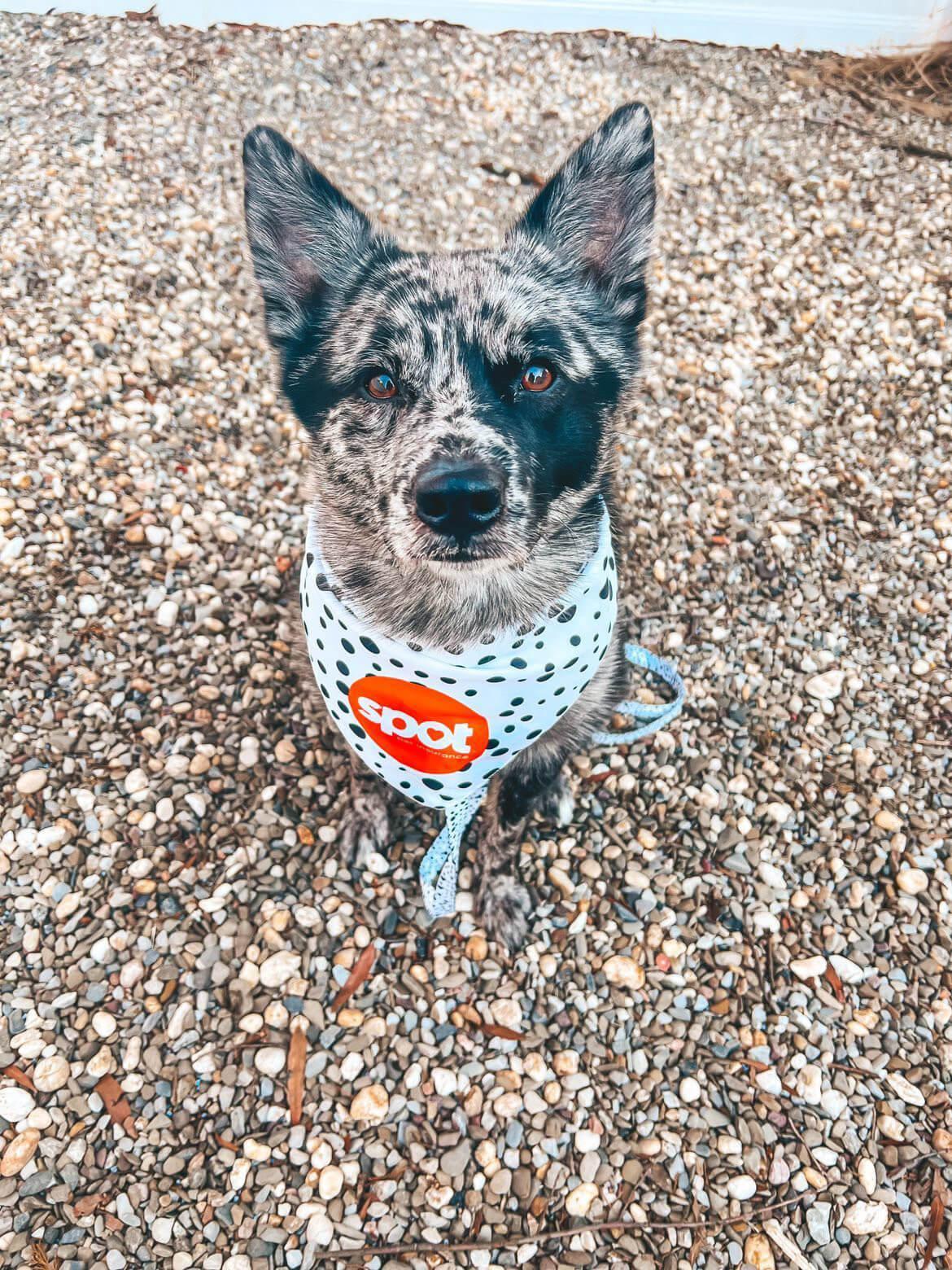
Camping with a dog and keeping up with routine veterinary care are two situations where preparation can make a significant difference. Camping can expose pets to wildlife, parasites, and terrain risks that might not exist at home. Veterinary visits can trigger anxiety that makes the experience harder for pets and owners alike. The guidance below addresses both — covering what to do before a camping trip, how to stay safer in the field, and how to help reduce stress at the vet.
Before the Trip: Pre-Camping Preparation
A pre-trip veterinary checkup is one of the most important steps before camping with a dog. Scheduling it at least two weeks before departure allows any needed vaccines to take effect and time to address any potential health concerns identified.
Key items to confirm before a camping trip:
Vaccines: Core vaccines and any lifestyle vaccines appropriate for the destination — such as leptospirosis for areas with standing water. A complete vaccination schedule for dogs and cats can help guide conversations with your veterinarian about which vaccines are relevant for your destination.
Parasite prevention: Heartworm prevention and tick preventatives should be current before any outdoor trip. Ticks and mosquitoes are significantly more prevalent in camping environments than in everyday settings.
Microchip and ID: According to the American Animal Hospital Association, microchipping provides permanent identification that can’t fall off in the field.1 Confirm the chip is registered and that ID tags show current contact information.
Medical records: Bring copies of vaccination records and any current medications, plus extras in case the trip extends.
Camping Safety: On the Trail and at the Campsite
Once in the field, many risks are manageable with consistent supervision and a few basic habits.
Leash discipline: The American Veterinary Medical Association recommends keeping pets leashed and in sight at all times in camping environments. Even well-trained dogs can lose recall when they encounter wildlife, unfamiliar scents, or other animals.2
Food and water: Bring more water than expected and offer it frequently during physical activity. Never allow pets to drink from streams, lakes, or ponds — these can contain parasites, bacteria, or toxic algae. Keep all food, including pet food, secured to avoid attracting wildlife to camp.
Daily inspection: At the end of each day, check paw pads for cuts or embedded debris, part the coat to look for ticks, and check ears for foreign material. Address minor injuries before they worsen.
Campsite awareness: Inspect the site before letting a pet explore. Look for sharp objects, poisonous plants, or evidence of wildlife activity. Keep pets inside the tent at night to help avoid nocturnal wildlife encounters.
What to Pack for Your Pet
A basic pet first aid kit should include tweezers for tick and splinter removal, gauze, veterinary wrap, antiseptic wipes, and disposable gloves. Collapsible water bowls, enough food for the full trip plus extra, and any prescription medications are all important.
Before leaving, save the phone number and address of the nearest 24-hour emergency veterinary clinic to your destination. Knowing when emergency vet care is necessary — and when a situation can safely wait — is worth reviewing before any camping trip where immediate access to a veterinarian may be limited.
Making Vet Visits Less Stressful
Veterinary anxiety is common in dogs and cats, but can be reduced significantly with consistent desensitization at home.3
Daily handling practice: According to Cornell University College of Veterinary Medicine, dogs can learn to tolerate veterinary handling at any age. Spending a few minutes daily touching paws, ears, the muzzle, and the belly — paired with treats — conditions a dog to accept examination with less distress.3
Positive associations at the clinic: Bringing a pet to the veterinary clinic just for treats and attention, without any examination, can help build a positive association with the location. Many clinics welcome these “happy visits,” and they can meaningfully reduce appointment anxiety over time.
At the appointment: Stay calm — dogs are perceptive about their owner’s emotional state and will often mirror it. If the waiting room is crowded or noisy, ask to wait outside or in the car until the exam room is ready. A short walk before the appointment can help reduce excess energy that makes anxiety worse.
Severe anxiety: If a pet’s response to vet visits is severe, ask the veterinarian about prescription pre-visit medication. Administered at home in advance, these medications are most effective when given before the stress response begins.
When to Seek Emergency Care
Some situations require immediate veterinary attention regardless of location:
Difficulty breathing
Uncontrolled bleeding
Signs of toxin ingestion: vomiting, tremors, weakness, or collapse
Heatstroke: excessive panting, bright red gums, weakness — begin cooling with cool (not cold) water while transporting to a clinic
Wildlife bites or injuries
Inability to walk or stand
What pet insurance covers varies by plan, but accident and illness plans typically include coverage for the eligible costs of emergency exam fees, diagnostics, surgery, and hospitalization for covered conditions — whether the emergency occurs at home or while traveling.
Coverage flexibility matters when it comes to helping protect your pet’s health. From emergencies to routine wellness visits, the right plan and add-ons can help support a wide range of care needs.
With Spot Pet Insurance, pet parents can visit any licensed veterinary clinic in the U.S. or Canada, giving them more freedom to choose the care that works best for their pet. Every plan also includes access to a 24/7 pet telehealth helpline for added support. Get a free quote.

We’re pet parents first—and writers, marketers, and product developers by trade—combining lived experience with industry expertise in everything we create.
American Animal Hospital Association (AAHA). “Can I Take My Dog Camping?” https://www.aaha.org/resources/camping-with-dogs/
American Veterinary Medical Association (AVMA). “Traveling with Your Dog or Cat.” https://www.avma.org/resources-tools/pet-owners/petcare/traveling-your-pet-faq
Cornell University College of Veterinary Medicine. “How to Make Veterinary Visits Less Stressful for Dogs.” https://www.vet.cornell.edu/departments-centers-and-institutes/riney-canine-health-center/canine-health-topics/how-make-veterinary-visits-less-stressful-dogs
The information presented in this article is for educational and informational purposes only and does not constitute or substitute for the advice of your veterinarian.