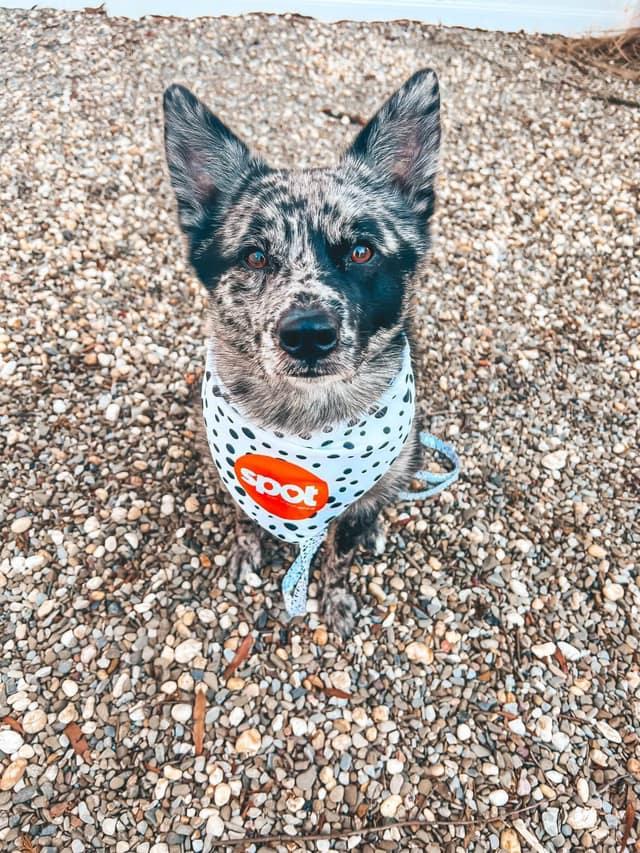
The best pet insurance in Nevada in 2026 is the kind that’s already in place before your dog encounters a rattlesnake on a desert trail or develops heat exhaustion during a Las Vegas summer afternoon. Nevada’s climate and wildlife create emergency veterinary risks that are more unpredictable — and more expensive — than in most other states. Understanding those risks, and what coverage protects against them, is the starting point for choosing the right plan.
Pet Insurance Costs in Nevada
Pet insurance premiums vary by insurer, plan type, coverage level, pet age, breed, and your specific ZIP code in Nevada — costs in Las Vegas will differ from Reno or rural areas of the state. Nationally, pet parents pay average annual accident and illness premiums of $749.29³ for dogs and $386.47³ for cats, according to the North American Pet Health Insurance Association (NAPHIA) 2025 State of the Industry Report³.
Nevada’s higher-than-average emergency veterinary costs — driven in part by staffing pressures and equipment expenses at specialty and emergency hospitals — mean that the reimbursement value of a plan can be significant after a single major incident. Emergency care following a rattlesnake bite or heat stroke can easily reach thousands of dollars.
The NAPHIA 2025 report³ also notes that the North American pet insurance market reached $5.2 billion³ in total written premium in 2024 — a 20.8%³ year-over-year increase — reflecting growing awareness of how quickly unexpected vet bills can accumulate.
Unique Health Risks for Nevada Pets
Nevada’s environment creates a specific set of veterinary risks that make emergency coverage especially valuable for pet parents in the state.
Extreme Heat
Las Vegas summers regularly produce temperatures above 110°F. The City of Las Vegas¹ identifies dogs as especially vulnerable to overheating, with warning signs including excessive panting, drooling, vomiting, and collapse. Hot pavement burns paw pads — a common warm-weather injury that can require veterinary treatment. The city recommends keeping pets indoors from 10 a.m. to 6 p.m. during peak summer heat.
Heat stroke in dogs is a genuine emergency that can require IV fluids, cooling measures, blood work, and hospitalization. These costs add up quickly, and accident and illness plans typically help cover heat-related conditions when they result in an unplanned vet visit.
Rattlesnakes
Nevada is home to multiple rattlesnake species, including the Western Diamondback. According to the Nevada Department of Wildlife², rattlesnakes are active from March through October and can be encountered during the day or night. Dogs are natural investigators, which puts them at elevated snakebite risk when hiking, in backyards, or in any area with desert terrain.
A rattlesnake bite is a veterinary emergency requiring immediate care — antivenin, IV fluids, pain management, and monitoring. Treatment costs can run into the thousands of dollars depending on severity and the size of the dog. Pet insurance with accident coverage helps protect against this specific, high-stakes exposure that is particularly common for Nevada pet parents. Learn more about the importance of routine care and emergency preparedness for dogs and cats.
Other Desert Hazards
Nevada pets also face encounters with scorpions (especially Bark Scorpions, which are more venomous than most species), coyotes in suburban and rural areas, and foxtail grass awns that can embed in skin, ears, or paws. Accidents involving these hazards are exactly what accident and illness coverage is designed to address.
What Coverage Types Are Available?
Nevada pet parents can typically choose between three types of pet insurance coverage:
Accident-only plans help cover injuries from sudden events — rattlesnake bites, heat-related paw burns, scorpion stings, and lacerations from wildlife encounters. They do not cover illness, including conditions like cancer, diabetes, or chronic skin conditions.
Accident and illness plans add help coverage for illnesses diagnosed after the policy waiting period. These plans are the most extensive option for Nevada pets and cover both emergency situations and ongoing health conditions.
Preventive care add-ons are optional additions to a base plan that help reimburse routine costs — annual exams, vaccines, heartworm testing, and parasite prevention. Nevada’s climate supports year-round flea and tick activity, making preventive care coverage worth considering. Learn more about how preventive care add-ons work.
How Pet Insurance Reimbursement Works
Pet insurance in Nevada works on a reimbursement model: you pay the vet, submit a claim, and receive a reimbursement check or direct deposit for covered costs based on your policy terms. Key variables include:
Deductible: The amount you pay before insurance applies. Higher deductibles mean lower monthly premiums.
Reimbursement rate: Typically 70%, 80%, or 90% of the covered bill after the deductible.
Annual limit: The maximum reimbursement in a policy year; options typically range from several thousand dollars to unlimited.
Understanding these variables — and choosing a combination that fits both your budget and your risk tolerance — is more important than brand name. For a routine example of what a vet visit involves, see how much does a vet checkup cost.
Pre-Existing Conditions and When to Enroll
Pet insurance in Nevada — like all states — excludes pre-existing conditions: health issues diagnosed or showing symptoms before the policy start date. This makes enrollment timing important.
A dog with a prior heat-related illness or one who has been treated for a snakebite may find those conditions excluded from future coverage. Enrolling young, healthy pets before any condition develops gives the broadest possible coverage for Nevada’s specific risks.
Most policies include waiting periods after enrollment — commonly 14 days for illnesses and 2–14 days for accidents — before coverage activates. Plan accordingly if you’re preparing for any upcoming activities that increase exposure.
Regulatory Oversight in Nevada
Pet insurance in Nevada is regulated by the Nevada Division of Insurance, which oversees consumer protection requirements for plans sold in the state. Knowing your insurer is licensed in Nevada provides a baseline of consumer protection. If you have questions about a specific insurer’s license or standing, the Nevada Division of Insurance offers license verification tools and a consumer assistance line.
Frequently Asked Questions
Does Nevada pet insurance cover rattlesnake bites?
Rattlesnake bites are typically covered under accident and illness plans or accident-only plans, as they are unexpected injuries. If a dog has been treated for a previous snakebite, that prior incident may be considered a pre-existing condition. Enroll before any snake encounter occurs to maximize coverage applicability.
Does pet insurance cover heat stroke in Nevada?
Heat stroke is generally covered under accident and illness policies as an unplanned, acute condition. The specifics depend on your policy terms and whether any waiting periods apply. Review policy documents carefully, and check with your insurer about how heat-related conditions are categorized.
Do I need pet insurance if my cat stays indoors in Nevada?
Indoor cats have lower exposure to rattlesnakes and extreme outdoor heat, but they are not risk-free. Emergency surgeries, cancer, kidney disease, and accidents within the home are covered by accident and illness plans regardless of indoor/outdoor status. Whether pet insurance makes sense depends on your financial situation and risk tolerance.
How much does pet insurance cost per month in Nevada?
Nevada premiums vary based on your pet’s age, breed, coverage level, and your ZIP code. Nationally, accident and illness premiums average $62.44³ per month for dogs and $32.21³ per month for cats, per NAPHIA. Urban areas like Las Vegas with higher local vet costs will generally produce higher quotes than rural areas.
What is the best time to enroll a new puppy or kitten in Nevada?
As early as possible — most insurers accept pets starting at 8 weeks of age. Enrolling early means fewer pre-existing conditions to exclude and maximizes coverage during the life stages when unexpected illness and injury are most common. Nevada’s outdoor risks make early enrollment especially worthwhile.
The best pet insurance provider is one that balances broad coverage with convenience and transparency. Looking beyond monthly cost can help you find better long-term value.
Spot Pet Insurance offers flexible coverage options, coverage for eligible chronic conditions, hereditary conditions, dental illnesses, and more, and a 30-day money-back guarantee,* giving pet parents more confidence as they compare providers and choose a plan. Get a free quote.
*The Money-Back Guarantee applies to cancellations made within 30 days of the policy’s start date. Refunds are available if no covered expenses were applied to the deductible or reimbursed. Claims submissions may impact refunds. Cancellations must be requested via email, phone, or written notice. Not available in NY, and may vary in LA, MD, ME, and WA. See Policy for details.

We’re pet parents first—and writers, marketers, and product developers by trade—combining lived experience with industry expertise in everything we create.
City of Las Vegas. “Extreme Heat Safety for Pets and People.” City of Las Vegas Official Website. https://www.lasvegasnevada.gov/News/Blog/Detail/extreme-heat-safety-for-pets-and-people
Nevada Department of Wildlife. “Living With Rattlesnakes.” NDOW Blog. https://www.ndow.org/blog/living-with-rattlesnakes/
North American Pet Health Insurance Association. “NAPHIA 2025 State of the Industry Report.” NAPHIA. https://naphia.org/news/naphia-news/soi-report-2025/