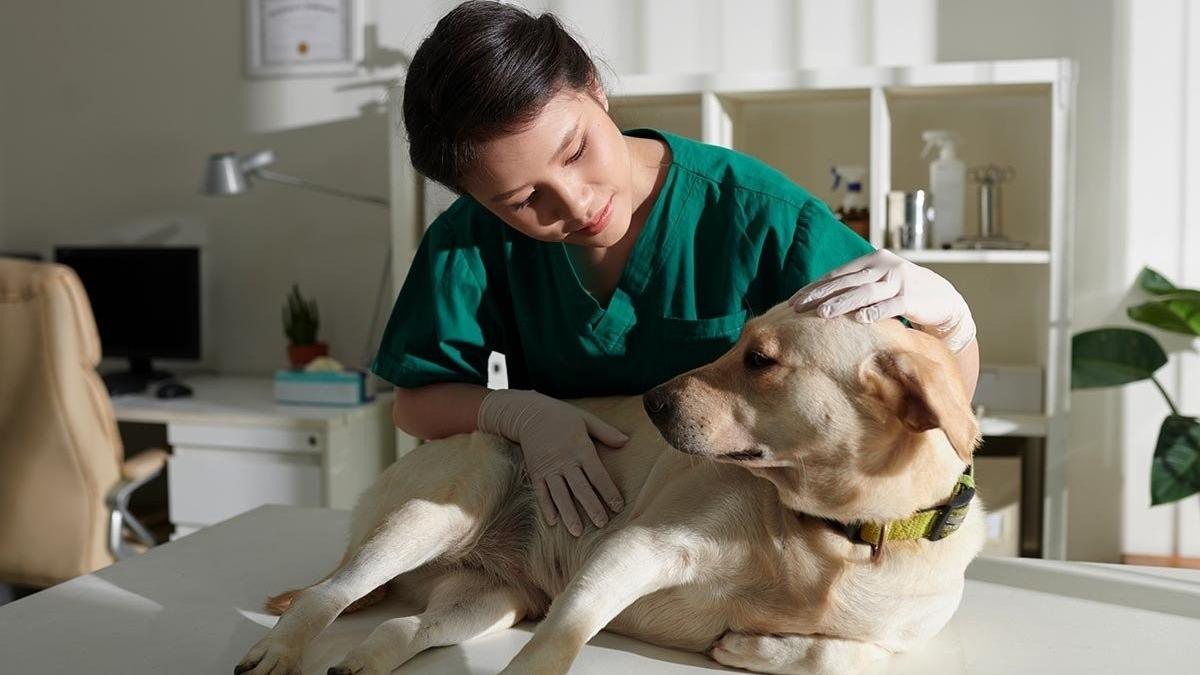
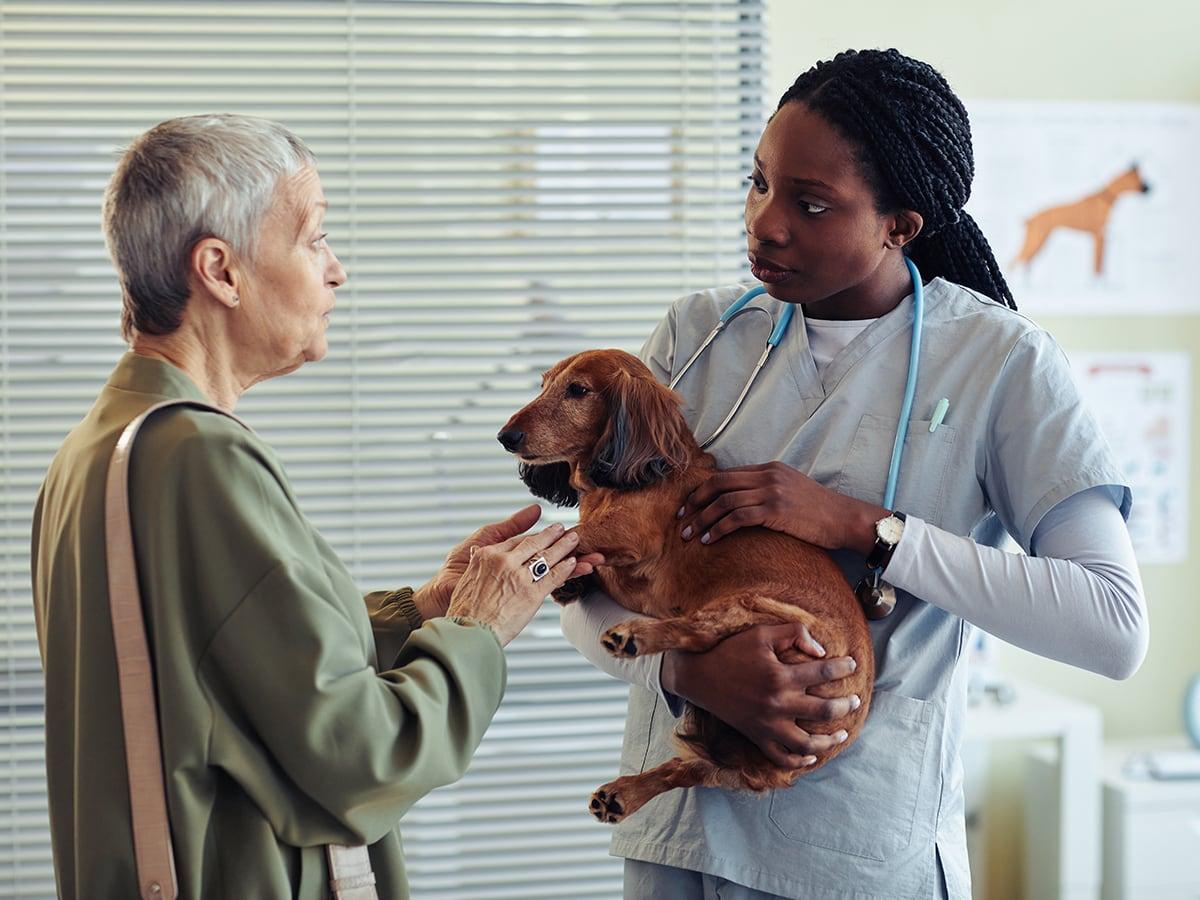
When a pet faces a sudden illness, accident, or injury, every minute counts — and so does every dollar. Emergency vet bills can be overwhelming, especially when costs climb into the thousands. That’s where Spot Pet Insurance can help.
Spot’s plans are built to help pet parents handle the unexpected by helping cover eligible emergency vet costs for accidents, illnesses, and injuries. From X-rays and emergency surgeries to prescription medications and hospitalization, Spot helps make sure your pet can get the care they need — with less financial stress.
What Do Emergency Vet Visits Cost?
Emergency vet care can vary widely based on your pet’s condition, breed, and location. On average, an emergency visit can range anywhere from $150 to $5,000 or more — and that’s before factoring in surgery or ongoing care1.
Here’s a breakdown of what common emergency services might cost2.
Diagnostics (bloodwork, imaging, exams): $180 – $450
Pain medication: $40 – $80
Hospitalization: $800 – $2,500
IV fluids: $60 – $95
Surgery: $1,500 – $5,000+
Common emergencies like broken bones, poisoning, heatstroke, or severe infections can quickly become expensive — and unexpected. With Spot Pet Insurance, you can get help covering these eligible costs and focus on your pet’s recovery instead of worrying about the bill.
How Spot Pet Insurance Helps with Emergency Vet Bills
Spot’s plans help pet parents manage the financial impact of sudden veterinary expenses. Coverage can include:
Emergency exams and diagnostics (like X-rays, blood tests, and imaging)
Surgery and hospitalization
Prescription medications and follow-up care
Emergency or specialty clinic visits
Spot reimburses up to 90% of eligible costs for covered emergencies, depending on the plan you choose. Whether it’s a late-night visit to an emergency hospital or an unexpected illness, Spot is there to help you cover the cost of care — fast.
Customizable Pet Insurance Plans That Fit Your Budget
Every pet — and every budget — is different. Spot gives pet parents the flexibility to customize their plan with:
Annual coverage limits that fit your needs
Deductibles you’re comfortable with
Reimbursement rates of up to 90%
This flexibility means you can build a plan that works best for you and your pet — whether you want extensive coverage or a plan focused on accident and illness protection.
With Spot, you’re in control of your coverage, helping give you confidence when unexpected emergencies happen.
Fast and Easy Claims Process
Spot knows that emergencies can be stressful, so we’ve made the claims process as simple and quick as possible:
Visit any licensed vet in the U.S. or Canada — no network restrictions.
Pay your bill at the time of service.
Submit your claim online in just 30 seconds through the Spot Member Portal or app.
Get reimbursed fast — most claims are processed and paid within 48 hours.
This straightforward process means pet parents can spend less time worrying about paperwork and more time focusing on their pet’s recovery.
Why Pet Parents Trust Spot During Emergencies
Pet parents choose Spot Pet Insurance because it offers more than coverage — it offers confidence and peace of mind when life throws the unexpected your way.
Here’s why Spot stands out:
No network restrictions: Visit any licensed veterinarian, specialist, or emergency clinic in the U.S. or Canada.
Fast claims turnaround: Most claims reimbursed within 48 hours.
Flexible reimbursement options: Choose up to 90% back on eligible costs.
Extensive coverage: Plans include accidents, illnesses, and even alternative therapies for covered conditions.
Spot is designed to help give pet parents the freedom to make the best care decisions — with less wories about financial limitations.
FAQs About Emergency Vet Coverage with Spot Pet Insurance
Does Spot Pet Insurance cover emergency vet visits? Yes. Spot Pet Insurance helps cover the eligible costs of emergency vet care for covered accidents and illnesses — including exams, diagnostics, surgery, and hospitalization.
Can I visit any vet during an emergency? Absolutely. With Spot, you can visit anylicensed veterinarian in the U.S. or Canada — no network restrictions or referral requirements.
How much can I get reimbursed for an emergency vet bill? Depending on your plan, Spot can reimburse up to 90% of covered expenses after your deductible.
How quickly are claims processed? Spot aims to make reimbursement simple and fast. Most claims are processed within 48 hours, helping you recover costs quickly.
Does Spot cover follow-up care after an emergency? Yes. If the condition is covered under your policy, Spot also helps reimburse eligible follow-up visits and treatments after the initial emergency care.
Key Takeaway
When emergencies strike, Spot Pet Insurance helps give pet parents financial relief and peace of mind. With coverage for accidents, illnesses, and emergency treatments, plus up to 90% reimbursement, you can focus on your pet's care, not the cost. Here's how Spot showed up for real families when it mattered most.
Learn more about pet insurance, or get a free quote today!

With 10 years of experience as a pet parent, I aim to empower pet owners with insights into pet insurance and maintaining their pet's well-being. I aspire to be a trusted source, combining knowledge with a commitment to the welfare of our beloved pets.
Ferrer, A. A. (2024, April 17). How Much is an Emergency Vet Visit? Money. https://money.com/how-much-is-an-emergency-vet-visit/
“2024 Pet Insurance Survey,” MarketWatch, https://www.marketwatch.com/guides/pet-insurance/pet-insurance-survey/, Dec. 28, 2023.