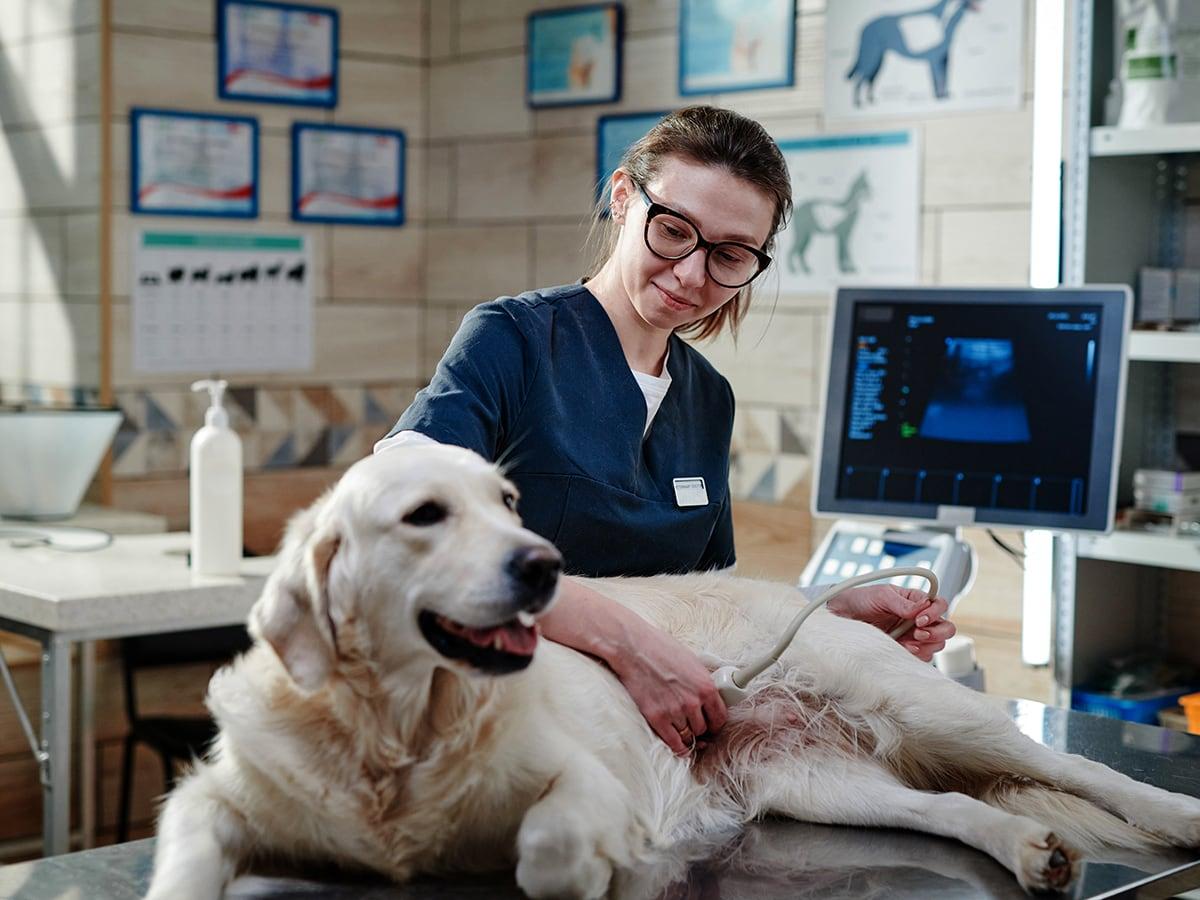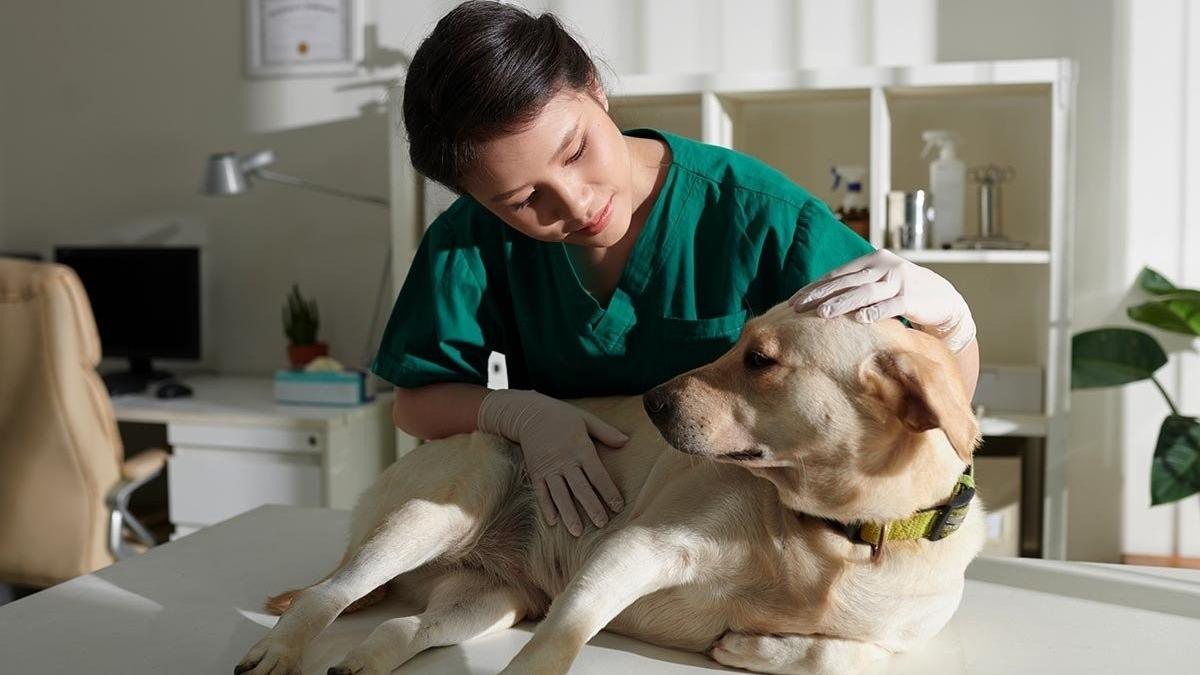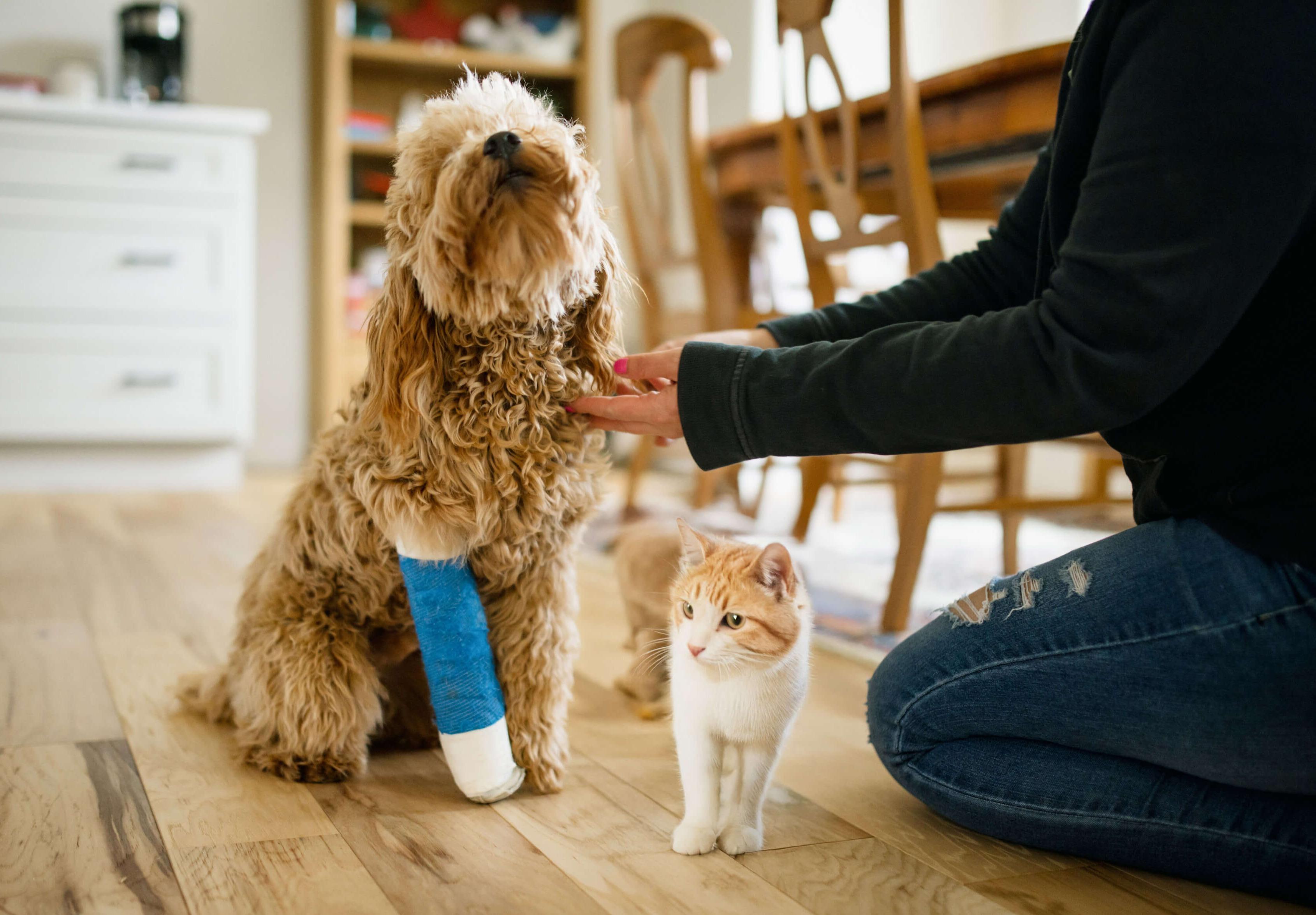
Pet insurance helps reimburse pet parents for covered veterinary expenses from unexpected accidents and illnesses. You pay the vet directly, submit a claim with documentation, and receive reimbursement based on your plan’s terms. Most plans help cover unexpected events — injuries, diseases, emergency care — while excluding routine preventive services unless wellness coverage is added.
The pet insurance industry has grown significantly — the NAPHIA 2025 State of the Industry Report¹ shows the U.S. market grew 21.4% year-over-year in 2024, and the AVMA² reports 6.4 million pets were insured by year-end 2024.
Key Pet Insurance Terms Explained
Understanding the core pet insurance terminology makes comparing plans easier.
Premium
Your premium is what you pay to maintain coverage, typically billed monthly or annually. It varies by pet age, breed, sex, location, and coverage options. Younger pets and lower-risk breeds usually carry lower premiums than seniors or higher-risk breeds.
Deductible
The deductible is what you pay for covered services before reimbursement begins. Most plans use annual deductibles that reset each policy year. A higher deductible lowers your premium but raises out-of-pocket cost at claim time. Note: some pet-related premiums may be tax-deductible for service or working animals.
Deductible Type | How It Works |
|---|---|
Annual deductible | Satisfy this amount once per year before reimbursement can begin |
Per-incident deductible | Satisfy this amount for each new condition or injury once per lifetime |
Annual deductibles are the most common structure — predictable once met for the year.
Reimbursement Rate
The reimbursement rate is the percentage of covered expenses your plan helps pay after the deductible is met — commonly 70%, 80%, or 90%.
How the math works: once the deductible is met, an 80% reimbursement rate returns 80% of the covered bill — the remaining 20% is out-of-pocket.
Annual Limit
The annual limit caps how much your insurance reimburses per policy year. Some plans offer unlimited coverage; others set fixed annual caps that vary by provider. Higher limits help protect against expensive conditions like cancer treatment or emergency surgery.
Waiting Period
Waiting periods are the time between enrollment and active coverage. They prevent fraud by ensuring pet parents don’t sign up only after a pet needs care. Lengths vary by coverage type, provider, and state.
What Does Pet Insurance Cover?
Pet insurance plans vary, but most accident-and-illness policies help cover unexpected health events that occur after enrollment and any waiting periods. For a deeper view of typical inclusions, see our guide to what pet insurance covers.
Typically Covered
Category | Examples |
|---|---|
Broken bones, swallowed objects, cuts, car accidents, bite wounds | |
Infections, cancer, diabetes, allergies, digestive issues, heart disease | |
Hereditary conditions | Hip dysplasia, eye disorders, heart defects |
Emergency care | Hospitalization, emergency surgery, poison treatment |
Diagnostics | X-rays, MRIs, blood work, ultrasounds |
Treatments | Surgery, medications, chemotherapy, physical therapy |
Typically Not Covered
Category | Examples |
|---|---|
Any condition diagnosed or showing symptoms before coverage began, including during any waiting periods | |
Routine/preventive care | Annual exams, vaccinations, dental cleanings (unless wellness coverage added) |
Breeding costs | Pregnancy, whelping, breeding-related conditions |
Cosmetic procedures | Ear cropping, tail docking, declawing |
Experimental treatments | Unproven therapies not generally accepted by veterinary medicine |
How to Customize a Pet Insurance Plan
Most providers let pet parents adjust three levers to balance coverage with cost: deductible, reimbursement rate, and annual limit.
Choosing Your Deductible
Lower deductibles mean higher monthly premiums but less out-of-pocket cost at claim time. Higher deductibles reduce premiums but require more out-of-pocket before reimbursement begins. Match the deductible to how much you can comfortably cover up front.
Selecting Your Reimbursement Rate
Higher rates (90%) offer more protection at a higher premium; lower rates (70%) cut premiums but leave you with a larger share of covered bills. Many pet parents choose 80% as a balance. For tighter budgets, low-cost pet insurance options walks through how to dial these levers down without dropping coverage.
Setting Your Annual Limit
Your annual limit should reflect worst-case scenarios — cancer treatment, emergency surgery, or chronic-condition management can reach tens of thousands of dollars. Unlimited limits maximize protection at a higher premium; lower limits reduce cost.
How to File a Pet Insurance Claim
The claims process at most providers follows four steps.
Step 1: Obtain Documentation
Request an itemized, paid invoice from the vet showing each service, cost, and diagnosis. Complete documentation speeds processing.
Step 2: Submit Your Claim
Most providers accept claims through a member portal, mobile app, or email. Confirm submission options at enrollment.
Step 3: Claim Review
The claims team verifies eligibility, applies the deductible and reimbursement rate, and calculates the reimbursement amount. Reviewers may request medical records for new conditions.
Step 4: Receive Payment
Once approved, reimbursement arrives via check or direct deposit — typically within a few business days of complete documentation.
Advantages of Pet Insurance
Pet insurance can offer several benefits beyond simple cost coverage.
Financial Predictability
Converting unpredictable vet emergencies into predictable monthly payments helps pet parents budget. Instead of a sudden four- or five-figure bill, you pay a known premium knowing major unexpected expenses can be partially covered.
Freedom to Choose the Best Care
When cost is a secondary concern, treatment decisions can be made on what’s best for the pet rather than what’s affordable — often leading to better outcomes and less stressful decision-making.
Broad Veterinary Access
Most U.S. pet insurance plans operate without veterinary networks — a family vet, an emergency clinic, or a specialist all bill the same way through the reimbursement process.
Coverage Across Life Stages
Pet insurance offers ongoing protection as pets age and health risks rise. Enrolling early matters — once a condition is diagnosed, it generally becomes a pre-existing condition for any future plan.
Considerations Before Enrolling
Pet insurance works best when its limitations are understood up front.
Pre-Existing Conditions
Pet insurance cannot cover conditions that existed before enrollment or were diagnosed during any waiting period. Some providers may help cover curable conditions that have remained treatment- and symptom-free for a defined window — terms vary by carrier and state, so check the specific policy language.
Waiting Periods Apply
Coverage typically doesn’t begin immediately after enrollment. Waiting periods vary by coverage type, provider, and state — particularly relevant if a pet is heading into a life stage where issues are more likely to surface.
Premiums May Increase
Premiums typically rise as pets age because older animals have higher healthcare needs. Rate changes may also reflect veterinary cost inflation or geographic claim experience. Reading renewal terms before enrolling makes long-horizon costs easier to anticipate.
Frequently Asked Questions
How does pet insurance reimbursement work?
You pay the vet directly, submit a claim with documentation, and the insurer applies your deductible and reimbursement rate to covered expenses, then pays you via check or direct deposit.
Can I use pet insurance at any vet?
In most cases, yes. U.S. pet insurance plans typically operate without veterinary networks, so any licensed vet — including specialists and emergency clinics — can be used. Confirm your provider’s specific terms at enrollment.
What percentage of vet bills does pet insurance cover?
The reimbursement rate selected at enrollment (typically 70%, 80%, or 90%) applies to covered expenses after the deductible. Excluded items like pre-existing conditions or routine care are not included.
Is pet insurance worth the monthly cost?
Value depends on financial situation and risk tolerance. The AVMA reports² that 6.4 million U.S. pets were insured by year-end 2024, reflecting growing recognition of the financial-protection value.
Does pet insurance cover dental work?
Standard accident-and-illness policies typically help cover dental extractions tied to unexpected accidents or illness. Routine cleanings and preventive dental care generally require wellness coverage.
Key Takeaway
When the unexpected happens, you shouldn't have to choose between your pet and your finances. Spot Pet Insurance offers accident and illness coverage to help reimburse eligible costs related to covered injuries, illnesses, diagnostics, and treatment — with optional preventive care for routine services like annual exams, dental cleanings, and certain vaccines. Understanding what's included can help you choose coverage that fits your pet's lifestyle. Read about how Spot showed up for real families when it mattered most:

We’re pet parents first—and writers, marketers, and product developers by trade—combining lived experience with industry expertise in everything we create.
North American Pet Health Insurance Association. “State of the Industry Report 2025.” NAPHIA, 2025. https://naphia.org/industry-data/
American Veterinary Medical Association. “US Pet Insurance Industry Surpasses $4.7B in 2024.” AVMA, 2025. https://www.avma.org/news/us-pet-insurance-industry-surpasses-4b-2024