Dog breed significantly shapes what health risks your pet may face — and what pet insurance coverage matters most for protecting them. Golden Retrievers are among the most cancer-prone dog breeds, while English Bulldogs carry a high risk of respiratory complications tied to their flat facial structure. Understanding these breed-specific health predispositions helps pet parents choose coverage before a costly condition develops.
How Dog Breed Shapes Pet Insurance Needs
Pet insurance coverage relevance varies by breed because different dogs face statistically different health risks. A breed’s genetic makeup, body structure, and size all influence which conditions they are more likely to develop over a lifetime. For Golden Retriever and English Bulldog owners, coverage for hereditary conditions and chronic illnesses tends to matter more than for many other breeds — and those differences can have a significant impact on the cost of care.
Both breeds share a significant common vulnerability: hip dysplasia. This orthopedic condition occurs when the hip joint doesn’t form correctly, causing pain and reduced mobility that often worsens with age. According to CareCredit’s veterinary cost data¹, hip dysplasia surgery for dogs ranges from $800 to $10,000 depending on severity and the type of surgical procedure required. For breeds with elevated orthopedic risk, confirming orthopedic coverage terms before enrolling in any policy is a practical first step.
Golden Retrievers: Health Risks and Coverage Priorities
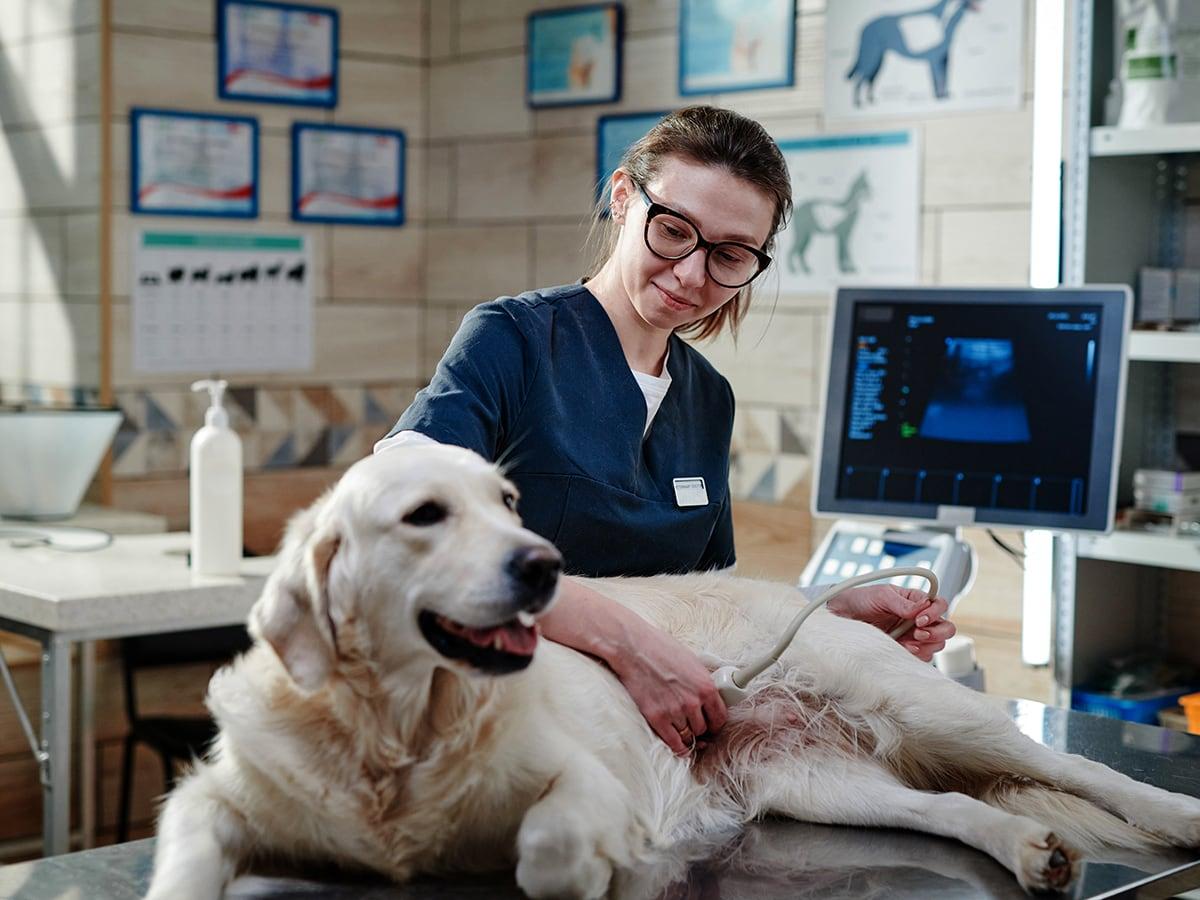
Golden Retrievers are well-loved for their gentle temperament and loyal nature, but they carry one of the most significant health burdens of any dog breed: a disproportionately high rate of cancer.
Cancer Risk in Golden Retrievers
A 2018 necropsy study of 652 Golden Retrievers at a U.S. veterinary academic medical center, published through the National Institutes of Health², documented cancer-related mortality of approximately 65% in the breed. The most common diagnoses included hemangiosarcoma, lymphoma, and mast cell tumors — conditions with a known hereditary component in Golden Retrievers.
Cancer treatment — including surgery, chemotherapy, and radiation — can represent some of the highest single veterinary costs a pet parent will encounter. Diagnostics alone for suspected cancer, including biopsies and imaging, often run into the hundreds or thousands of dollars before treatment even begins. For Golden Retriever owners, pet insurance that help covers cancer and serious illnesses is one of the most valuable coverage elements to confirm when evaluating any plan.
Other Common Conditions in Golden Retrievers
Beyond cancer, Golden Retrievers are prone to:
Skin allergies and ear infections: The breed’s dense double coat and floppy ears create conditions where moisture and allergens accumulate easily. Environmental allergies in dogs often require recurring veterinary visits, prescription medications, and sometimes specialized diets — making this a significant ongoing expense for many Golden Retriever owners.
Hip dysplasia: As a large-breed dog, Golden Retrievers are predisposed to orthopedic conditions that can develop during their early growth years and progress over time.
Heart disease: Subvalvular aortic stenosis is more common in Golden Retrievers than in most other breeds, particularly in intact males.
An extensive accident and illness plan that explicitly covers hereditary conditions, chronic illnesses, and recurring treatments provides the broadest protection for this breed’s known health challenges.
English Bulldogs: Health Risks and Coverage Priorities
English Bulldogs are distinctive in both appearance and health profile. Their compact, muscular build and flattened facial structure — while defining characteristics of the breed — create a unique set of medical vulnerabilities that pet parents should understand before choosing a policy.
Brachycephalic Obstructive Airway Syndrome (BOAS)
The most significant health concern for English Bulldogs is brachycephalic obstructive airway syndrome (BOAS), a chronic respiratory condition caused by the physical structure of the breed’s airway. In a 2022 UK VetCompass population study, English Bulldogs were found to have 19.20 times the risk of BOAS³ compared to non-English Bulldog dogs. In a clinical case series of 90 dogs treated for the condition, English Bulldogs accounted for 61% of cases.³
BOAS causes difficulty breathing, reduced exercise tolerance, and sleep disruption. Moderate to severe cases typically require surgical intervention — procedures that may include nares resection, soft palate correction, or other airway widening surgeries. Because BOAS is a structural and hereditary condition, understanding how a prospective plan covers it matters. Coverage for breed-specific structural and hereditary conditions — similar to what affects other flat-faced breeds — is particularly valuable for English Bulldog owners.
Other Common Conditions in English Bulldogs
English Bulldogs also frequently develop:
Hip dysplasia: Despite their stocky build, English Bulldogs have elevated rates of hip dysplasia that can worsen without treatment over time.
Skin fold infections: The breed’s characteristic folds trap moisture and bacteria, causing recurring dermatitis that requires ongoing veterinary management.
Eye conditions: Cherry eye and other structural eye conditions are more common in Bulldogs than in most breeds.
Many of these conditions are hereditary or structural in nature. English Bulldog owners benefit most from plans that specifically help cover chronic and hereditary conditions, rather than accident-only coverage that may exclude them.
Choosing the Right Coverage for Your Breed
When evaluating pet insurance for a Golden Retriever or English Bulldog, these factors carry more weight than they might for other breeds:
Hereditary condition coverage: Verify that any policy explicitly covers hereditary conditions. Both breeds have significant predispositions that fall into this category, and plans vary widely in how they define and handle these claims.
Annual limit: Given the potential for high-cost care — cancer treatment for Golden Retrievers, airway surgery for English Bulldogs — a higher or unlimited annual limit provides stronger financial protection when claims are large.
Deductible structure: An annual deductible is generally more favorable than a per-incident deductible for breeds prone to recurring or chronic conditions, where the same ongoing condition may generate multiple claims.
Enrollment timing: Pet insurance does not cover pre-existing conditions. Enrolling before a breed-specific condition is diagnosed helps avoid future exclusions.
Choosing the right pet insurance plan involves matching your dog’s specific health profile to the plan’s coverage terms. For high-risk breeds like Golden Retrievers and English Bulldogs, coverage depth matters more than finding the lowest possible premium.
When comparing pet insurance providers, it’s important to look closely at what’s actually covered. Some plans may offer lower premiums upfront, but fewer benefits when your pet needs care most.
Spot Pet Insurance includes microchip implantation coverage with every plan and helps reimburse covered costs related to eligible chronic conditions, hereditary conditions, dental illnesses, and prescription foods.* These coverages can make a meaningful difference over time. Learn more about what pet insurance covers.
Behind every claim is a pet parent who got to say yes to their pet's care. Read their stories and see what peace of mind really looks like.
*Prescription food & supplements are covered if they are prescribed to treat an eligible accident or illness. Prescription food & supplements are not covered if they are used for weight management or general health maintenance.

We’re pet parents first—and writers, marketers, and product developers by trade—combining lived experience with industry expertise in everything we create.
CareCredit. "Dog Hip Dysplasia Surgery Cost and Procedure Guide." CareCredit, 2025. https://www.carecredit.com/well-u/pet-care/dog-hip-dysplasia-surgery-cost-financing/
Grosslein, M.D. et al. "Association of cancer-related mortality, age and gonadectomy in golden retriever dogs at a veterinary academic center (1989–2016)." PMC/NIH, 2018. https://pmc.ncbi.nlm.nih.gov/articles/PMC5800597/
O'Neill, D.G. et al. "English Bulldogs in the UK: a VetCompass study of their disorder predispositions and protections." PubMed, 2022. https://pubmed.ncbi.nlm.nih.gov/35701824/