If you’ve been navigating the dog training industry recently, you’ve likely been presented with different approaches, tools, and methodologies. It can be confusing to say the least. After all, we just want what’s right for our dogs.
But what is right? What is wrong? Let’s break it down.
Training Tools are Just Tools
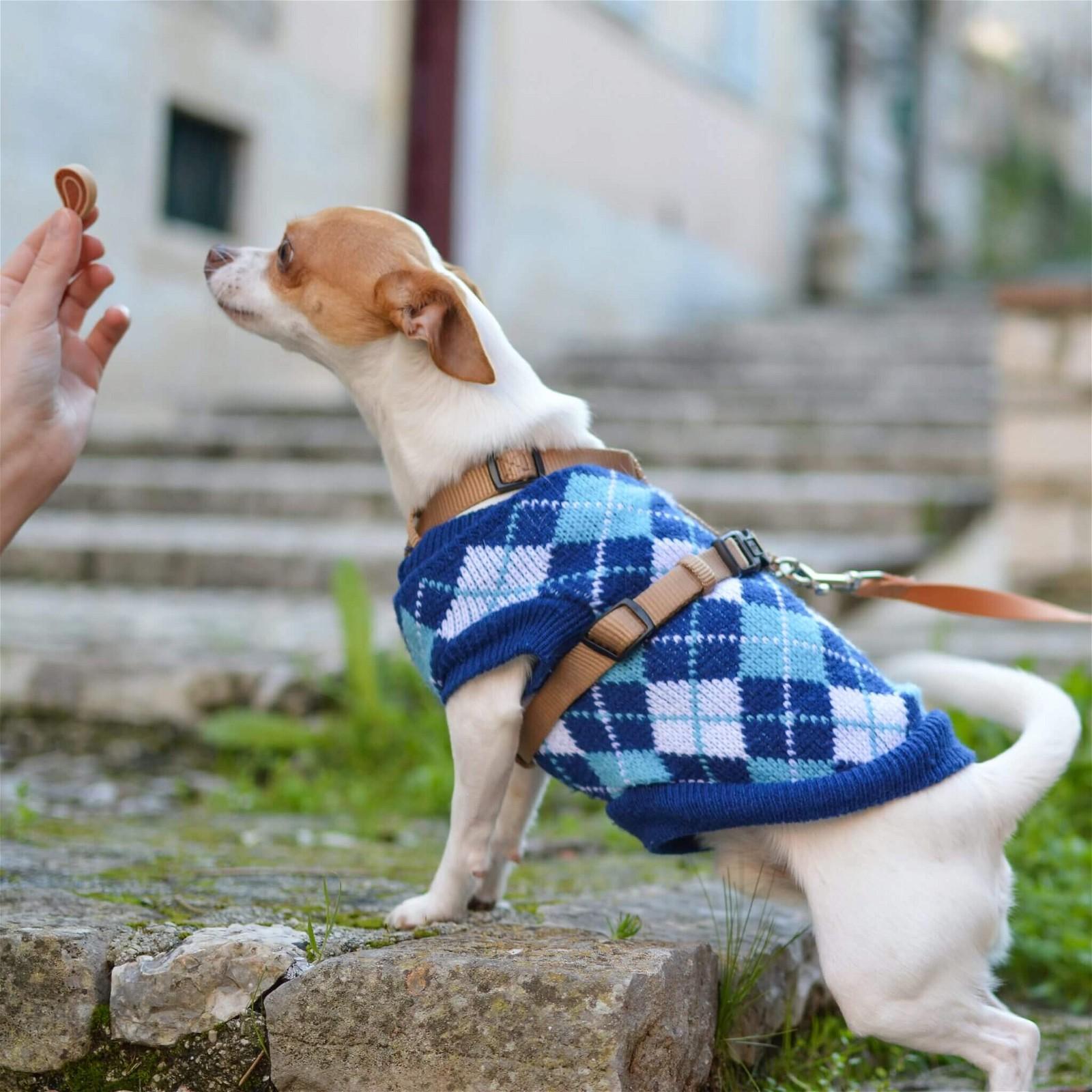
At the end of the day, a training tool or collar, such as an e-collar, prong collar, martingale, slip lead, and yes, even a treat, is a tool commonly associated with dog training.
A tool by definition, “is a handheld device that aids in accomplishing a task.” The task in this case is to train a dog. Tools are not inherently harmful; what matters most is how they are used and the knowledge behind their application.
The Key is in The Education
In any industry, you’re going to have people who leverage a tool without first understanding it. So, yes, while the tool itself can’t be inherently harmful, the operation of it without full knowledge can lead to less than satisfying results.
An e-collar, for example, needs to be understood before it enters someone’s hands. The e-collar itself is not harmful when used properly. An e-collar acts as a tap on the shoulder, similar to a leash, to grab a dog’s attention when they’re distracted.
When used properly, this tool can help train a dog to be responsive in distracting situations, reducing the risk that they will run off and find themselves in a dangerous situation, like running into traffic.
Safety Is Always The Priority
If we remove the tools from the discussion, we all want our dogs to be well-mannered enough that we can be at peace on our walks, travel, and wherever life takes us.
If that’s the case, we should all strive as dog owners to learn how to properly use the tools we choose while putting in the effort and repetition needed to help keep our dogs safe from the dangers of an unpredictable world.
So the next time you see someone trying to position a tool as harmful, remember this simple fact: Experience is what makes the difference when it comes to dog training.
In Closing
If you’re lost on how to navigate the noise of dog training and are seeking the perspective of a once-struggling dog owner turned dog owner, reach out anytime. We’re here to help: info@hopegablescanine.com 🐕✨
Nicolas Angione is the founder and head dog trainer at Hope Gables Canine, based in Fairfield County, CT. Inspired by his own dog's reactive journey and rehabilitation, he left his career behind to become a dog trainer. After years of shadowing other dog trainers in the industry, he started his own practice, which has successfully helped hundreds of dog owners, both domestic and abroad, regain peace and harmony with their dogs. Many of these success stories, dog training tips, and more can be found on their Instagram and YouTube pages.