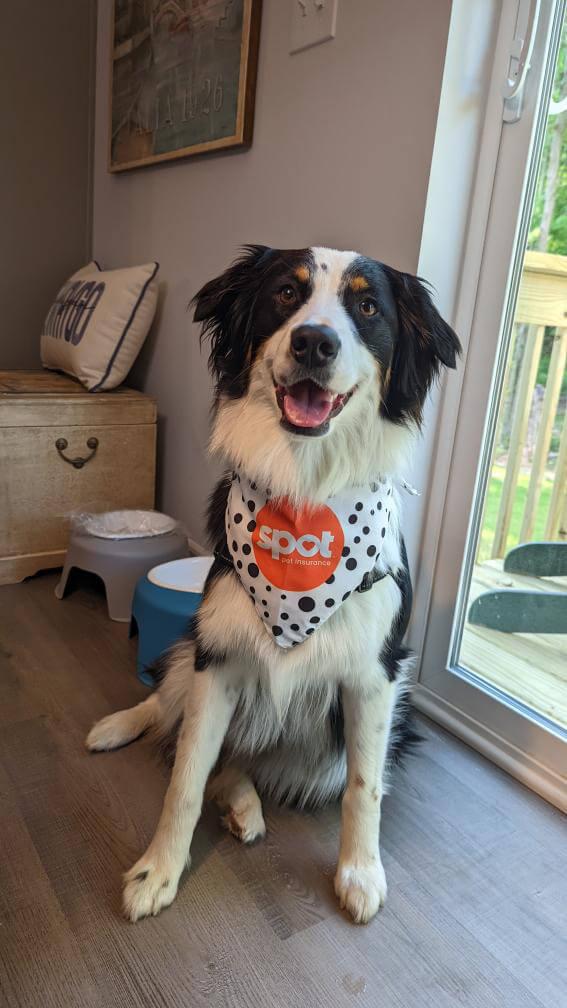
Quick Glance
Definition | A dog with two or more breeds in its ancestry — also called a mixed-breed or crossbreed. |
How common | Mixed-breed dogs make up the majority of the US dog population. |
Health | Often benefit from hybrid vigor — broader genetic diversity than purebreds. |
Temperament | Varies widely; personality is shaped by genetics and upbringing. |
DNA testing | Breed DNA tests can identify ancestry with reasonable accuracy. |
What Does "Mutt" Mean?
A mutt — also called a mixed-breed dog or crossbreed - is simply a dog whose ancestry includes two or more different breeds. There's no negative meaning behind the term today; it's used affectionately by most dog lovers. Mixed-breed dogs make up the majority of the dog population in the United States and are by far the most common type of dog found in shelters.1
A mutt is different from a designer crossbreed (like a Labradoodle or Goldendoodle), which is the intentional crossing of two known purebred parents. Mutts typically have a more complex and unknown ancestry, often spanning multiple generations of mixed-breed dogs.
Are Mutts Healthier Than Purebreds?
This is one of the most common questions about mixed-breed dogs — and the answer is generally yes, but it depends.
Purebred dogs are the product of selective breeding within a closed gene pool, which increases the risk of inherited genetic conditions specific to that breed. Golden Retrievers have a higher rate of cancer. Cavalier King Charles Spaniels are prone to heart disease. German Shepherds face elevated rates of hip dysplasia.2
Mixed-breed dogs, by contrast, benefit from what's called hybrid vigor (or heterosis) — the broader genetic diversity of a mixed-breed background can reduce the expression of recessive disease genes. Research does support that mixed-breed dogs tend to have lower rates of certain inherited disorders compared to their purebred counterparts.3
That said, mutts aren't immune to health problems. They can still inherit conditions from their component breeds, and without knowing a dog's full ancestry, it can be harder to anticipate specific health risks. Unexpected vet bills can add up quickly regardless of your dog's breed mix — which is why many pet parents find it worth exploring pet insurance before a health issue arises, rather than after. This is also one reason DNA testing has become so popular.
What Breeds Make Up a Mutt?
Without a DNA test, breed identification in mixed-breed dogs is notoriously unreliable — even among veterinarians and experienced shelter staff.
Dog DNA tests (Embark, Wisdom Panel, and others) analyze hundreds of thousands of genetic markers and can provide reasonably accurate breed breakdowns. While not perfectly precise, they can give helpful context about likely health risks, behavioral tendencies, and even size predictions in puppies.
What Is the Temperament of a Mutt?
Mixed-breed dogs have highly variable temperaments, which is actually part of their appeal. Unlike a purebred dog, where you can reliably predict certain herding, guarding, or hunting tendencies, a mutt's personality is a blend of its genetic influences and its upbringing.
What we do know is that socialization, training, and environment are the biggest determinants of how a dog behaves — regardless of breed. A well-socialized, consistently trained mutt will typically be a well-adjusted companion.2
Why Mutts Make Great Pets
Uniqueness: No two mutts are the same. Many people love having a dog that's truly one of a kind.
Availability: Shelters are full of mixed-breed dogs waiting for homes. Adopting a mutt can save a life.
Potentially fewer inherited health issues: Hybrid vigor may mean fewer breed-specific conditions.3
Adaptability: Mixed-breed dogs are often described as adaptable and resilient.2
Frequently Asked Questions: What Is a Mutt?
Is a mutt the same as a mixed-breed dog?
Yes. Mutt, mixed-breed, crossbreed, and mongrel all describe the same thing: a dog with ancestry from two or more breeds. The term mutt has largely shed the negative connotation it once carried and is used widely and affectionately.
Are mutts good family dogs?
Mutts can be excellent family dogs. Like any dog, their suitability for families depends on their individual temperament, socialization history, and energy level — not whether they're purebred or mixed. Many of the most beloved family dogs are mixed breeds.
Can you tell what breeds are in a mutt?
Not reliably by appearance. Visual breed identification by people — even experts — is often inaccurate. A dog DNA test can be the most reliable way to understand your mutt's breed makeup.
Should I get a mutt or a purebred dog?
Both have advantages. Purebreds offer more predictability in size, coat, and temperament; mixed breeds often bring greater genetic diversity and uniqueness. If you're open to a mutt, adopting from a shelter is a wonderful option — millions of mixed-breed dogs need homes every year.
The information presented in this article is for educational and informational purposes only and does not constitute or substitute for the advice of your veterinarian.

We’re pet parents first—and writers, marketers, and product developers by trade—combining lived experience with industry expertise in everything we create.
‘Mutt (Mixed Breed Dog).’ DogTime. https://dogtime.com/dog-breeds/mutt.
‘Common Breed-Related Diseases and Problems in Pets.” Midtown Veterinary Hospital, https://mvethospital.com/common-breed-related-diseases-and-problems-in-pets/.
VIN News Service: Research challenges notion of ‘hybrid vigor’ in dogs. December 10, 2024. https://news.vin.com/doc/?id=12402914