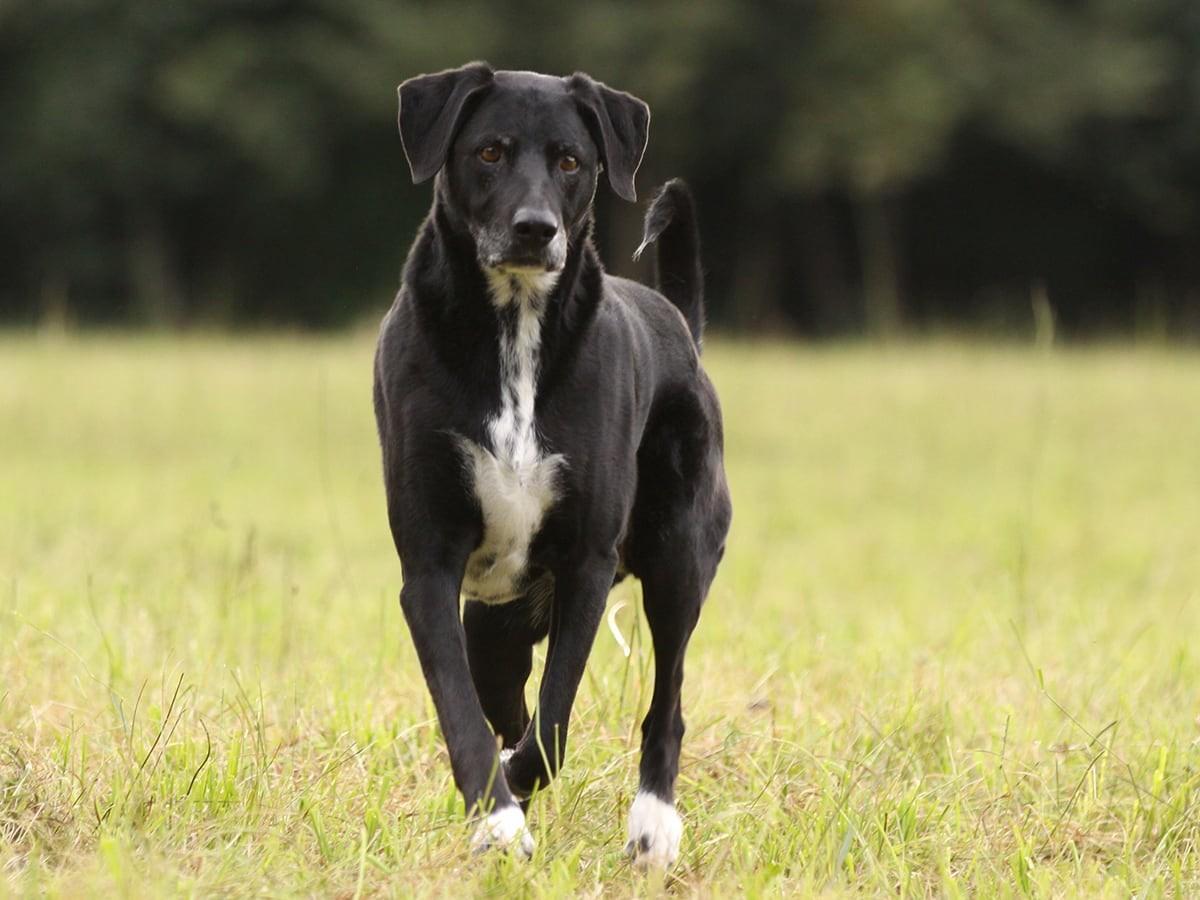
Every dog owner has felt this before:
You introduce a new challenge.
Your dog looks uncertain at first.
And you panic.
You worry that you’ve pushed too far.
But what if, instead of removing them from the moment, you showed them that they’re capable of existing in it.
1. Confidence comes from the unfamiliar
First, you must be aware of where your dog is in their training. Pushing them too far, too soon, is a very real concern.
However, if you’ve set your dog up for success within the home, graduated them to scenarios with light distractions, then to greater ones, your dog is ready, even if they look uncertain at first.
Think about it this way: Are you 100% certain every time you walk into a new challenge? Being assigned to a new project at work, for example? How do you feel during the moments leading up to a presentation? Slightly anxious?
These feelings are a normal part of the process. And exposure, overcoming the challenges of the moment, in turn, is what builds greater confidence. Avoidance keeps progress from plateauing.
2. Our guidance in these moments is what really matters
Our dogs ultimately look to us for direction. The lack thereof creates further uncertainty. When you’re working your dog through challenges, and your dog looks uncertain at first, ask yourself this simple question:
What can I do to make it clear to my dog that the space they’re in right now isn’t something to fear but a situation where I can build trust in my relationship with them?
That’s where growth happens. That’s how bonds become stronger.
3. The missing piece you can change today
The leash is often overlooked during these moments. Think about it this way: The one item that connects you to your dog is the leash. You can’t get much clearer than that, so let’s use it to our advantage.
When your dog looks uncertain, step in with the leash and guide them directionally to where you want them to go.
This might mean having them return to the command they were performing or asking them to follow your lead as you move through a busy environment when they start to drift away.
Repeating this guidance will help your dog understand what to expect and how to behave in future situations.
In Closing
While it’s important to always be mindful of how and when you introduce challenges and new environments to your dog, there comes a point in their training where you’re going to encounter uncertainty. How you help them navigate through these moments of initial stress is what builds their resilience and where growth occurs.
If this resonated and you want help applying it with your dog, reach out anytime:
info@hopegablescanine.com 🐕✨
Nicolas Angione is the founder and head dog trainer at Hope Gables Canine, based in Fairfield County, CT. Inspired by his own dog's reactive journey and rehabilitation, he left his career behind to become a dog trainer. After years of shadowing other dog trainers in the industry, he started his own practice, which has successfully helped hundreds of dog owners, both domestic and abroad, regain peace and harmony with their dogs. Many of these success stories, dog training tips, and more can be found on their Instagram and YouTube pages.