Have you ever encountered a dog wagging his or her tail only to see them become reactive or aggressive? That’s because not all tail wagging signals that a dog is happy or excited. Some tail wagging is actually a red flag for what’s about to occur, and understanding these signals can keep you and your dog safe. Let’s review.
1. What is arousal in dogs?
Think of arousal as a dog’s nervous system responding to cues within their environment. It may start as excitement, but can often spill over into reactive or aggressive behavior. Not all arousal is bad, but when arousal becomes overwhelming to a dog, they begin to make poor choices.
When this occurs, you’ll often see body language signals that will cue you in on what’s about to happen, which is usually an explosion of growling, barking, and lunging. The sign that this is about to happen is almost always the most obvious when you look at a dog’s tail.
2. As a Dog’s Arousal Increases, Their Tail Rises
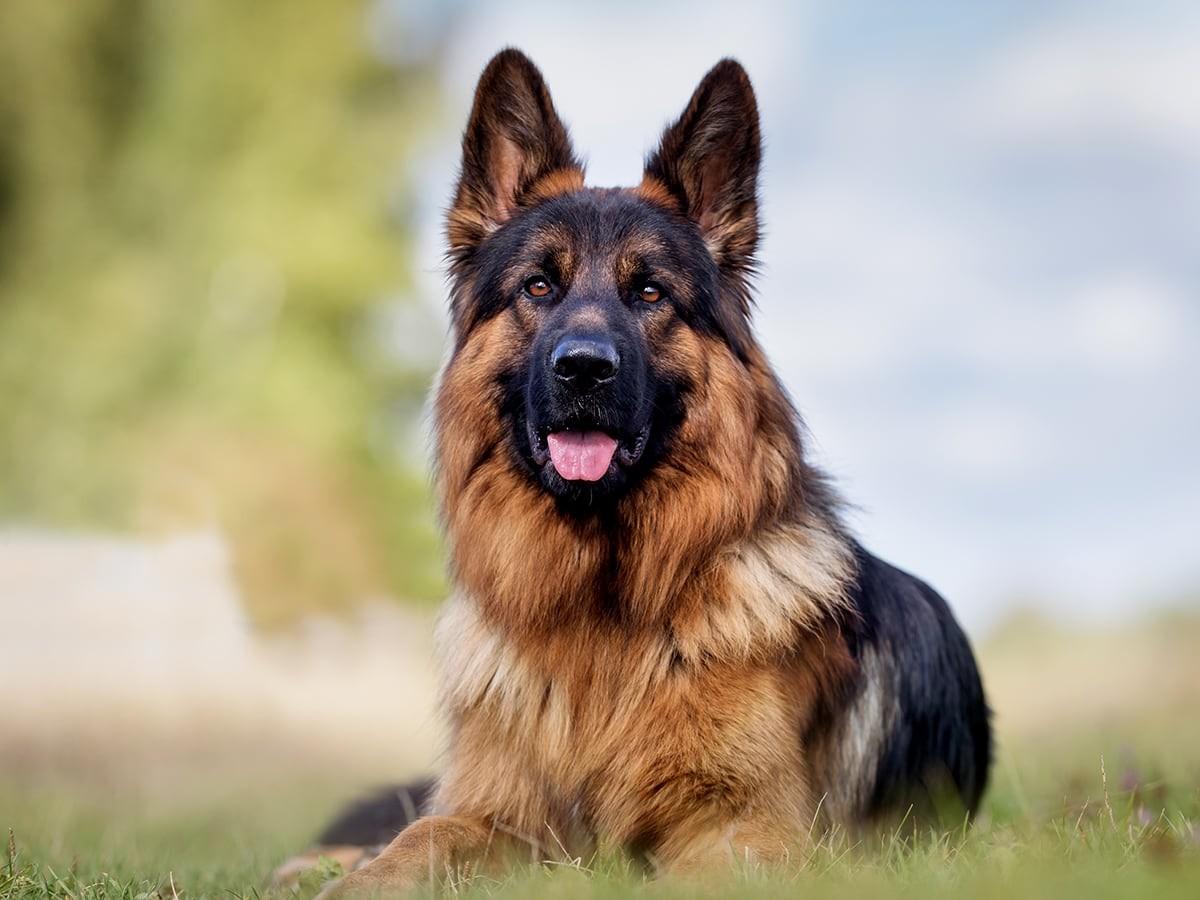
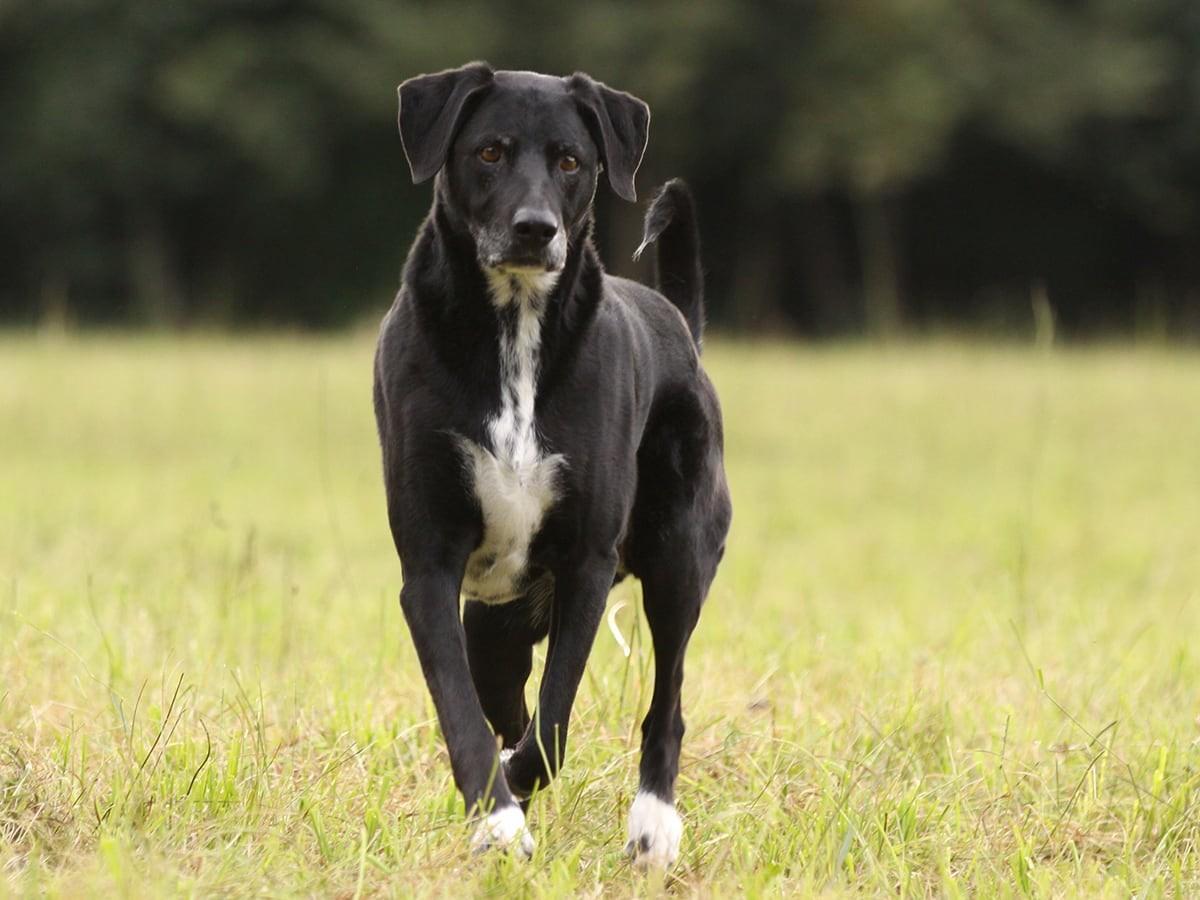
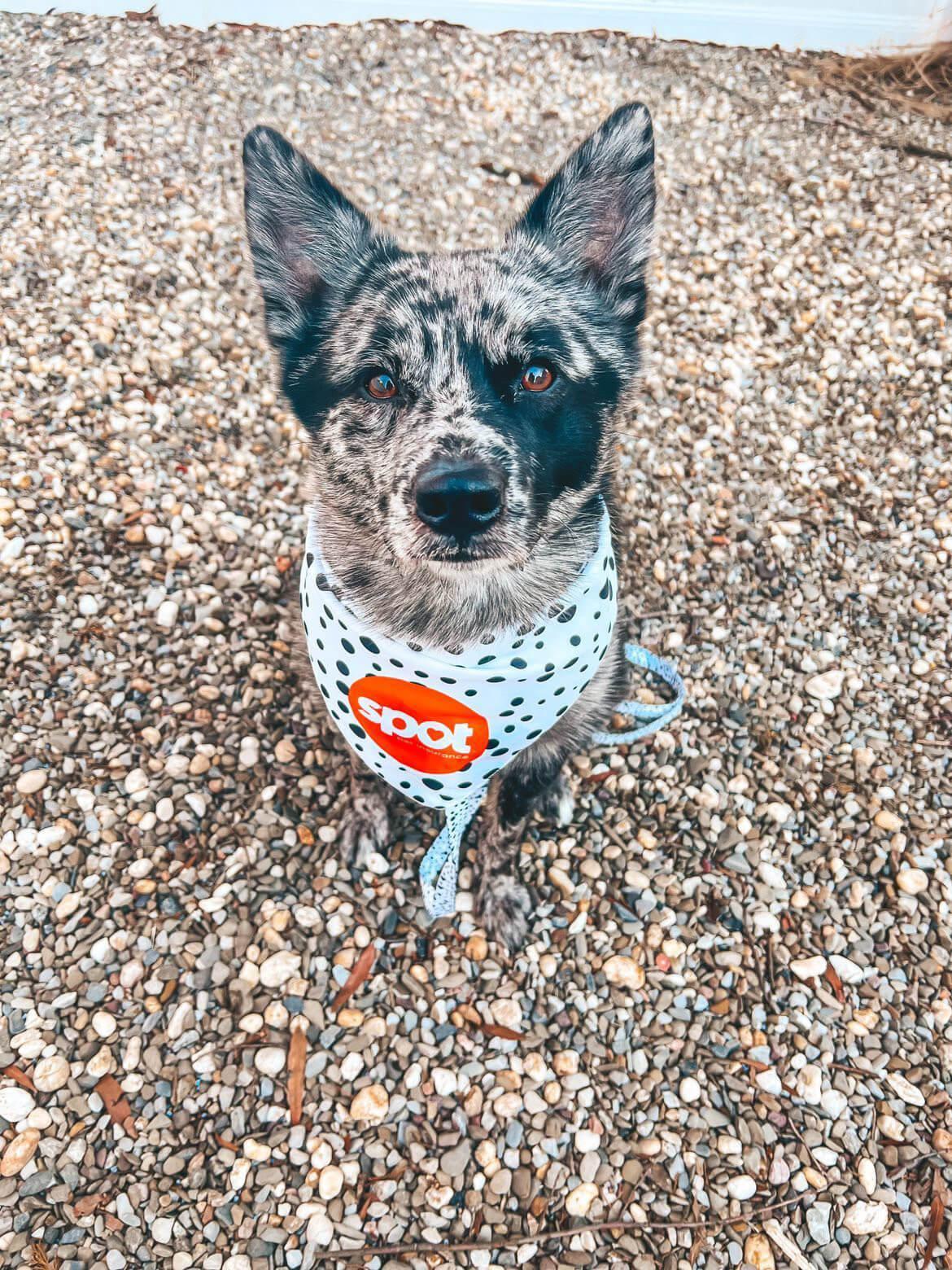
One tell-tail (pun intended) signal you can look for in a dog that is about to explode is in their tail. You’ll often see a dog’s tail stiffen, rise, and begin wagging. Their body will also stiffen, and you’ll notice that they posture forward while fixating on a specific object or person.
Here’s a visual example:
You’ll notice that the dog is in an alert-stance and the tail has risen vertically in the air.

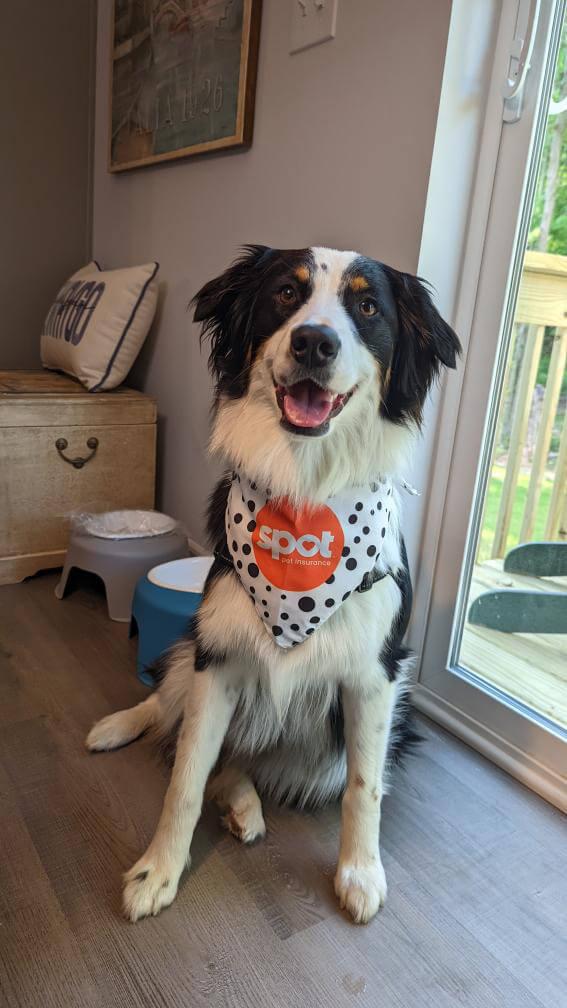
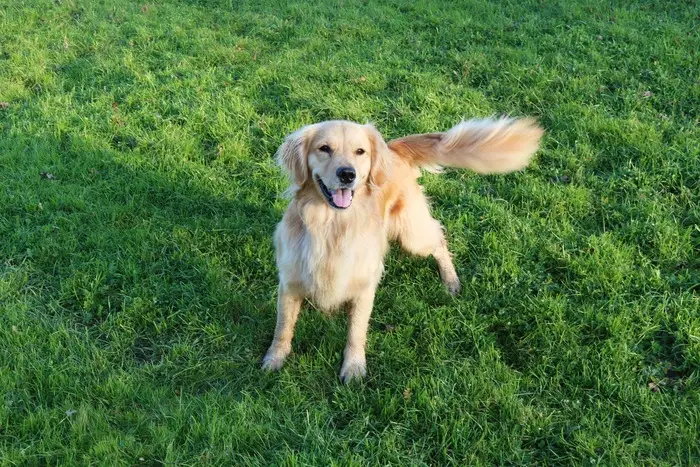
Versus a dog who is wagging their tail out of excitement (as shown below):
3. If this happens with your dog, here’s what to do next.
If you ever see this occurring with your own dog, your next best step is to redirect their attention back to you, and navigate them away from the situation.
If they feel stuck, they’re going to act out of the pressure of the moment; your job is to relieve that pressure.
You can cross the street, for example, or create distance between you and the trigger to help with this redirection process, or use the leash as guidance. As always, catching these signs early will lead to greater success in the moment.
In Closing
Understanding body language in dogs helps keep everyone safe in the process. Next time you’re out on a walk or in a situation where multiple dogs are present, take a moment to observe their body language, and you’ll begin to notice subtle differences, and shifts that help you determine how and when to step in, if needed.
If this resonated and you want help applying it with your dog, reach out anytime:
info@hopegablescanine.com 🐕✨
Nicolas Angione is the founder and head dog trainer at Hope Gables Canine, based in Fairfield County, CT. Inspired by his own dog's reactive journey and rehabilitation, he left his career behind to become a dog trainer. After years of shadowing other dog trainers in the industry, he started his own practice, which has successfully helped hundreds of dog owners, both domestic and abroad, regain peace and harmony with their dogs. Many of these success stories, dog training tips, and more can be found on their Instagram and YouTube pages.