If your dog is constantly scratching, shaking their head, or developing recurring ear or skin infections, allergies may be the cause. Allergy testing for dogs helps identify the specific triggers behind these symptoms — whether environmental allergens, certain foods, or both — so treatment can be targeted and effective. According to PetMD², there are three main types of allergy tests for dogs, and each is suited to different allergen types and clinical situations.
Types of Allergies in Dogs
Not all allergies look the same in dogs. Understanding the category helps guide which test is appropriate. According to VCA Animal Hospitals¹, allergies in dogs fall into four main types:
Atopic dermatitis (environmental) — Reactions to airborne or environmental allergens such as pollen, dust mites, mold, and grass. Often seasonal at first, then year-round as sensitivity increases.
Food allergies — Reactions to specific proteins in the diet; beef, chicken, dairy, eggs, wheat gluten, and soy are the most common culprits.
Flea allergy dermatitis — Hypersensitivity to proteins in flea saliva; the most common allergy in dogs.
Contact allergies — Reactions to materials that touch the skin directly, such as certain fabrics, cleaning products, or topical treatments. Least common.
Common allergy symptoms in dogs include persistent itching (especially of the paws, ears, and belly), recurring ear infections, red or inflamed skin, hair loss from scratching, and scooting.
Types of Dog Allergy Tests
Intradermal Allergy Testing (IDAT)
Intradermal testing is considered the gold standard for identifying environmental allergens in dogs. A board-certified veterinary dermatologist injects small amounts of individual allergens just under the skin — typically 40 to 60 allergens in a single session — then monitors each injection site for a wheal (raised bump) indicating a reaction. The test requires sedation because dogs must stay still for the procedure.
IDAT is the most accurate method for identifying environmental triggers and is typically the basis for formulating allergen-specific immunotherapy (allergy shots). It requires a referral to a veterinary dermatologist and is not typically offered at general practice clinics.²
Serum (Blood) Allergy Testing — RAST
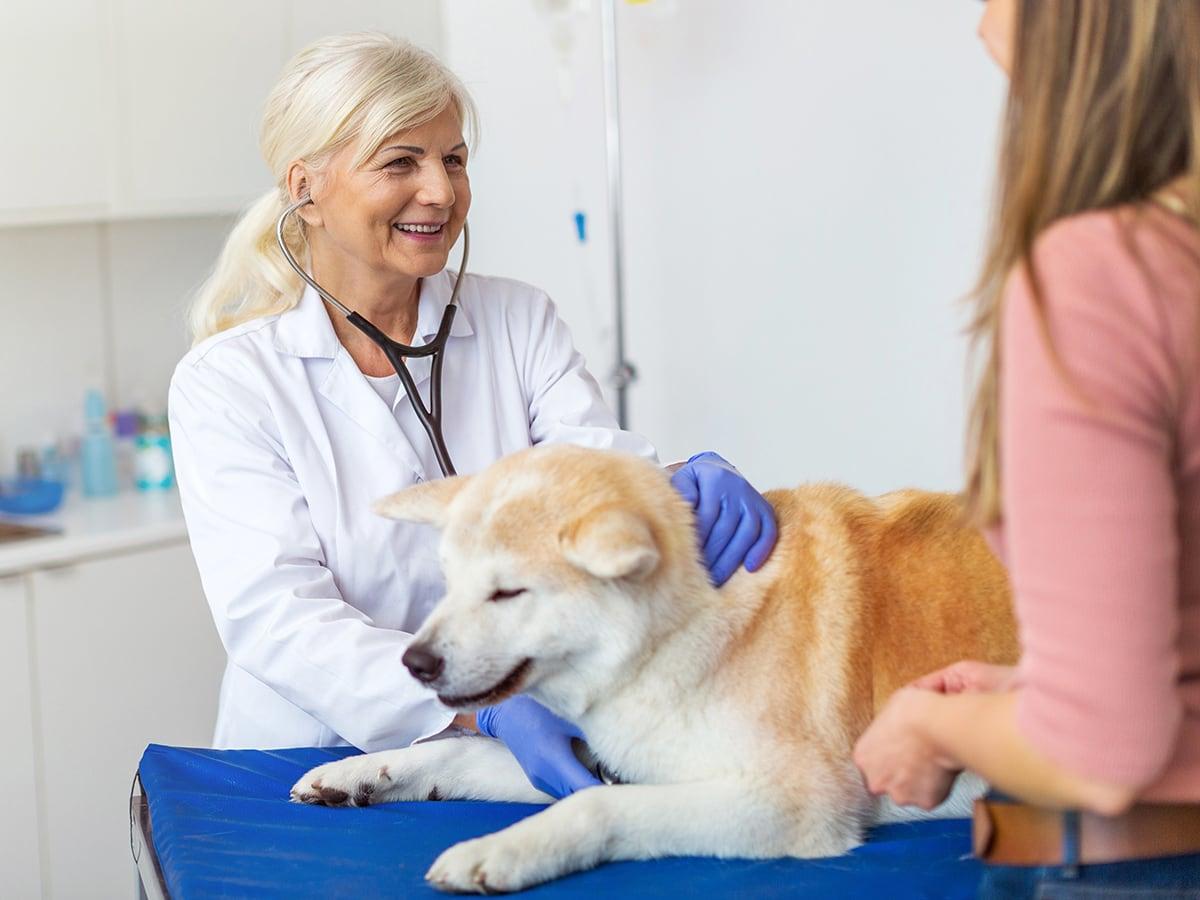
Serum allergy testing — commonly called RAST (radioallergosorbent test) — uses a blood sample to identify antibody responses to specific environmental allergens. Unlike intradermal testing, it requires only a routine blood draw, no sedation, and can be performed by most general practice veterinarians.
The results identify a range of environmental triggers including “weeds, trees, grasses, molds, and other allergens,” according to VCA Animal Hospitals¹. However, RAST has higher false-positive rates than IDAT — meaning some identified allergens may not actually be causing symptoms. Despite this limitation, VCA reports that most dogs treated with immunotherapy based on RAST results “still experience a significant improvement in their skin disease.”¹
Elimination Diet Trial (Food Allergies)
For suspected food allergies, neither blood nor skin testing is reliable. The gold standard is an elimination diet trial: the dog is fed a strict hypoallergenic diet for 8 to 12 weeks — typically a novel protein, hydrolyzed protein, or veterinary prescription diet — with no other foods, treats, supplements, or flavored preventatives during the trial period.²
If symptoms resolve during the trial and return when the original food is reintroduced, a food allergy is confirmed. The process takes time but provides definitive results that blood and saliva tests cannot match.
What Allergy Testing Can and Cannot Diagnose
Allergy testing identifies the specific triggers of an already-confirmed allergic response. It does not diagnose whether a dog has allergies — that determination is made through clinical evaluation, ruling out other causes (such as parasites, infections, or underlying skin conditions), and recognizing the pattern of symptoms.
Important limitations to be aware of:
RAST and at-home tests are not reliable for food allergies. Blood, saliva, and hair tests marketed for food allergy detection are not validated by veterinary organizations.²
Flea allergy dermatitis is diagnosed clinically, not through allergy testing — flea control and symptom response are the primary diagnostic tools.
Contact allergies are typically identified by removing potential triggers one at a time rather than formal testing.
How Much Does Dog Allergy Testing Cost?
The cost depends on which type of test is performed. According to PetMD², professional allergy testing typically runs $200–$500², not including the initial examination or any follow-up treatment. Intradermal testing, which requires a specialist and sedation, generally falls at the higher end of the range.
For food allergy trials, the main cost is the therapeutic diet itself, which runs approximately $50–$100 per month² for a prescription or hydrolyzed protein diet.
At-home allergy test kits are available at lower price points, but their accuracy for identifying clinically meaningful allergens is not supported by veterinary dermatology organizations.
For a broader look at what diagnostic veterinary visits typically cost, see how much does a vet checkup cost.
Does Pet Insurance Cover Dog Allergy Testing?
Pet insurance can help cover the cost of allergy testing when it’s part of a diagnostic workup for a covered condition. Most accident and illness plans include diagnostic testing — blood work, skin tests, and specialist consultations — when they’re ordered in connection with a covered illness. For a full breakdown of what’s typically covered, see what does pet insurance cover.
One important timing consideration: allergies diagnosed before a policy’s effective date are typically excluded as pre-existing conditions. Enrolling in pet insurance before allergy symptoms are documented — and before any diagnostic testing is performed — gives pet parents the broadest possible coverage. For more on how this works, see pre-existing conditions and pet insurance.
For a deeper look at environmental allergies and how they’re managed, see dog allergies: symptoms, causes, and treatment options.
Frequently Asked Questions
How do I know if my dog needs allergy testing?
Allergy testing is typically recommended after other causes have been ruled out — including flea infestations, skin infections, mange, and contact irritants. If your dog has recurring itching, chronic ear infections, or skin problems that respond partially to treatment but keep returning, a veterinary evaluation for allergies is the appropriate next step. Your vet will assess symptoms and recommend which type of testing, if any, is warranted.
What’s the difference between a serum test and an intradermal test?
A serum (blood) test requires only a blood draw at your regular vet and identifies environmental allergens based on antibody levels. An intradermal test is performed by a veterinary dermatologist, involves injecting individual allergens under sedation, and is more accurate — but also more involved and typically more expensive. Both are used to formulate allergen immunotherapy; the choice depends on your dog’s specific situation and your vet’s recommendation.
Can I test for my dog’s allergies at home?
At-home allergy tests marketed for dogs — including saliva, blood spot, and hair tests — are widely available but are not validated for clinical use by veterinary dermatologists. PetMD notes they tend to produce false positives and do not reliably predict which allergens are causing your dog’s symptoms.² For accurate results that can guide treatment, professional testing through a veterinarian or veterinary dermatologist is recommended.
Unexpected vet bills can happen when you least expect them, but pet insurance may help make those costs more manageable. Having coverage in place can help pet parents feel more prepared for emergency care, surgery, diagnostics, and treatment for covered conditions.
Spot Pet Insurance offers dog insurance plans starting at $15/month^ and cat insurance plans starting at $9/month^^, helping to make it easier to find coverage that fits your budget. Spot also makes filing claims simple with a digital claims process that lets pet parents submit a claim in 60 seconds or less. Get a free quote.
^ Advertised premium is based on an accident and illness plan with an 80% reimbursement rate, $500 annual deductible, and a $2,500 annual limit for a 2-year-old small mixed dog (11-25lbs) in 32009. Plan costs vary.
^^ Advertised premium is based on an accident and illness plan with an 80% reimbursement rate, $750 annual deductible, and a $2,500 annual limit for a 2-year-old mixed cat in 33801. Plan costs vary.

We’re pet parents first—and writers, marketers, and product developers by trade—combining lived experience with industry expertise in everything we create.
VCA Animal Hospitals. RAST Testing in Dogs. VCA Animal Hospitals.
PetMD. Dog Allergy Tests. PetMD, August 2025.