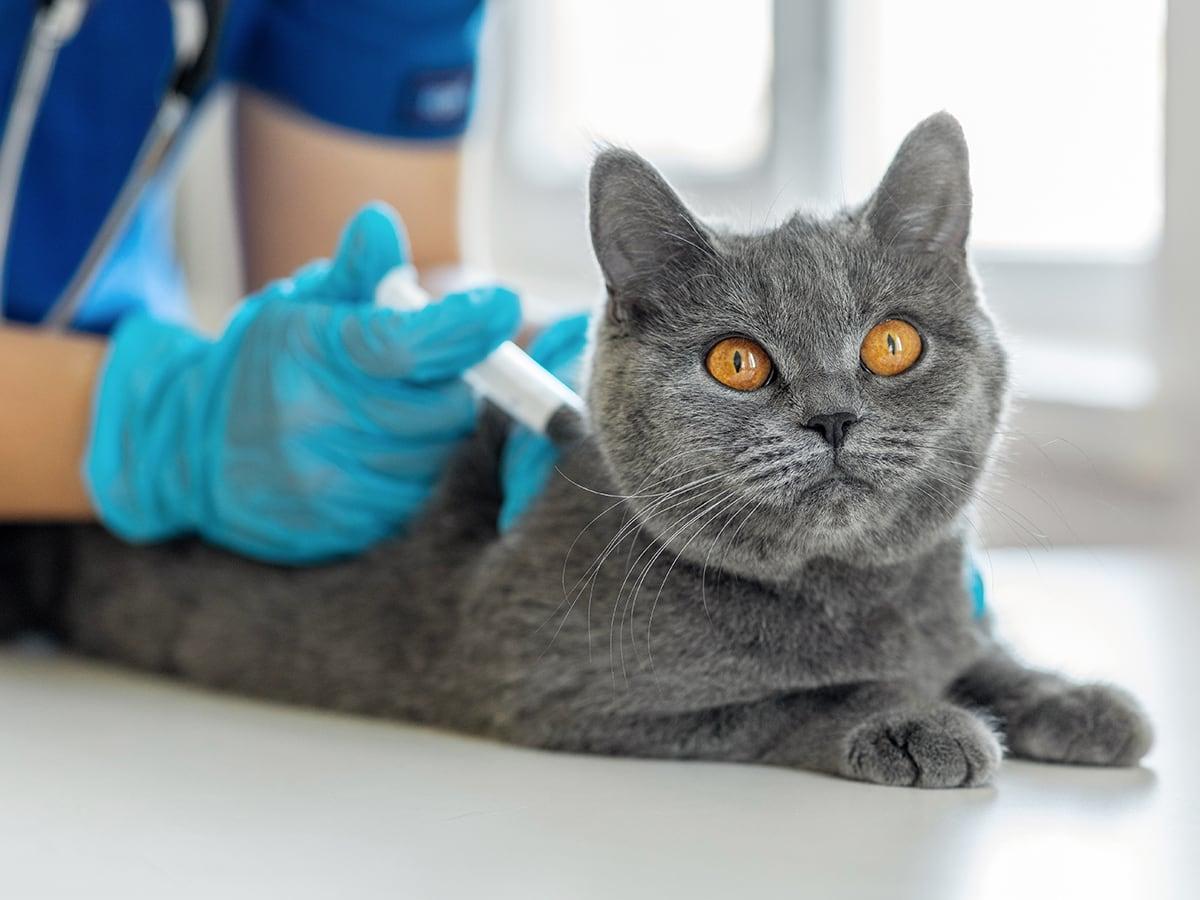
Bordetella is not a vaccine that every cat needs — and that is intentional. Unlike the FVRCP or rabies vaccine, which are core vaccines recommended for all cats, the Bordetella vaccine for cats is non-core: recommended based on specific lifestyle risks rather than universally. For cats in boarding facilities, multi-cat households, shelters, and catteries, it is a meaningful protective measure. For strictly indoor cats with no contact with other cats, it typically is not.
What Is Bordetella Bronchiseptica in Cats?
Bordetella bronchiseptica is a bacterial pathogen — the same bacterium responsible for a significant component of kennel cough in dogs. In cats, it causes upper respiratory infections. According to the Cornell Feline Health Center¹, Bordetella bronchiseptica is a highly prevalent bacterium and a common cause of upper respiratory infections in cats, producing sneezing, discharge from the eyes and nose, and sometimes a cough.
The bacterium spreads through direct contact with secretions from infected cats — and also from infected dogs, per Cornell¹. This cross-species transmission is relevant in households where dogs and cats share space, or in facilities that house both species.
While most healthy adult cats recover from Bordetella infection without major complications, young kittens are more vulnerable to severe respiratory illness. The disease can cause significant problems in densely housed populations — shelters, catteries, and breeding facilities — where Bordetella spreads rapidly from cat to cat.
Which Cats Need the Bordetella Vaccine?
The Cornell Feline Health Center¹ describes the Bordetella vaccine as "a tool to help control the spread of infection" in densely housed situations. This positioning guides the recommendation: the vaccine is appropriate for cats in environments where Bordetella can spread quickly, not for cats with no meaningful exposure risk.
Cats that benefit most from Bordetella vaccination:
Cats that board regularly at boarding facilities
Cats that attend cat shows or competitions
Cats in multi-cat households, especially those where new cats are introduced
Cats in shelter environments
Cats in breeding catteries
Cats that typically do not need the vaccine:
Strictly indoor cats who live alone or only with cats of known health status
Cats with no contact with other cats outside the household
One practical consideration: many cat boarding facilities and grooming salons now require Bordetella vaccination as a condition of admission, similar to how dog boarding facilities commonly require kennel cough vaccination for dogs. If your cat boards regularly or seasonally, checking your facility's requirements before the appointment avoids last-minute vaccination scrambles. Learn more about why vaccination timing matters for cats and dogs.
What Is the Bordetella Vaccine Schedule for Cats?
According to Chewy's cat vaccination guide², the Bordetella vaccine is first given at 8–9 weeks of age for kittens, as a single intranasal dose. For adult cats being vaccinated for the first time, the vaccine can be given at any age. Annual boosters are recommended every 6–12 months for cats that remain in high-exposure situations.
A few scheduling notes:
The vaccine should not be given for the first time immediately before a boarding check-in. A few days to a week of lead time allows any mild post-vaccination reactions to pass and for initial immune response to begin.
If your cat's records are incomplete or vaccination history is unclear, your veterinarian can advise on whether to start a fresh dose or treat as overdue.
Cats who board only occasionally may need an updated booster before each stay if more than 12 months have passed since the last dose.
How Is the Bordetella Vaccine Administered?
The cat Bordetella vaccine is typically given intranasally — a liquid solution administered into the nostrils rather than as an injection, per Chewy². Intranasal delivery stimulates local immunity directly at the mucosal surface where infection begins, producing faster-acting protection than injectable vaccines and avoiding injection-site reactions.
Some cats experience brief sneezing or mild resistance during intranasal administration — this is normal and resolves within moments of the dose being given. Learn more about what a routine vet checkup involves so you know what to expect at the appointment.
What Are the Side Effects of the Bordetella Vaccine in Cats?
The Bordetella vaccine is generally well-tolerated. Expected mild reactions include:
Brief sneezing or mild nasal discharge for one to two days following intranasal administration — a normal response to the intranasal delivery
Temporary lethargy or reduced appetite for 24–48 hours
Mild irritation or pawing at the nose shortly after administration
These reactions reflect normal immune activation and resolve within a day or two. Serious allergic reactions — hives, facial swelling, vomiting, difficulty breathing, or collapse — are rare and require immediate veterinary attention.
How Much Does the Cat Bordetella Vaccine Cost?
The Bordetella vaccine for cats is one of the more affordable vaccines on the feline schedule. According to Jurupa Hills Animal Hospital's 2026 cat vaccination cost guide³, Bordetella vaccination for cats costs $10–$30³ per dose. A standard clinic or hospital exam fee is charged separately.
Since the cat Bordetella vaccine is typically a single intranasal dose (rather than a two-dose series), the per-visit cost is lower than vaccines requiring an initial series. For cats who board annually, building one annual Bordetella booster into the routine wellness visit is an efficient way to keep the vaccination current without an extra appointment.
Does Pet Insurance Help With Bordetella Vaccination Costs?
Standard accident and illness pet insurance plans do not cover routine vaccinations, including Bordetella. However, optional preventive care add-ons can help reimburse a portion of non-core vaccine costs for cats in high-risk situations where annual vaccination is recommended. Learn more about how preventive care add-ons work for cats and dogs.
Frequently Asked Questions
Do indoor cats need the Bordetella vaccine?
Indoor cats with no contact with other cats or dogs generally do not need the Bordetella vaccine. The vaccine is most valuable when a cat has realistic exposure risk — boarding, multi-cat households, shelter settings, or cat shows. If your indoor cat is soon going to board for the first time or you are adding a new cat to the household, discuss the vaccine with your veterinarian before that change occurs.
Is the Bordetella vaccine required for cat boarding?
It depends on the facility. Many cat boarding facilities and boarding-capable grooming salons now require Bordetella vaccination as a condition of admission — a policy that has become more common as awareness of feline respiratory outbreaks has grown. Check your specific facility's requirements well in advance; a vaccine given the day before check-in does not provide meaningful immunity.
How long does the Bordetella vaccine protect cats?
Annual boosters are recommended for cats that remain in high-risk situations. The vaccine provides approximately 12 months of protection, which is why once-yearly revaccination is the standard recommendation for cats that board, attend shows, or live in multi-cat environments. Cats that were vaccinated more than 12 months ago should receive a booster before returning to a high-exposure situation.
Can my cat get Bordetella from my dog?
Yes. Bordetella bronchiseptica can spread between cats and dogs, as both species can carry and transmit the bacterium. In households with both dogs and cats, or in facilities that house both, Bordetella exposure risk increases. If your dog is due for a kennel cough booster and your cat has any boarding or multi-pet exposure, discussing feline Bordetella vaccination at the same appointment is practical.
Choosing pet insurance is about more than preparing for emergencies — it's also about finding coverage that fits your pet's needs and your budget. The right plan can help support both everyday peace of mind and long-term financial flexibility.
With Spot Pet Insurance, pet parents can customize their coverage with reimbursement options from 70% to 90%, annual limits up to unlimited, and deductible choices that work for their lifestyle. Spot also offers optional preventive care add-ons that can help with the eligible costs of routine services like annual exams, dental cleanings, and certain vaccines. Learn more about what pet insurance covers or get a free quote.

We’re pet parents first—and writers, marketers, and product developers by trade—combining lived experience with industry expertise in everything we create.
Cornell Feline Health Center. "Feline Vaccines: Benefits and Risks." Cornell University College of Veterinary Medicine. https://www.vet.cornell.edu/departments-centers-and-institutes/cornell-feline-health-center/health-information/feline-health-topics/feline-vaccines-benefits-and-risks
Chewy. "Cat Vaccinations: A Complete Guide to Cat Vaccines." Chewy Pet Education. https://www.chewy.com/education/cat/health-and-wellness/cat-vaccinations
Jurupa Hills Animal Hospital. "How Much Do Cat Vaccinations Cost? 2026 Guide." Jurupa Hills Animal Hospital. https://jurupahillsanimalhospital.com/pet-vaccination/how-much-do-cat-vaccinations-cost/