Bordetella bronchiseptica is one of the most common causes of kennel cough — a highly contagious respiratory infection that spreads quickly in any setting where dogs gather. The Bordetella vaccine is a non-core vaccine, meaning it's recommended based on a dog's lifestyle rather than universally required. But for dogs that spend time at boarding kennels, dog daycares, grooming facilities, or dog parks, it's often required by those facilities and strongly recommended by vets. Here's what pet parents need to know.
What Is Kennel Cough?
Kennel cough — technically called canine infectious tracheobronchitis — is a respiratory infection that causes a characteristic honking cough in dogs. It spreads through airborne droplets, direct contact, or contaminated surfaces, making shared spaces like boarding facilities, training classes, and dog parks common transmission points.
Bordetella bronchiseptica is one of the main bacterial culprits, but kennel cough can also be caused or complicated by viruses like canine parainfluenza and canine adenovirus type 2. Healthy adult dogs typically recover on their own within 1–3 weeks. Puppies, senior dogs, and those with compromised immune systems face a higher risk of complications, including pneumonia.
What Are the Types of Bordetella Vaccine for Dogs?
The Bordetella vaccine comes in three formulations, each with different administration methods and onset timelines, according to the AKC¹:
Intranasal (nasal spray): Administered as drops in the nostrils. Builds immunity within 3–5 days and can be given to puppies as young as 3–4 weeks in high-risk situations. A single dose is typically sufficient, with annual boosters thereafter.
Oral (intraoral): Squirted into the buccal pouch (inside the cheek). Similar speed of protection to the intranasal form. Easier for some dogs who object to nasal administration.
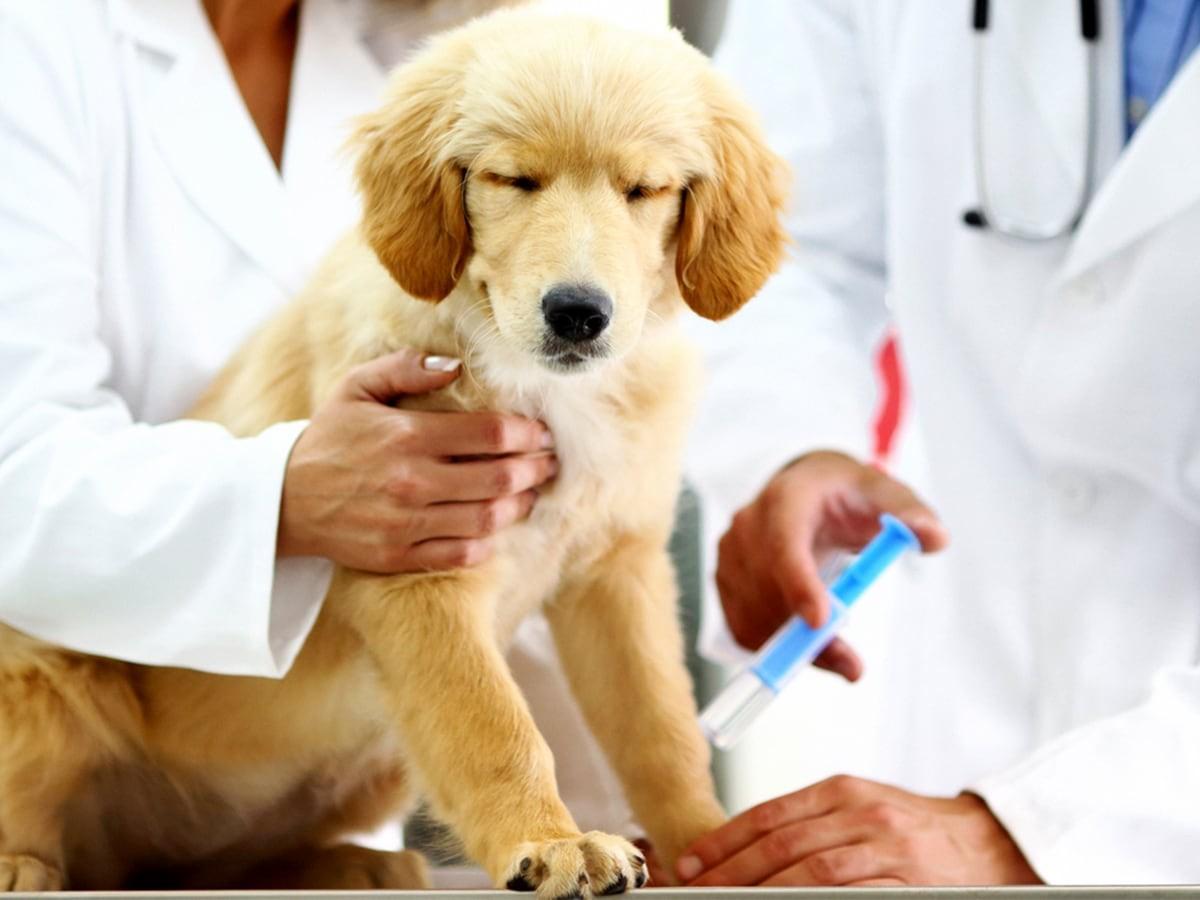
Injectable (subcutaneous): Given under the skin, usually starting at 6–8 weeks of age, with a second dose 2–4 weeks later. Takes longer to build full immunity than the intranasal or oral forms and typically requires an initial two-dose series.
According to veterinarians cited by the AKC¹, the intranasal and oral formulations are generally more effective at building faster immunity than the injectable version. Your veterinarian can recommend the best option for your dog's age, temperament, and upcoming social plans.
Does Your Dog Need the Bordetella Vaccine?
The Bordetella vaccine is classified as noncore by AAHA, which means it's recommended based on individual risk rather than for all dogs. Whether your dog needs it depends primarily on their lifestyle.
Dogs who regularly interact with other dogs are strong candidates. This includes dogs that visit boarding facilities, dog daycares, dog parks, training classes, dog shows, or grooming salons. Most of these facilities require proof of current Bordetella vaccination before entry — and many require a booster within the previous six months rather than just the previous year.
Dogs who stay mostly at home with limited contact with other dogs may not need the vaccine, but it's worth discussing with your veterinarian. Even an occasional boarding stay, travel, or dog park visit can create enough exposure to warrant vaccination. Talk to your vet about what's appropriate for your dog's life, and review the broader context for keeping dogs vaccinated.
What Is the Bordetella Vaccine Schedule for Dogs?
Schedule depends on the formulation. The intranasal and oral vaccines typically require a single initial dose; the injectable vaccine requires two doses given 2–4 weeks apart. After the initial series, boosters are recommended:
Annual boosters for most dogs with moderate social exposure
Every six months for dogs with frequent, ongoing group exposure (boarding regularly, attending daycare multiple times per week)
The intranasal vaccine can be given to puppies as young as 3–4 weeks when exposure risk is high, or starting around 6–8 weeks under standard conditions. Puppies should have their first Bordetella vaccine well before their first boarding stay or socialization class.
If your dog is overdue on a Bordetella booster and received an intranasal or oral vaccine, a single catch-up dose is generally sufficient regardless of how long it's been. Check with your vet if your dog is significantly overdue.
What Are the Side Effects of the Bordetella Vaccine?
Bordetella vaccines are among the better-tolerated vaccines in veterinary medicine. A 2023 study published in the Journal of the American Veterinary Medical Association — examining adverse events across more than 4.6 million vaccinated dogs — found that reactions were reported in fewer than 0.2% of vaccination visits.²
Common mild reactions include:
Intranasal/oral: Brief coughing, sneezing, or mild nasal discharge for 1–2 days after vaccination
Injectable: Soreness at the injection site, mild lethargy, low-grade fever, or reduced appetite for 24–48 hours
Rare but more serious reactions — such as facial swelling, difficulty breathing, or persistent vomiting — require immediate veterinary attention. These are uncommon with the Bordetella vaccine but possible with any vaccination.
How Much Does the Bordetella Vaccine Cost?
The Bordetella vaccine is among the more affordable canine vaccines. Prices vary by clinic, location, and whether the vaccine is bundled with a wellness exam. Many humane societies and mobile veterinary clinics offer reduced-rate vaccination events where the Bordetella vaccine is available at lower cost. For a general sense of what routine vet visits and vaccines can run, see how much does a vet checkup cost.
If your dog needs the vaccine for an upcoming boarding stay, plan at least 3–5 days ahead to allow immunity to develop (longer for the injectable version).
Does Pet Insurance Cover the Bordetella Vaccine?
Standard accident and illness pet insurance plans generally don't cover routine vaccines. However, optional preventive care add-ons can help reimburse the cost of vaccines like Bordetella as part of a broader wellness package. Learn more about how preventive care coverage can help with routine vet costs.
If your dog contracts kennel cough despite vaccination — which is possible, since the vaccine doesn't protect against every cause — an accident and illness plan may help cover diagnosis and treatment costs.
Frequently Asked Questions
Is the Bordetella vaccine the same as the kennel cough vaccine?
Yes. The terms are used interchangeably. "Kennel cough" is the common name for canine infectious tracheobronchitis, and Bordetella bronchiseptica is one of its primary bacterial causes. Because "kennel cough vaccine" is the phrase most pet parents recognize, you'll often see both names used in veterinary settings and on facility intake forms.
How soon does the Bordetella vaccine take effect?
The intranasal and oral formulations build immunity within approximately 3–5 days of a single dose. The injectable version takes longer — up to two weeks after the second dose. If your dog has an upcoming boarding stay, plan accordingly. Give the intranasal or oral vaccine at least 3–5 days before drop-off; schedule the injectable series several weeks in advance.
Can my dog still get kennel cough after vaccination?
Yes, but it's uncommon. The vaccine is effective at reducing the risk and severity of disease from Bordetella bronchiseptica specifically, but kennel cough can be caused by other pathogens not covered by the Bordetella vaccine. Vaccinated dogs who do contract kennel cough typically experience milder symptoms and recover faster.
Why do some facilities require Bordetella every six months?
High-exposure environments like busy boarding kennels, dog daycares, and grooming salons see a constant rotation of dogs, which increases the chance of pathogen exposure. A six-month booster schedule helps maintain a stronger level of immunity in dogs who are frequently in those environments. Annual boosters are sufficient for dogs with lower social exposure.
Is the intranasal Bordetella vaccine better than the injectable?
For most dogs, intranasal and oral formulations have the advantage of faster immunity onset (3–5 days vs. several weeks for injectable) and typically require only a single initial dose. Some dogs find nasal administration uncomfortable, in which case the oral form is a practical alternative. Discuss the options with your veterinarian based on your dog's temperament and how quickly they need protection.
Choosing pet insurance is about more than preparing for emergencies — it's also about finding coverage that fits your pet's needs and your budget. The right plan can help support both everyday peace of mind and long-term financial flexibility.
With Spot Pet Insurance, pet parents can customize their coverage with reimbursement options from 70% to 90%, annual limits up to unlimited, and deductible choices that work for their lifestyle. Spot also offers optional preventive care add-ons that can help with the eligible costs of routine services like annual exams, dental cleanings, and certain vaccines. Learn more about what pet insurance covers.

We’re pet parents first—and writers, marketers, and product developers by trade—combining lived experience with industry expertise in everything we create.
American Kennel Club. "Bordetella Vaccine: What to Know About the Vaccine for Dogs." AKC. https://www.akc.org/expert-advice/health/bordetella-vaccine-dogs/
Moore GE, Morrison J, Saito EK, Spofford N, Yang M. "Breed, smaller weight, and multiple injections are associated with increased adverse event reports within three days following canine vaccine administration." Journal of the American Veterinary Medical Association. 2023;261(11):1550–1559. https://pubmed.ncbi.nlm.nih.gov/37451674/