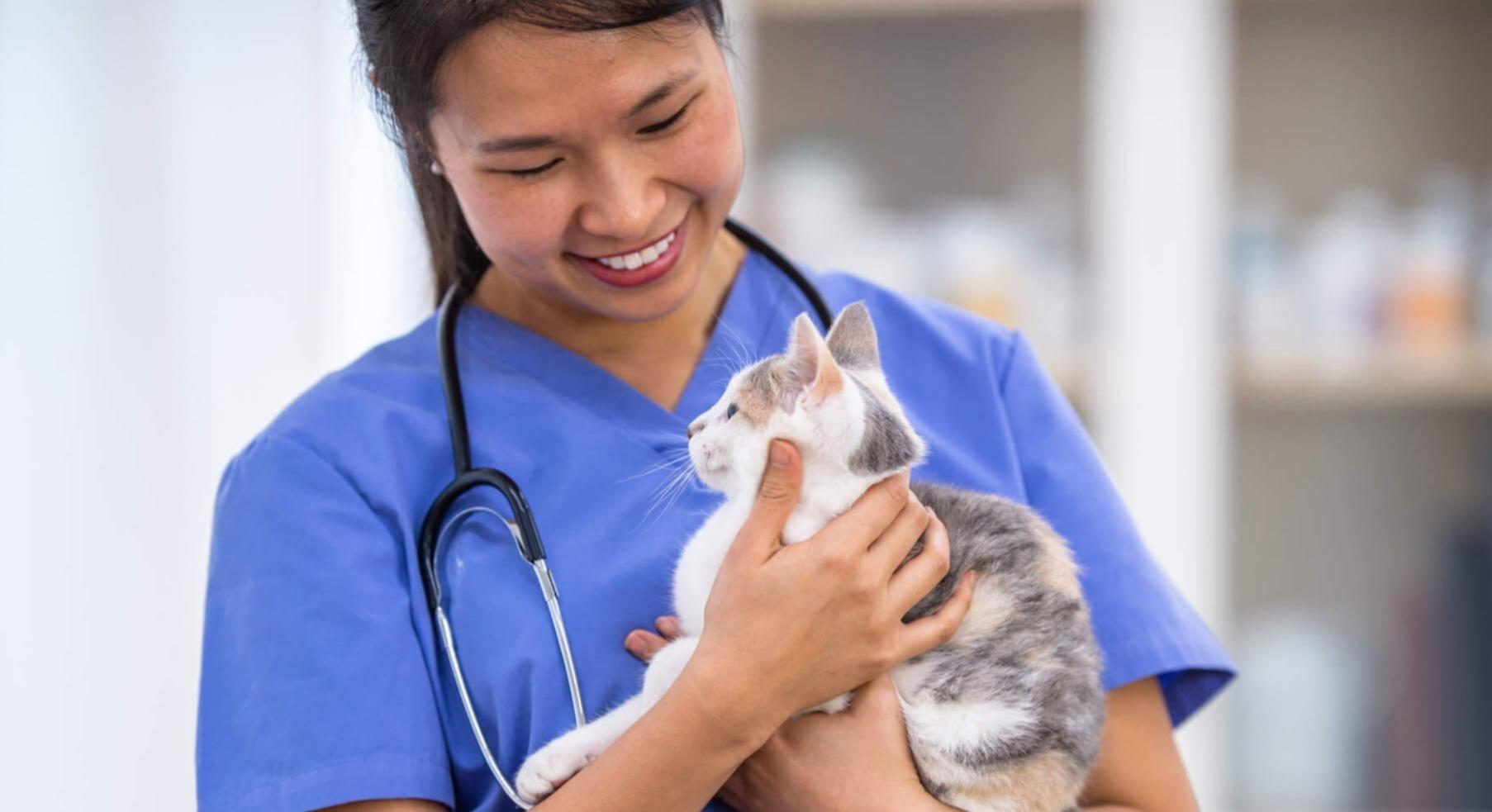
Feline leukemia virus (FeLV) is the leading infectious cause of cancer in cats. It damages the immune system progressively, leaving cats vulnerable to serious secondary infections and cancers that are difficult to treat. The feline leukemia vaccine is classified as a core vaccine for all kittens — and remains a key part of preventive care for adult cats with outdoor access or exposure to other cats. Here is what pet parents need to know to make an informed vaccination decision.
What Is Feline Leukemia Virus?
Feline leukemia virus is a retrovirus that attacks the immune system and bone marrow of infected cats. According to PetMD¹, FeLV causes mutations that lead to lymphoma and lymphosarcoma — cancers that are among the most common serious illnesses in cats. Immune compromise from FeLV also leaves affected cats vulnerable to secondary infections affecting the skin, eyes, respiratory tract, and urinary system.
The virus spreads primarily through saliva — transmitted via mutual grooming, shared food and water bowls, litter boxes, and bite wounds. It can also pass from an infected mother to her kittens. Importantly, PetMD¹ notes that FeLV does not infect humans or dogs — it is species-specific to cats.
FeLV cannot survive long outside a host. The virus is killed by most household disinfectants and survives on surfaces for only a couple of hours, meaning environmental contamination is typically not a significant risk. Direct cat-to-cat contact is the primary exposure pathway.
Which Cats Need the Feline Leukemia Vaccine?
The feline leukemia vaccine has a nuanced classification that is worth understanding. According to PetMD², the vaccine is core for all kittens — veterinary organizations recommend that every kitten receive the initial series regardless of lifestyle. The reasoning is that young cats are more susceptible to FeLV, and lifestyle can change unpredictably.
For adult cats, FeLV vaccination is non-core: recommended based on exposure risk rather than universally. The key question is whether the cat has contact with cats of unknown FeLV status.
Who should continue vaccination as an adult:
Cats with any outdoor access, even occasional
Indoor-outdoor cats
Cats living with other cats whose FeLV status is unknown or positive
Cats in multi-cat households where new cats are introduced
Who may stop after the initial series:
Strictly indoor cats who live only with FeLV-negative cats and have no outdoor exposure
Per PetMD¹, low-risk indoor-only cats may discontinue the vaccine after completing their initial series
Your veterinarian can assess your individual cat's current and anticipated risk level. Circumstances change — a cat that is currently indoors may gain outdoor access in the future, which would change the vaccination recommendation. Learn more about why vaccination timing and consistency matter.
What Is the Feline Leukemia Vaccine Schedule?
The vaccination schedule follows a kitten series and adult booster pattern, per PetMD²:
Kittens: The initial series consists of two doses starting at 8 weeks of age, given 3–4 weeks apart. A booster is then given one year after the final kitten dose.
Adult high-risk cats: Annual vaccination is recommended for cats with ongoing outdoor access or exposure to cats of unknown FeLV status.
Adult lower-risk cats: Every two years for cats with limited exposure, depending on the vaccine formulation used and veterinarian recommendation.
One important difference from many other cat vaccines: FeLV testing before the initial series is often recommended, particularly for older cats, recently adopted cats, or cats with unknown vaccination history. Testing confirms whether a cat is already infected — vaccinating a positive cat provides no benefit and is generally not recommended.
What Are the Side Effects of the Feline Leukemia Vaccine?
The feline leukemia vaccine is generally well-tolerated. Most cats experience only mild, short-lived reactions:
Lethargy or low energy for 24–48 hours
Soreness or swelling at the injection site
Mild fever or reduced appetite
Serious allergic reactions — vomiting, facial swelling, difficulty breathing, or collapse — are rare and require immediate veterinary attention.
Pet parents should also know that all injectable vaccines in cats carry a very low risk of feline injection-site sarcoma (FISS) — a rare but serious tumor that can develop at injection sites. Veterinarians typically rotate injection sites or use specific lower-leg locations for vaccines in cats to allow for early detection if a growth appears. If you notice a lump at your cat's injection site that persists beyond a few weeks, grows, or exceeds the size of a small marble, contact your veterinarian.
How Much Does the Feline Leukemia Vaccine Cost?
Vaccine pricing varies by location and clinic type. PetMD² reports that cat vaccinations generally range from $15 to $40² per dose. At low-cost vaccine clinics and nonprofit animal welfare events, costs typically run at the lower end of that range; full-service hospitals may be higher, particularly when an exam fee is added.
For cats starting the vaccine for the first time, budget for two doses within the initial month, plus the one-year booster. Cats who require pre-vaccination FeLV/FIV testing will incur that additional cost as well — testing is typically done once, at the start of the vaccination series.
For adult cats who continue annual vaccination, the ongoing cost is a single annual dose.
Can Pet Insurance Help With FeLV-Related Costs?
The feline leukemia vaccine itself is not covered by standard accident and illness pet insurance — it is a preventive service. However, optional preventive care add-ons can help reimburse routine vaccine costs. Learn more about how preventive care add-ons work.
If a cat develops FeLV-related illness — including lymphoma or other cancers — after the policy is in place and before any diagnosis was made, accident and illness coverage may help with eligible treatment costs. FeLV-associated cancers require intensive veterinary management, and treatment costs can be substantial. Learn more about whether pet insurance covers cancer treatment for cats and dogs.
Frequently Asked Questions
Does my indoor cat need the feline leukemia vaccine?
All kittens should complete the initial FeLV series regardless of lifestyle. For adult indoor cats who live exclusively with FeLV-negative cats and have no outdoor exposure, vaccination can often be discontinued after the initial series — but your veterinarian should make that determination based on your cat's specific situation. Lifestyle can change, and the vaccine decision should be revisited any time it does.
How does FeLV spread between cats?
FeLV spreads primarily through saliva — via mutual grooming, shared food bowls, water bowls, and litter boxes. Bite wounds and mother-to-kitten transmission are also documented routes. The virus does not survive long outside the body and is destroyed by standard household disinfectants. Close, prolonged contact between cats is the primary risk factor.
What happens if a cat tests positive for FeLV before vaccination?
A cat that tests FeLV-positive prior to vaccination is already infected — the vaccine cannot clear an existing infection. FeLV-positive cats need dedicated veterinary management focused on maintaining quality of life, monitoring for secondary infections, and watching for early signs of FeLV-associated cancers. Consult your veterinarian promptly after a positive test.
Can a vaccinated cat still get FeLV?
No vaccine provides 100% protection, and the FeLV vaccine is no exception. Efficacy can vary depending on the level of viral exposure and individual immune response. The vaccine significantly reduces the risk of infection and the severity of disease in exposed cats, but vaccinated cats with ongoing high-level exposure — living with FeLV-positive cats, for example — should continue annual boosters and regular veterinary monitoring.
Choosing pet insurance is about more than preparing for emergencies — it's also about finding coverage that fits your pet's needs and your budget. The right pet insurance plan can help support both everyday peace of mind and long-term financial flexibility.
With Spot Pet Insurance, pet parents can customize their coverage with reimbursement options from 70% to 90%, annual limits up to unlimited, and deductible choices that work for their lifestyle. Spot also offers optional preventive care add-ons that can help with the eligible costs of routine services like annual exams, dental cleanings, and certain vaccines. Learn more about what pet insurance covers.

We’re pet parents first—and writers, marketers, and product developers by trade—combining lived experience with industry expertise in everything we create.
PetMD Editorial. "Feline Leukemia Virus (FeLV)." PetMD. https://www.petmd.com/cat/conditions/infectious-parasitic/feline-leukemia-virus-felv
PetMD Editorial. "Cat Vaccinations: What Vaccines Do Cats Need?" PetMD. https://www.petmd.com/cat/general-health/cat-vaccinations-what-vaccines-do-cats-need