Laryngeal paralysis is a progressive condition in which the muscles controlling the larynx (voice box) fail to open the airway properly during breathing. In affected dogs, the cartilage flaps that should open during inhalation instead remain collapsed, partially obstructing airflow. The result is noisy, labored breathing — and in severe cases, a life-threatening respiratory crisis.
What Is Laryngeal Paralysis?
The larynx sits at the top of the trachea and controls airflow during breathing while preventing food and water from entering the lungs during swallowing. In a healthy dog, paired cartilage structures within the larynx — the arytenoid cartilages — open wide during inhalation and close during swallowing.
In laryngeal paralysis, the recurrent laryngeal nerve — which controls these cartilages — degenerates or is damaged. Without normal nerve signaling, the cartilages fail to open during inhalation, partially obstructing the airway. According to Cornell University College of Veterinary Medicine¹, the condition ranges from mild exercise intolerance to life-threatening airway obstruction, depending on the degree of cartilage dysfunction.
GOLPP: The Broader Disease Behind Most Cases
Most cases of laryngeal paralysis in older dogs are not isolated to the larynx. Current veterinary evidence indicates that the condition is frequently the earliest visible sign of a progressive neuromuscular disease called Geriatric Onset Laryngeal Paralysis and Polyneuropathy (GOLPP).
GOLPP affects multiple nerve and muscle groups beyond the larynx. The esophagus is commonly involved early, causing difficulty swallowing and increasing the risk of food or liquid being inhaled into the lungs. As the disease progresses, dogs may develop generalized hindlimb weakness and reduced overall muscle tone. Laryngeal signs typically appear first and may precede widespread neurological symptoms by months or years.
Understanding that laryngeal paralysis may be part of a broader, ongoing disease process is important for long-term planning and realistic prognosis.
Signs and Symptoms
Symptoms develop gradually and tend to worsen over time — and can worsen rapidly in hot, humid, or stressful conditions.
Noisy breathing: A high-pitched, raspy, or roaring sound during inhalation (inspiratory stridor) is often the first sign noticed by owners
Exercise intolerance: Dogs tire quickly and may cough, gag, or struggle to breathe after minimal exertion
Voice changes: The bark may become hoarse, raspy, or lower in volume than usual
Coughing or gagging at the food bowl: Esophageal involvement or the risk of aspiration can cause episodes of gagging or apparent choking during eating or drinking
Heavy panting and distress: Warm or humid weather significantly worsens airflow restriction; affected dogs may pant heavily and show visible respiratory distress
Dogs with moderate to severe laryngeal paralysis can deteriorate quickly during a warm day, a stressful car ride, or a period of excitement.
Which Dogs Are Most Affected?
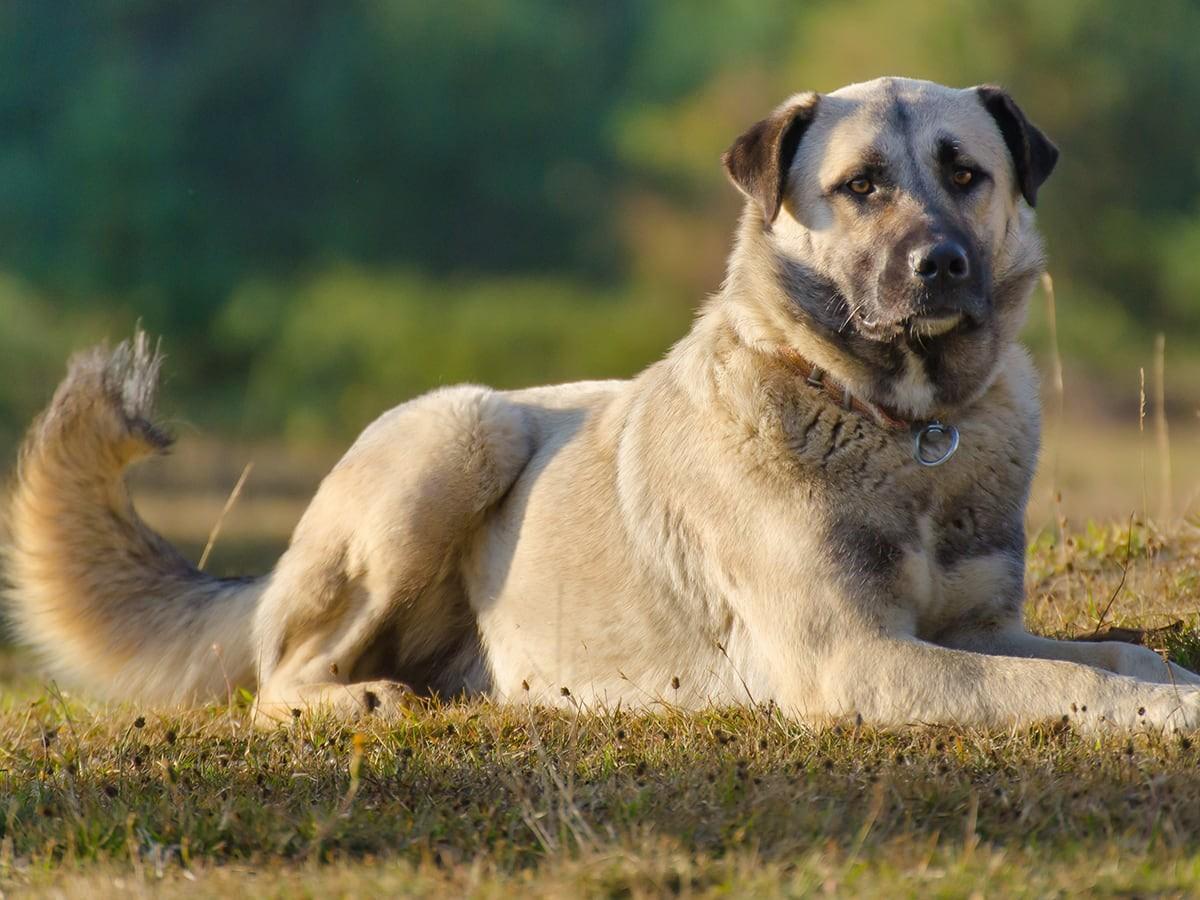
Laryngeal paralysis primarily affects older, large-breed dogs. According to VCA Animal Hospitals², the condition most commonly develops between 8 and 13 years of age, with an average onset around 11 years. Labrador Retrievers are the most commonly diagnosed breed, but Golden Retrievers, Newfoundlands, Greyhounds, Borzois, and German Shepherd Dogs are also frequently affected.
A separate hereditary form of laryngeal paralysis exists in Bouvier des Flandres, Dalmatians, and Siberian Huskies. This congenital form typically presents in young dogs rather than geriatric animals and is considered a distinct condition from GOLPP.
Diagnosing Laryngeal Paralysis
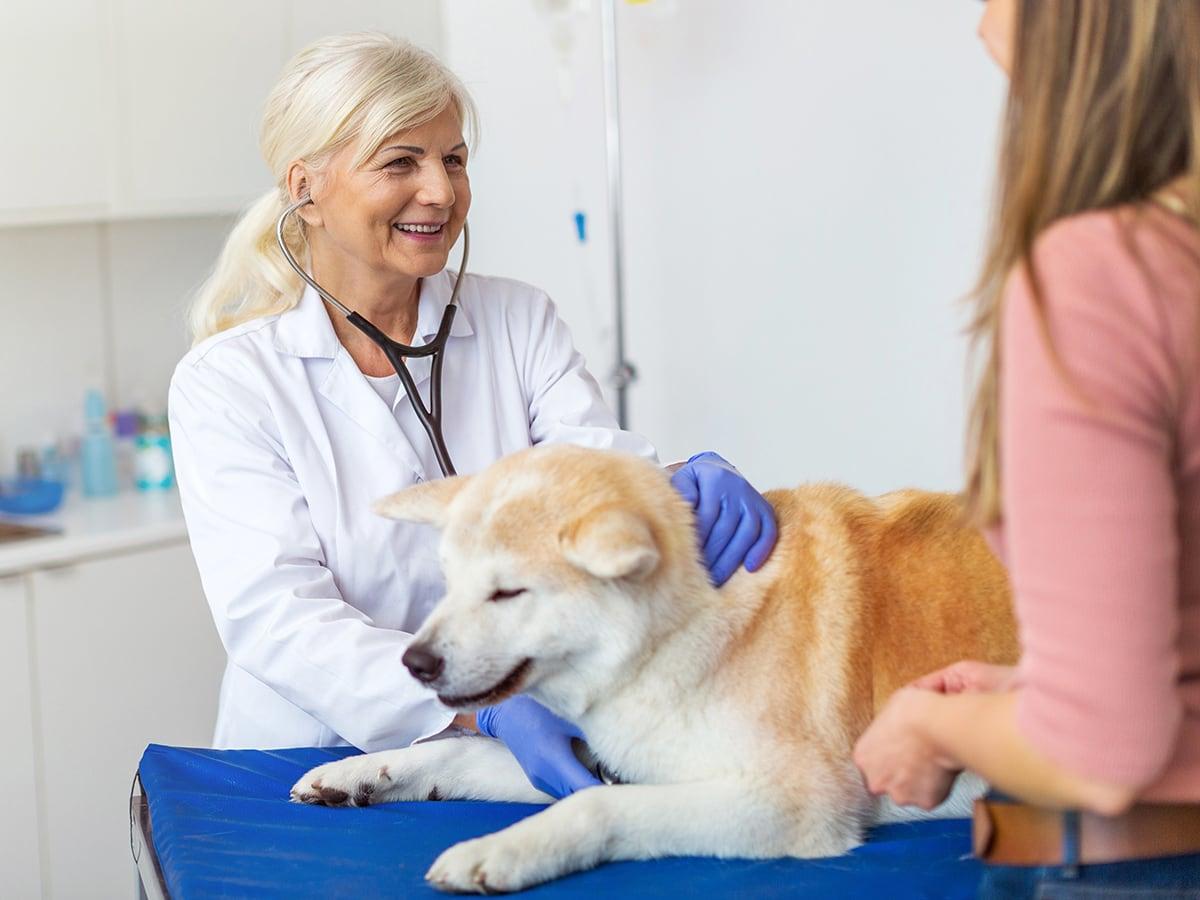
Laryngeal paralysis cannot be confirmed through physical examination alone. Definitive diagnosis requires directly observing the arytenoid cartilages under light sedation using a laryngoscope or endoscope. During inhalation, the veterinarian watches whether the cartilages open normally — in an affected dog, one or both cartilages fail to abduct.
The diagnostic workup typically also includes:
A full neurological examination to evaluate for signs of broader GOLPP involvement
Chest radiographs to assess for existing aspiration pneumonia
Blood work to evaluate overall health and anesthetic safety before any procedure
Treatment Options
Treatment decisions are based on the severity of symptoms and the dog’s overall health.
Conservative management: Dogs with mild symptoms may be managed without surgery. Approaches include anti-inflammatory medications to reduce airway swelling, sedatives for anxiety-driven breathing escalation, strict exercise restriction, and avoidance of heat and humidity. Weight management is also recommended — excess body weight increases the demand on an already limited airway.
Surgical treatment: According to the American College of Veterinary Surgeons (ACVS)³, definitive treatment for moderate to severe cases is arytenoid lateralization — commonly called the tie-back procedure. In this surgery, one arytenoid cartilage is permanently sutured in a partially open position, widening the airway passage and substantially reducing inspiratory obstruction.
Tie-back surgery significantly improves breathing, exercise tolerance, and quality of life for most dogs. The primary ongoing risk after surgery is aspiration pneumonia: because the cartilage is permanently held open, it can no longer fully close during swallowing, allowing food or liquid to occasionally enter the airways. ACVS reports that aspiration pneumonia develops in a meaningful proportion of dogs after surgery, though most cases respond well to antibiotic treatment when identified early. Feeding from a raised bowl and using moistened food can help reduce this risk.
Knowing when to seek emergency veterinary care is especially important for dogs with laryngeal paralysis — respiratory distress can escalate from manageable to critical in a short window, particularly during warm weather.
Prognosis and Long-Term Management
Most dogs experience a meaningful improvement in respiratory function following tie-back surgery and can live comfortably for years after the procedure. However, because GOLPP is a progressive disease, the underlying neurological decline may continue — eventually affecting swallowing, esophageal motility, or hindlimb strength over time.
Long-term monitoring after diagnosis or surgery includes watching for:
Signs of aspiration pneumonia: increased breathing rate, fever, reduced appetite, lethargy
Worsening hindlimb weakness or difficulty navigating stairs
Changes in swallowing — coughing or gagging after meals
Because laryngeal paralysis primarily affects senior dogs, understanding insurance coverage for older pets can help owners plan for the costs of ongoing diagnostics, specialist visits, and potential complications.
When to Seek Emergency Care
Seek emergency veterinary care immediately if your dog is:
Struggling visibly to breathe or breathing with an open mouth and a panicked expression
Showing blue, purple, or pale gray gums — a sign of dangerously reduced oxygen
Collapsed or unable to stand after breathing difficulty - Showing severe distress during warm or humid conditions
Laryngeal paralysis can escalate to life-threatening airway obstruction quickly. A dog in active respiratory distress should not wait for a scheduled appointment.
What pet insurance helps cover for laryngeal paralysis varies by plan, but broad accident and illness policies typically include diagnostic endoscopy, imaging, surgical procedures, and hospitalization for covered conditions.
The right pet insurance plan should help support your pet through both unexpected accidents and health needs. Understanding what’s included in your policy can help you choose coverage that fits your pet’s lifestyle.
Spot Pet Insurance offers accident and illness coverage to help reimburse eligible costs related to covered injuries, illnesses, diagnostics, and treatment. Pet parents can also add optional preventive care coverage for routine services like annual exams, dental cleanings, and certain vaccines. Learn more about what pet insurance covers.

We’re pet parents first—and writers, marketers, and product developers by trade—combining lived experience with industry expertise in everything we create.
Cornell University College of Veterinary Medicine. “Laryngeal Paralysis.” Riney Canine Health Center. https://www.vet.cornell.edu/departments-centers-and-institutes/riney-canine-health-center/canine-health-topics/laryngeal-paralysis
VCA Animal Hospitals. “Laryngeal Paralysis in Dogs.” https://vcahospitals.com/know-your-pet/laryngeal-paralysis-in-dogs
American College of Veterinary Surgeons (ACVS). “Laryngeal Paralysis.” https://www.acvs.org/small-animal/laryngeal-paralysis/