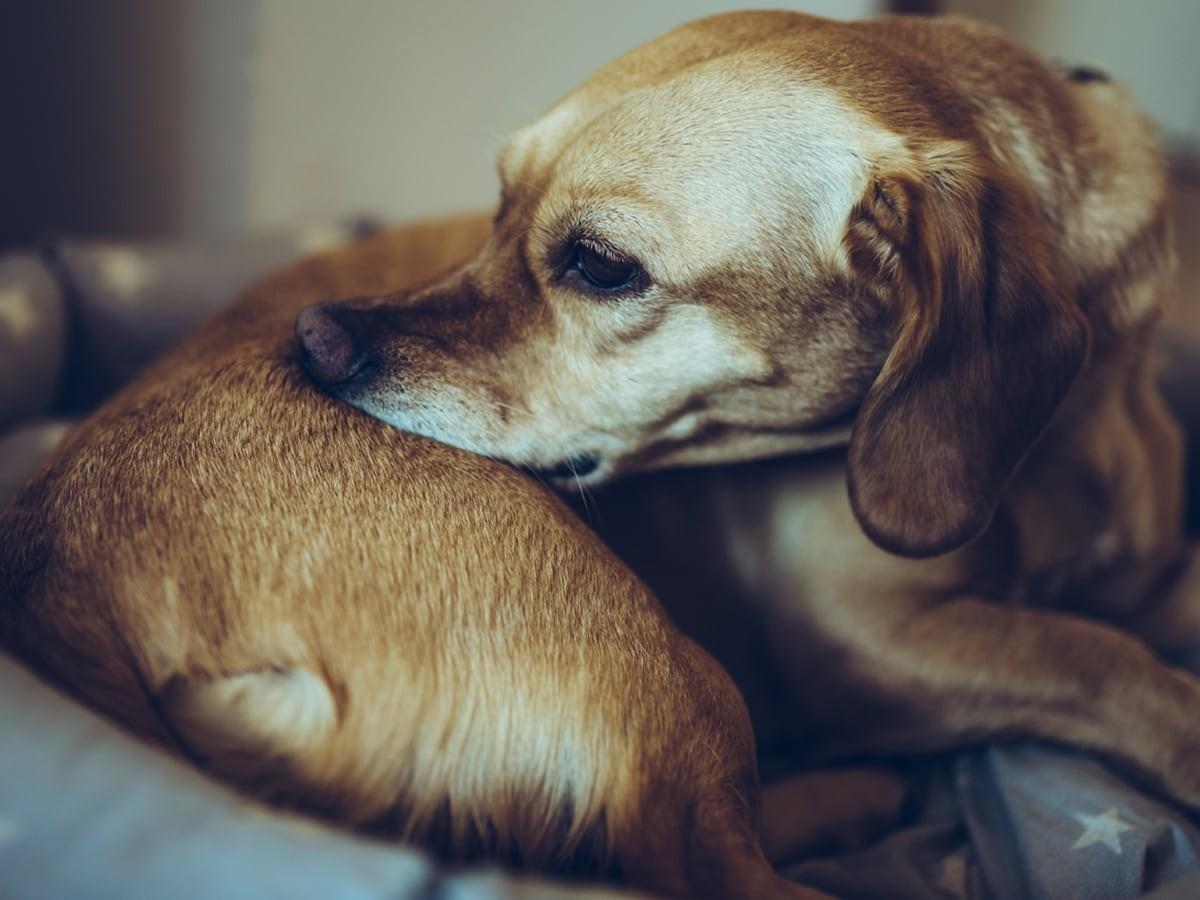
Pemphigus foliaceus is the most common autoimmune skin disease in dogs. The immune system produces antibodies that attack proteins responsible for holding skin cells together, causing the superficial skin layers to separate and form blisters that rupture into crusts. While the condition requires long-term management, most dogs respond well to treatment and maintain a good quality of life.
What Is Pemphigus Foliaceus?
The skin is held together by protein structures called desmosomes — junction points between skin cells that function like microscopic rivets. In pemphigus foliaceus, the immune system produces autoantibodies that target desmocollin-1, a specific protein within these junctions.
When desmosomes are disrupted, individual skin cells lose their attachments to neighboring cells — a process called acantholysis. The separated cells, called acantholytic keratinocytes, cluster together within the superficial skin layers, and the space they leave behind fills with fluid and inflammatory cells (primarily neutrophils), forming a pustule just beneath the skin’s surface.
According to VCA Animal Hospitals¹, the primary lesion in pemphigus foliaceus is a superficial pustule that quickly ruptures, leaving behind crusts, erosions, and areas of scaling.
Which Dogs Are Most Affected?
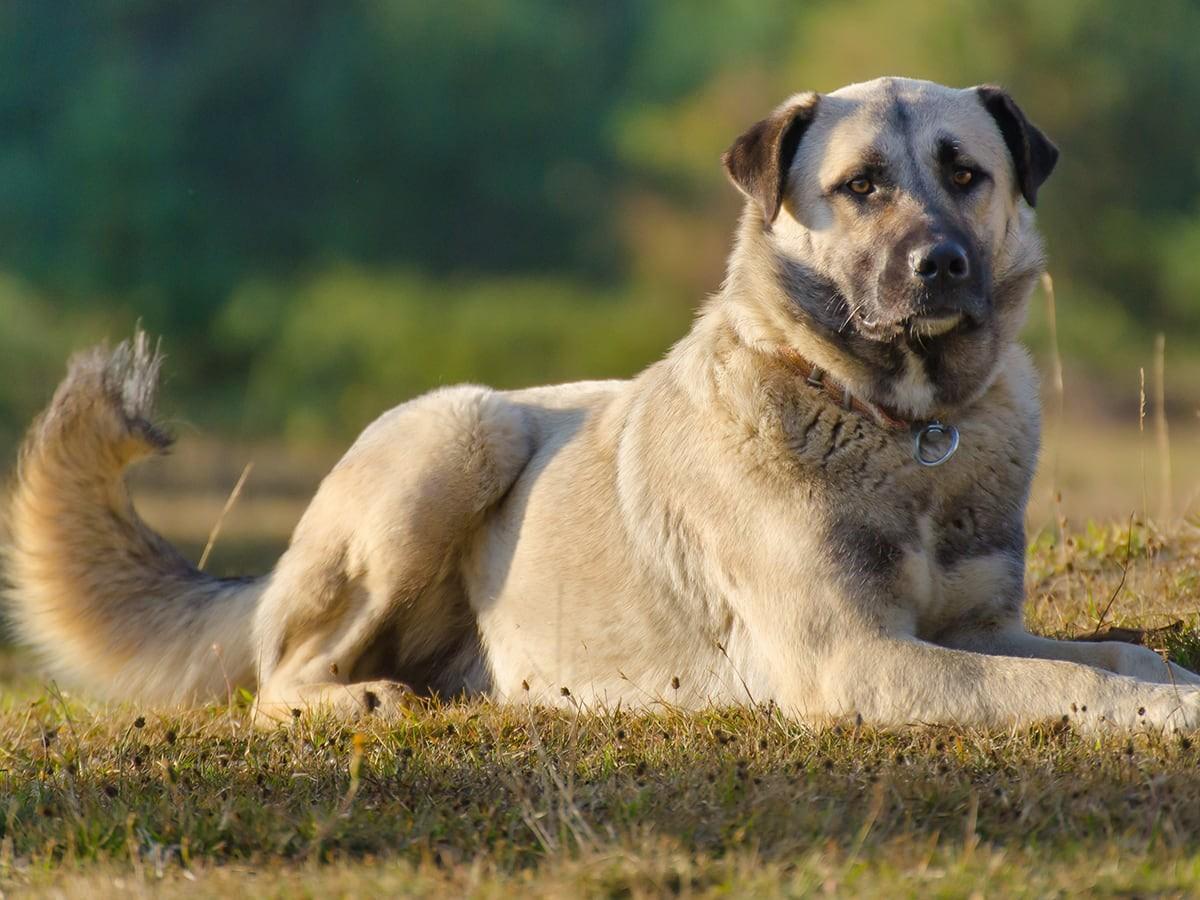
Pemphigus foliaceus most commonly affects middle-aged dogs, though any age can be affected. Certain breeds appear to be at significantly higher risk due to genetic predisposition. According to Today’s Veterinary Practice², breeds with documented increased risk include:
A drug-triggered form of pemphigus foliaceus also exists. Certain topical flea and tick products and, less commonly, systemic medications have been associated with triggering or worsening the condition in susceptible dogs. If a dog develops pemphigus shortly after starting a new medication, this history is important to share with the veterinarian.
Signs and Symptoms
The classic distribution of pemphigus foliaceus lesions helps distinguish it from other skin diseases:
Most commonly affected areas:
Dorsal muzzle (bridge of the nose)
Nasal planum (the smooth, hairless nose tip)
Pinnae (earflaps), particularly the inner surface
Periocular skin (around the eyes)
Paw pads — often the most striking finding, where pads become severely thickened, crusted, and painful
Less commonly affected areas: The groin, axillary region (armpits), and trunk in more generalized cases.
The typical sequence begins with pustules that rupture quickly — so by the time most owners notice symptoms, the primary lesions have already collapsed into crusts. Dogs may develop thick, adherent yellow-brown crusts, patchy hair loss, and flaking skin. In more widespread cases, systemic signs including fever, lethargy, and enlarged lymph nodes may appear.
Pemphigus foliaceus can look similar to bacterial skin infections (pyoderma), ringworm, or environmental allergies in dogs — making accurate diagnosis essential before starting immunosuppression, which would worsen an infectious cause.
Diagnosing Pemphigus Foliaceus
Cytology
An in-clinic first step is cytological examination of a fresh pustule — called a Tzanck preparation. The sample is collected from an unruptured pustule and stained for microscopic review. The hallmark finding is acantholytic keratinocytes — rounded, free-floating skin cells surrounded by neutrophils and occasionally eosinophils. A positive Tzanck preparation provides strong support for pemphigus foliaceus and guides immediate management while biopsy results are pending.
Skin Biopsy
Definitive diagnosis requires histopathology from a skin biopsy. Several important technique points apply:
Do not clean or scrub the lesions before biopsy. Removing the crust removes the diagnostic material.
Biopsy intact pustules or tightly adherent crusts whenever possible. Ruptured or secondarily infected lesions yield less reliable results.
Multiple samples improve diagnostic yield — collecting three to five specimens from different stages of lesion development is recommended.
General anesthesia or sedation is typically required, as biopsy sites on the face and paw pads are sensitive.
The classical histopathological finding — subcorneal pustules packed with acantholytic keratinocytes in the absence of bacteria or fungi — confirms the diagnosis and distinguishes pemphigus foliaceus from infectious skin conditions.
Treatment
Because pemphigus foliaceus is an autoimmune condition, treatment centers on suppressing the immune response driving the skin damage.
First-line: Corticosteroids Prednisone or prednisolone at immunosuppressive doses is the standard initial treatment. High doses are used to achieve rapid disease control, then tapered to the lowest effective maintenance dose over several months. Most dogs show noticeable improvement within four to eight weeks of starting therapy.
Second-line immunosuppressants When corticosteroids alone are insufficient, or when steroid side effects (excessive thirst, urination, weight gain, or increased infection susceptibility) are problematic, additional agents are added:
Azathioprine
Cyclosporine
Chlorambucil
Mycophenolate
Mild cases: Tetracycline and niacinamide For dogs with mild pemphigus foliaceus or as an adjunctive treatment, the combination of doxycycline (or tetracycline) and niacinamide provides anti-inflammatory effects with fewer systemic side effects than high-dose corticosteroids. This combination is not effective for moderate to severe disease.
Managing Secondary Infections
Secondary bacterial and fungal skin infections are extremely common in dogs with pemphigus foliaceus — both because damaged skin creates entry points for pathogens and because immunosuppressive treatment reduces the body’s ability to fight infection.
Signs of secondary infection include worsening odor, increased redness, discharge, or lesions spreading despite treatment. Systemic antibiotics (cephalexin, amoxicillin-clavulanate, or clindamycin) and antifungals (fluconazole or topical miconazole) are commonly prescribed alongside immunosuppression. Identifying and treating secondary infections is often as important as controlling the autoimmune component.
Lifestyle Adjustments
Limit sun exposure. Ultraviolet light worsens pemphigus foliaceus lesions, particularly on the nasal planum. Keeping affected dogs indoors during peak sun hours and using dog-safe sunscreen on vulnerable areas (especially the nose) can reduce flare frequency.
Paw pad care. Crusted, thickened paw pads can be softened with veterinarian-approved emollients and protected from abrasive surfaces during active disease flares.
Regular monitoring. Because treatment doses require ongoing adjustment, veterinary rechecks — including periodic blood work to monitor for immunosuppression side effects — are a consistent part of long-term management.
Prognosis
The overall prognosis for dogs with pemphigus foliaceus is fair to good. Most dogs achieve meaningful disease control within several months of starting treatment, and some achieve complete remission with medication tapering. A portion of dogs require lifelong low-dose maintenance therapy to remain in remission.
What pet insurance helps cover varies by plan, but broad accident and illness policies typically cover the diagnostics, specialist dermatology visits, skin biopsies, and prescription medications central to pemphigus foliaceus management.
The cost of pet care can add up quickly, especially during emergencies or for ongoing treatment. Choosing a plan with affordable monthly premiums and a simple reimbursement process can help reduce financial stress.
With Spot Pet Insurance, pet parents can access customizable plans designed to fit different budgets. Spot has paid back over $530 million in covered vet bills and offers quick claims processing, helping pet parents get reimbursed faster for eligible expenses. Learn more about what pet insurance covers.

We’re pet parents first—and writers, marketers, and product developers by trade—combining lived experience with industry expertise in everything we create.
VCA Animal Hospitals. “Pemphigus in Dogs.” https://vcahospitals.com/know-your-pet/pemphigus-in-dogs
Today’s Veterinary Practice. “Review of Pemphigus Foliaceus in Dogs and Cats.” https://todaysveterinarypractice.com/dermatology/review-of-pemphigus-foliaceus-in-dogs-and-cats/