Pet insurance for rescue dogs and cats works the same way it does for any other cat or dog — you pay a monthly (or annual) premium, file claims after vet visits, and get reimbursed for eligible costs — but there are two things to keep in mind for rescue pets. First, pre-existing condition exclusions may pose greater challenges when a pet’s prior medical history is unknown. Second, enrolling soon after adoption is a good idea in order to ensure you have any necessary paperwork handy that the provider may need. About 4.2 million dogs and cats were adopted from U.S. shelters and rescues in 2024,¹ and the questions in this guide come up for nearly all of them.
This guide covers how pre-existing rules apply to rescues, what coverage types may fit different adoption scenarios, and the timing decisions that can have big impacts on what may be covered.
Why Pet Insurance Timing Can Matter for Rescues
One quirk of pet insurance for rescue and adopted pets is unknown medical history. Most insurers exclude pre-existing conditions — anything diagnosed or showing symptoms before coverage begins is typically excluded for the life of that condition. For a rescue pet, the practical question is: “What was happening with this animal before I adopted them, and how does that affect future coverage?”
The standard answer: at the time of the first claim, the insurer will request all available veterinary records dating from before the policy started, which may include any other shelter or rescue intake records. That means symptoms documented at the shelter — limping, ear infection, dental disease, skin issues — are usually treated as pre-existing, even if the new owner was unaware. Many conditions are considered curable rather than chronic, and once they have been resolved, the policy may cover future unrelated incidents after a specific set of time has passed with no symptoms of the condition present. For more on curable pre-existing conditions, see what pet insurance covers.
The implication for timing: enroll as close to the adoption date as possible. Every day of delay risks a new symptom emerging in the household that the policy could later treat as pre-existing.
Pre-Existing Conditions and Unknown Medical History
When you adopt a rescue, the shelter or rescue group typically provides whatever veterinary records they have — vaccination dates, spay/neuter surgery, intake exam findings, any treatment delivered while the pet was in their care. That packet becomes part of the insurer’s record review.
A few patterns are useful to know:
Curable vs. chronic. Many insurers distinguish between curable conditions (an ear infection, an upper respiratory infection, a skin yeast issue) and chronic conditions (diabetes, arthritis, allergies). A curable pre-existing condition that has been resolved and stays symptom-free for a defined period — often between 180-365 days— may become eligible for coverage in the future. A chronic condition typically remains excluded.
Bilateral conditions. If a rescue has, for example, a documented cruciate tear in one knee before enrollment, many policies will treat the other knee as pre-existing as well, on the assumption that the condition is bilateral. Worth confirming in the policy itself.
First-claim record review. The insurer’s first review into prior records usually happens with the first claim, not at enrollment. That’s why surprises can sometimes emerge months in. Reading the policy’s pre-existing condition definition carefully at enrollment can help avoid surprises.
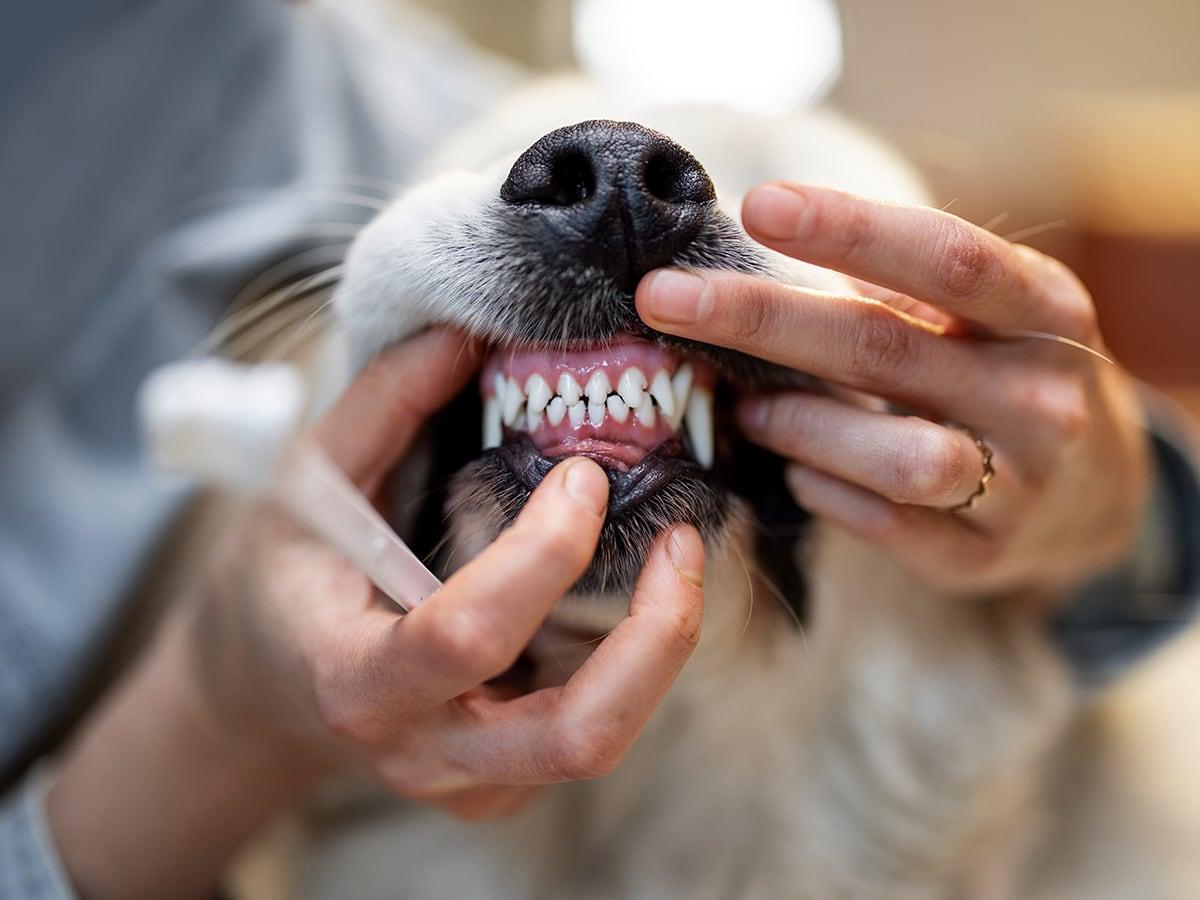
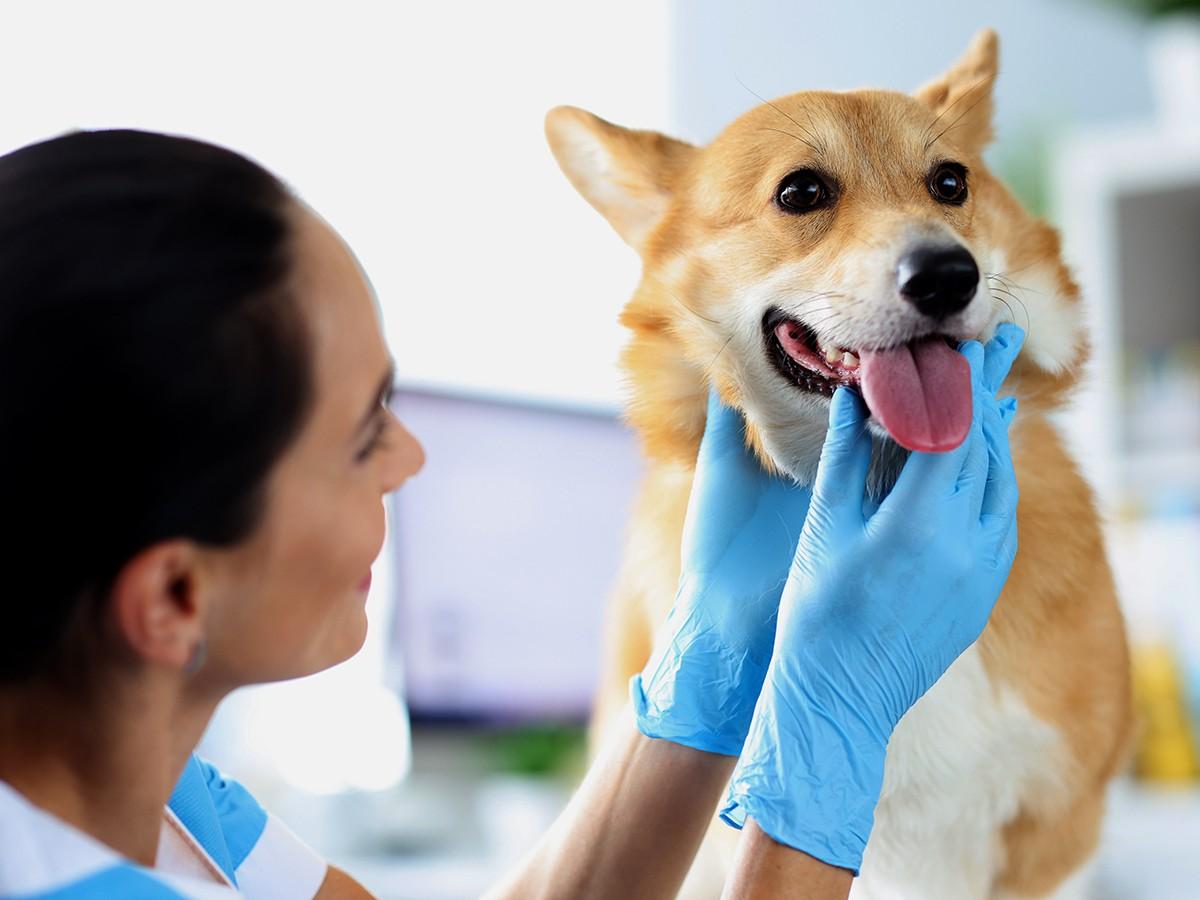
A first-week veterinary exam can help both the pet and the paperwork. The American Veterinary Medical Association² and the AAHA recommend a thorough preventive-care exam for newly acquired dogs (and similar guidance applies for cats) — that exam can establishe a clean baseline and helps document what is and isn’t already going on, which is exactly the type of documentation the insurer may want to review later.
Coverage Types for Rescue Pets
Pet insurers generally offer three structures, each with a different fit for rescue scenarios.
Accident-only plans cover unexpected injuries — fractures, lacerations, foreign-body ingestion, hit-by-car incidents — but not illnesses. They are usually the lowest-premium option. The trade-off is that the highest-cost categories for many rescues (chronic illness, allergies, cancer) aren’t covered.
Accident & illness plans includes coverage for unexpected accidents and illnesses which can include cancer, diabetes, infections, allergies, chronic conditions, and are the most common plan type.3 For rescues, this may be a better fit, with the caveat that pre-existing conditions are still not covered.
Preventive/wellness add-ons help cover the eligible costs of routine wellness services — annual exams, dental cleanings, vaccines, parasite prevention — and are sold as an add-on. For a rescue still working through that first round of catch-up vaccinations, dewormings, and dental work, a wellness add-on can help offset some of the early routine wellness bills.
A guide to the biggest benefits of pet insurance walks through how these layers stack up for new pet parents.
How Reimbursement Works
Pet insurance typically works on a reimbursement model: you pay the veterinary bill at the clinic, then file a claim and receive a reimbursement for the eligible portion. Insurance does not pay the vet directly in most cases.
The reimbursement formula is: (Eligible vet bill − Annual deductible) × Reimbursement rate = Reimbursement amount
For example, on a covered emergency surgery where the annual deductible has not yet been met, and the reimbursement rate is 80%, you subtract the deductible from the eligible vet bill, then multiply by 0.80 to get the reimbursement amount. Future eligible claims that same policy term would not require the deductible again, as long as the full deductible was already satisfied.
What to Look for in a Plan for an Adopted Pet
These five areas are important to consider when choosing a pet insurance plan for a rescue dog or cat:
Pre-existing condition definition. Read it. A more permissive definition (e.g., one that allows curable conditions to become eligible after a symptom-free period) may be more valuable long-term.
Waiting periods. Shorter, transparent waiting periods get coverage active sooner after enrollment.
Coverage scope. Confirm hereditary, congenital, dental, and chronic-condition coverage are included.
Reimbursement rate, deductible, and annual limit. Same levers as any other pet, sized to your budget and your pet’s risk profile.
Vet network flexibility. Plans that let you visit any licensed vet avoid network limits, and can be useful when a rescue’s first specialist visit happens unexpectedly.
If the rescue pet is young, also weigh the best age to insure your pet — early enrollment helps ensure coverage before any latent breed-linked condition develops.
When to Enroll a Rescue Pet
We think the best time to enroll is within the first week of bringing the pet home, ideally on the same day as the first veterinary exam. Two reasons drive that:
Minimum gap for pre-existing surprises. Every day between adoption and enrollment is a day a new symptom can emerge that the insurer will later treat as pre-existing.
Coverage active before predictable risks. Many breed-linked or age-linked conditions emerge later; pet insurance only covers them if they begin after coverage starts and any applicable waiting period.
If your rescue is older, coverage can still be worthwhile for unrelated future conditions — anything not yet diagnosed is insurable in most cases. See why pet insurance for senior pets is wise to read more.
Average Costs to Expect
Pet insurance costs for a rescue match the rest of the market — there is no generic surcharge for adopted pets, and many insurers offer the same rates regardless of where the pet came from. Nationally, pet parents currently pay average annual accident and illness premiums of $749.29 for dogs (about $62.44/month) and $386.47 for cats (about $32.21/month), according to the North American Pet Health Insurance Association (NAPHIA) 2025 State of the Industry Report.³
Actual quotes for any individual rescue depend on species, breed (where known), age at enrollment, ZIP code, reimbursement rate, deductible, and annual limit. Cost-conscious pet parents can help lower the premium by raising the deductible, choosing 70% reimbursement instead of 90%, or selecting an accident-only plan.
Every pet’s needs are different, which is why flexibility matters when choosing coverage. Whether you have a playful puppy, a senior cat, or multiple pets at home, pet insurance can help you feel more prepared for the unexpected.
Spot Pet Insurance covers pets starting at 8 weeks old with no upper age limit and offers plans in all 50 states, helping make coverage more accessible for pet families. Enroll your pet today.

We’re pet parents first—and writers, marketers, and product developers by trade—combining lived experience with industry expertise in everything we create.
Shelter Animals Count. “SAC Releases 2024 Year-End Report.” Shelter Animals Count, 2025. https://www.shelteranimalscount.org/sac-releases-2024-year-end-report/
American Veterinary Medical Association. “AAHA-AVMA Canine Preventive Healthcare Guidelines.” AVMA. https://www.avma.org/resources/pet-owners/petcare/preventive-pet-healthcare
North American Pet Health Insurance Association. “State of the Industry Report 2025.” NAPHIA, 2025. https://naphia.org/news/naphia-news/soi-report-2025/