Arthritis — specifically osteoarthritis — is one of the most common health conditions dogs face. According to VCA Animal Hospitals¹, at least 20% of dogs over one year old are affected, and the rate climbs to about 80% in dogs over eight years old. It can't be cured, but with the right combination of treatments, most dogs remain comfortable and active for years. Here's what pet parents need to know.
What Is Arthritis in Dogs?
Arthritis in dogs is the same process at work in human osteoarthritis: joint cartilage breaks down over time, reducing the joint's ability to absorb impact and move smoothly. As Cornell University's Riney Canine Health Center² explains, joint fluid decreases and cartilage thins, leaving bones with less cushioning and causing inflammation, pain, and stiffness.
The condition is chronic and progressive — it doesn't resolve on its own, and it tends to worsen gradually over time without management.
What Are the Signs of Arthritis in Dogs?
Early arthritis is easy to miss because dogs instinctively conceal discomfort. Signs to watch for include:
Stiffness after rest — difficulty getting up from lying down, especially in the morning or after naps
Reluctance to jump or climb — hesitating to get in the car, use stairs, or jump onto furniture they used to manage easily
Changes in gait — slight limping, or favoring one leg over another
Reduced activity — less interest in play, shorter walks, lagging behind on outings
Muscle loss — particularly around the hips and hind limbs, from reduced use
Behavioral changes — irritability, sensitivity to touch around joints, or unusual aggression when petted in sore areas¹
If you're noticing any of these in your dog, a veterinary exam is the right next step.
What Causes Arthritis in Dogs?
Osteoarthritis develops when joints experience more wear than they can repair. Contributing factors include:
Abnormal joint development — conditions like hip dysplasia or elbow dysplasia cause improper joint mechanics that accelerate cartilage breakdown
Previous injuries — ligament tears, fractures, or dislocations that alter joint alignment
Obesity — excess weight increases mechanical stress on joints and promotes systemic inflammation
High-impact activities — repetitive stress from working or athletic activities over many years
Genetics and breed — large and giant breeds are at higher risk due to body size and joint loading¹
Importantly, aging alone doesn't cause arthritis. Dogs that stay lean and active often maintain healthier joints well into old age.
How Is Arthritis Diagnosed?
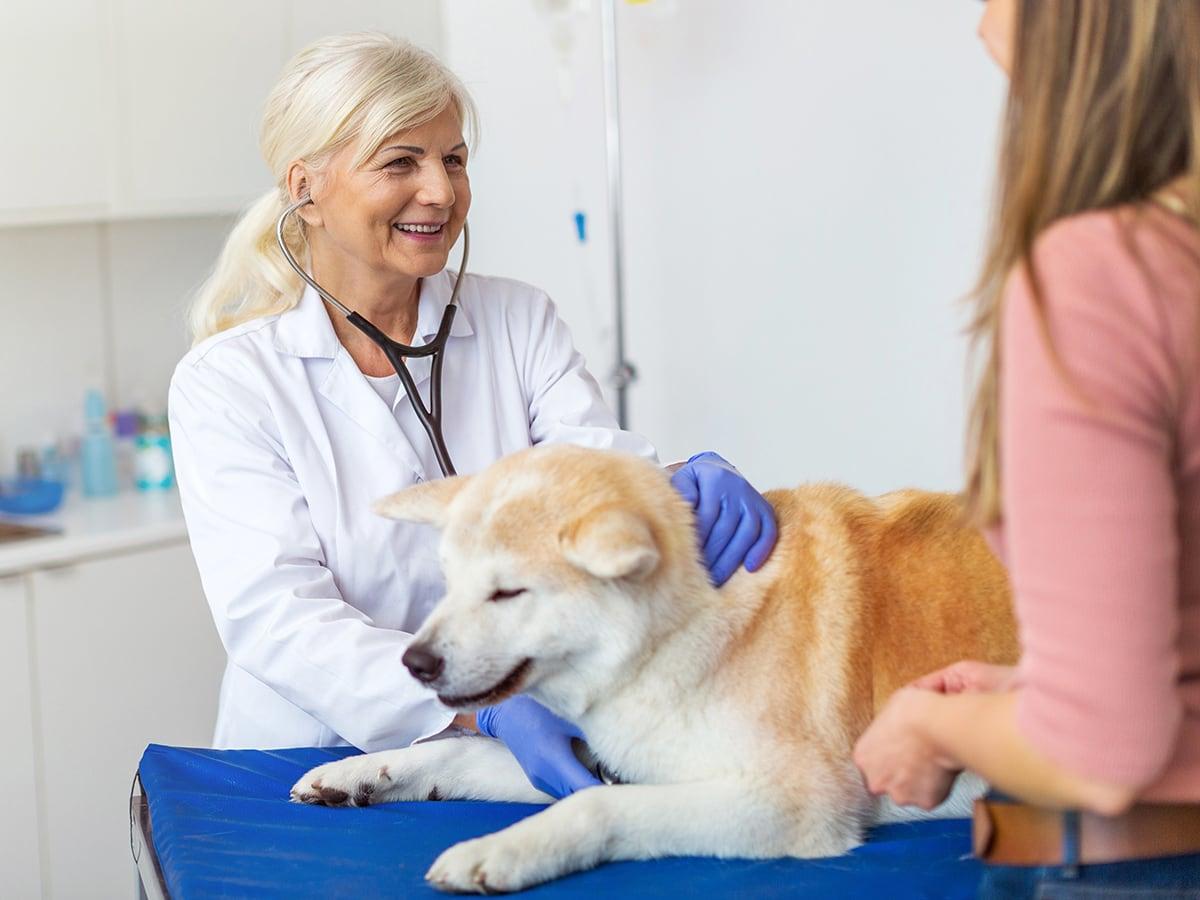
A veterinarian will typically perform a physical examination, assess joint range of motion, and look for signs of pain, swelling, or muscle loss. Imaging — X-rays in particular — helps confirm the diagnosis and grade the severity by showing cartilage thinning and bone changes around the joint.
Bloodwork may also be run to rule out other causes of joint pain or swelling (such as immune-mediated arthritis or Lyme disease) and to establish a baseline before starting long-term medications. For a sense of what a diagnostic workup typically involves, see how much does a vet checkup cost.
How Is Arthritis in Dogs Treated?
Treatment for dog arthritis is multimodal — meaning the best outcomes come from combining several approaches rather than relying on a single medication.
NSAIDs (non-steroidal anti-inflammatory drugs) are typically the first-line medical treatment. They reduce joint inflammation and pain and are generally well-tolerated with monitoring. Dogs on long-term NSAIDs typically have periodic bloodwork to check kidney and liver function.¹
Newer injectable therapies — including bedinvetmab (Librela), a monthly injection that targets nerve growth factor — offer an additional option for pain management, especially for dogs that don't respond fully to NSAIDs or can't take them long-term.¹
Weight management is one of the most effective and underutilized treatments. Every pound of excess weight adds disproportionate stress to joints. For overweight dogs, even modest weight loss can meaningfully reduce pain and improve mobility.²
Physical therapy and rehabilitation — including underwater treadmill therapy, range-of-motion exercises, and massage — help maintain muscle mass, improve flexibility, and reduce joint loading. Many veterinary rehabilitation centers offer structured programs.²
Joint supplements — glucosamine, chondroitin, and omega-3 fatty acids — may provide modest benefit for some dogs, particularly earlier in the disease. Results vary, but they're generally safe and worth discussing with your veterinarian.
Surgery is reserved for underlying structural problems — correcting joint alignment from hip or elbow dysplasia, or replacing severely affected joints in eligible candidates.¹
Dog Arthritis Pain Relief at Home
Between veterinary visits, consistent home management helps keep arthritic dogs comfortable:
Soft, supportive bedding — orthopedic foam beds take pressure off sore joints and make it easier to get up
Ramps or steps — for dogs who still want to access the couch or car, ramps reduce impact compared to jumping
Low-impact exercise — short, consistent walks are better than occasional long outings; swimming is ideal
Warm, dry environments — cold and dampness can worsen joint stiffness
Non-slip surfaces — rugs on slippery floors help dogs move with more confidence and less strain
Regular home observation matters too. Tracking your dog's good days and bad days helps your veterinarian adjust the treatment plan.
Frequently Asked Questions
What is the best treatment for arthritis in dogs?
There's no single best treatment — the most effective approach is multimodal. A combination of NSAIDs, weight management, and physical therapy forms the foundation for most dogs. Newer injectables like Librela can provide additional relief. Your veterinarian will build a plan based on your dog's age, severity, and overall health. What works well for one dog may be less effective for another.
Can arthritis in dogs be cured?
No — osteoarthritis is a progressive condition with no cure. The goal of treatment is to slow progression, manage pain, and preserve quality of life. With appropriate management, many dogs remain comfortable and active for years after diagnosis. Early detection generally leads to better long-term outcomes because treatment can slow joint deterioration before it becomes severe.
What helps with joint pain in dogs at home?
Practical home steps include orthopedic bedding, ramps instead of stairs for sore joints, consistent low-impact exercise like short daily walks, and maintaining a lean body weight. Joint supplements (glucosamine and omega-3s) may also help when used alongside veterinary treatment. None of these replace prescription pain management, but they can meaningfully improve day-to-day comfort between vet visits.
Does pet insurance cover arthritis in dogs?
Accident and illness pet insurance plans generally cover arthritis treatment — including diagnostics, medications, and related veterinary care — as long as the condition is not pre-existing at enrollment. Because arthritis develops gradually, getting coverage in place before symptoms appear is important. Once diagnosed, it typically becomes a pre-existing exclusion on any new policy. See pre-existing conditions and pet insurance for more on how this works.
Unexpected vet bills can happen when you least expect them, but pet insurance may help make those costs more manageable. Having coverage in place can help pet parents feel more prepared for emergency care, surgery, diagnostics, and treatment for covered conditions.
Spot Pet Insurance offers dog insurance plans starting at $15/month^ and cat insurance plans starting at $9/month,^^ helping to make it easier to find coverage that fits your budget. Spot also makes filing claims simple with a digital claims process that lets pet parents submit a claim in 60 seconds or less. Get a free quote.
^ Advertised premium is based on an accident and illness plan with an 80% reimbursement rate, $500 annual deductible, and a $2,500 annual limit for a 2-year-old small mixed dog (11-25lbs) in 32009. Plan costs vary.
^^ Advertised premium is based on an accident and illness plan with an 80% reimbursement rate, $750 annual deductible, and a $2,500 annual limit for a 2-year-old mixed cat in 33801. Plan costs vary.

We’re pet parents first—and writers, marketers, and product developers by trade—combining lived experience with industry expertise in everything we create.
VCA Animal Hospitals. "Arthritis in Dogs." VCA Animal Hospitals. https://vcahospitals.com/know-your-pet/arthritis-in-dogs
Cornell University College of Veterinary Medicine. "Osteoarthritis." Riney Canine Health Center. https://www.vet.cornell.edu/departments-centers-and-institutes/riney-canine-health-center/canine-health-information/osteoarthritis